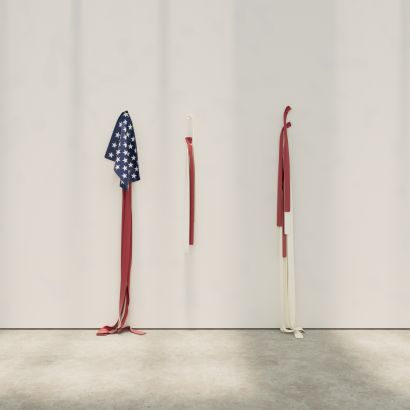
ITAL'opera, intitolata “ReWind”, si presenta come una sottile, ma potente, decostruzione del simbolismo nazionale. La bandiera, consuetudine che rappresenta unità... Read More
ITA
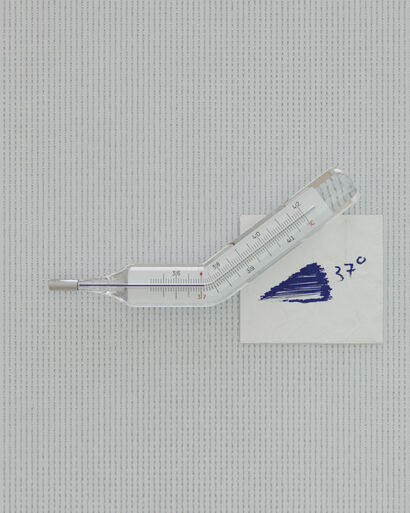
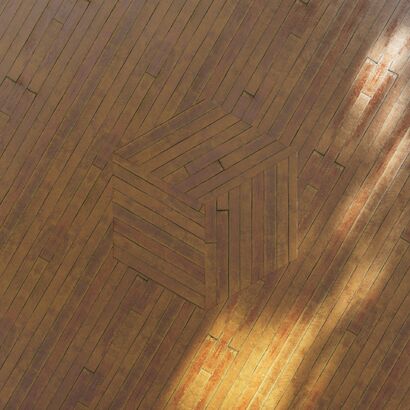
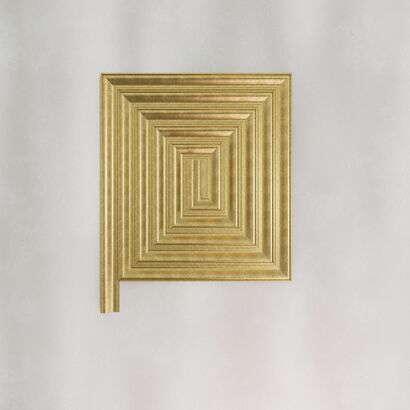
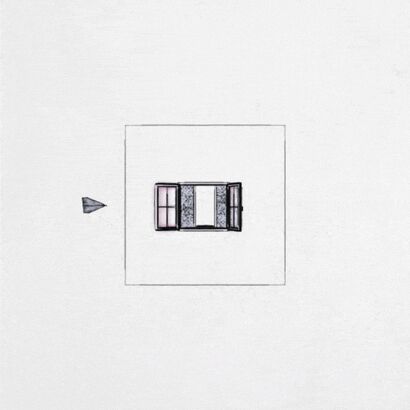
L'opera, intitolata “ReWind”, si presenta come una sottile, ma potente, decostruzione del simbolismo nazionale. La bandiera, consuetudine che rappresenta unità e identità, viene qui smembrata: la Stella di David, emblema di un'eredità inossidabile, si frammenta. I due triangoli, separati dalla loro sovrapposizione armonica, si affiancano per tracciare un'icona di "rewind".
Questo gesto visivo è una preghiera per il tempo, un'aspirazione a riavvolgere la storia, a far sì che le vicende belliche svaniscano come un soffio. La bandiera, non più stendardo di potere, diventa il vessillo di un'assenza, di un desiderio di tornare a un passato non corrotto dal conflitto. “ReWind” non è solo un titolo, ma la chiave di lettura di un'opera che, nella sua essenza, è un sospiro: il desiderio che il vento della storia possa soffiare all'indietro, per ritrovare la pace prima che il turbine della guerra si scateni.
—
ENG
The work, titled “ReWind”, presents itself as a subtle yet powerful deconstruction of national symbolism. The flag, a traditional symbol representing unity and identity, is here dismembered: the Star of David, emblem of an enduring legacy, is fragmented. The two triangles, separated by their harmonious overlap, come together to trace a “rewind” icon.
This visual gesture is a prayer for time, an aspiration to rewind history, to allow the events of war to vanish like a breath. The flag, no longer a banner of power, becomes the banner of an absence, of a desire to return to a past uncorrupted by conflict. “ReWind” is not just a title, but the key to understanding a work that, in its essence, is a sigh: the desire for the winds of history to blow backward, to find peace before the whirlwind of war is unleashed.