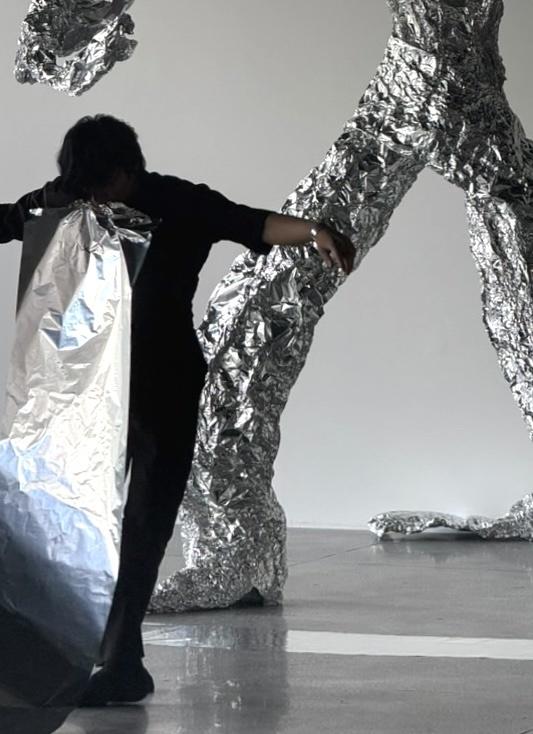
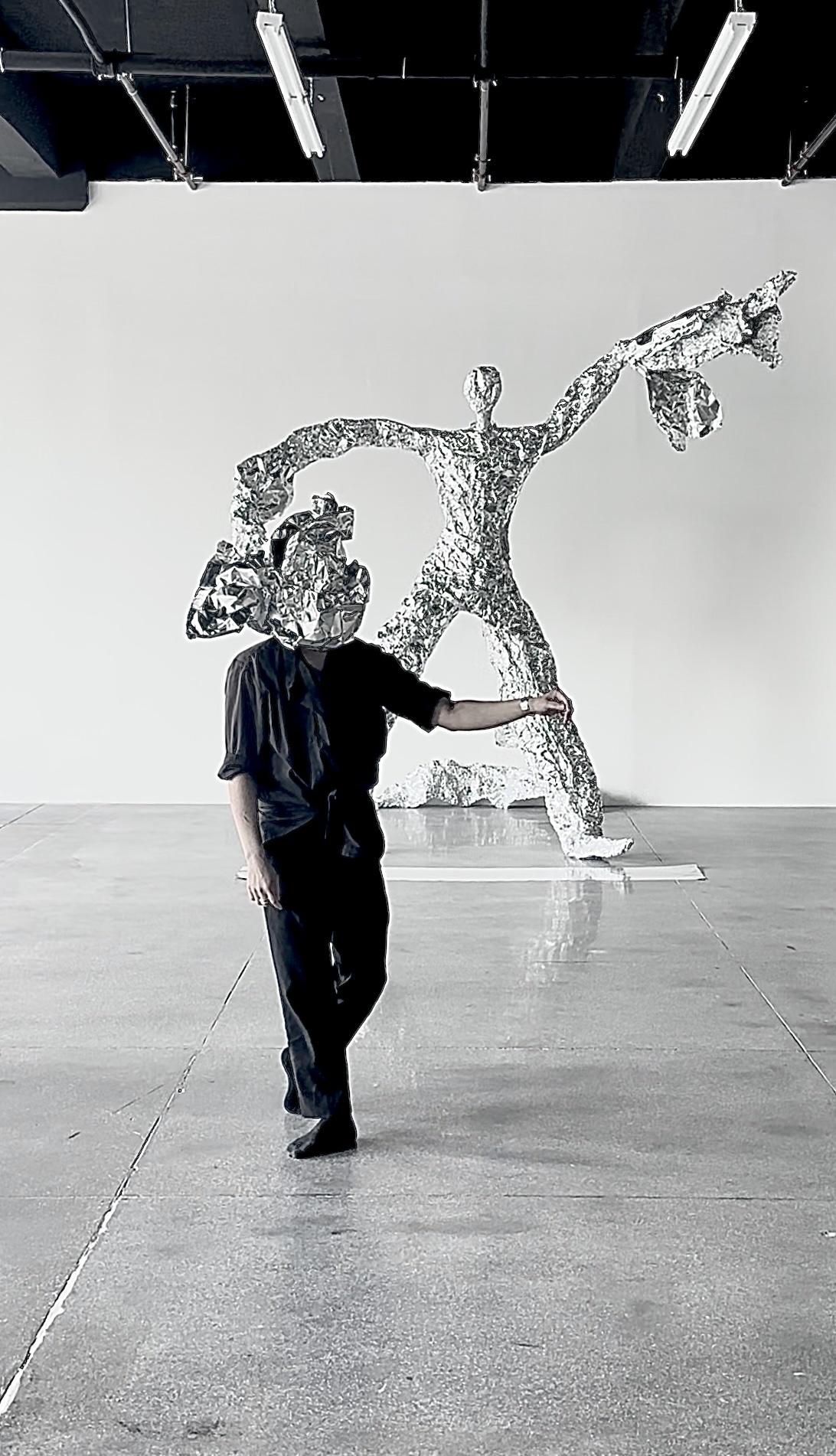
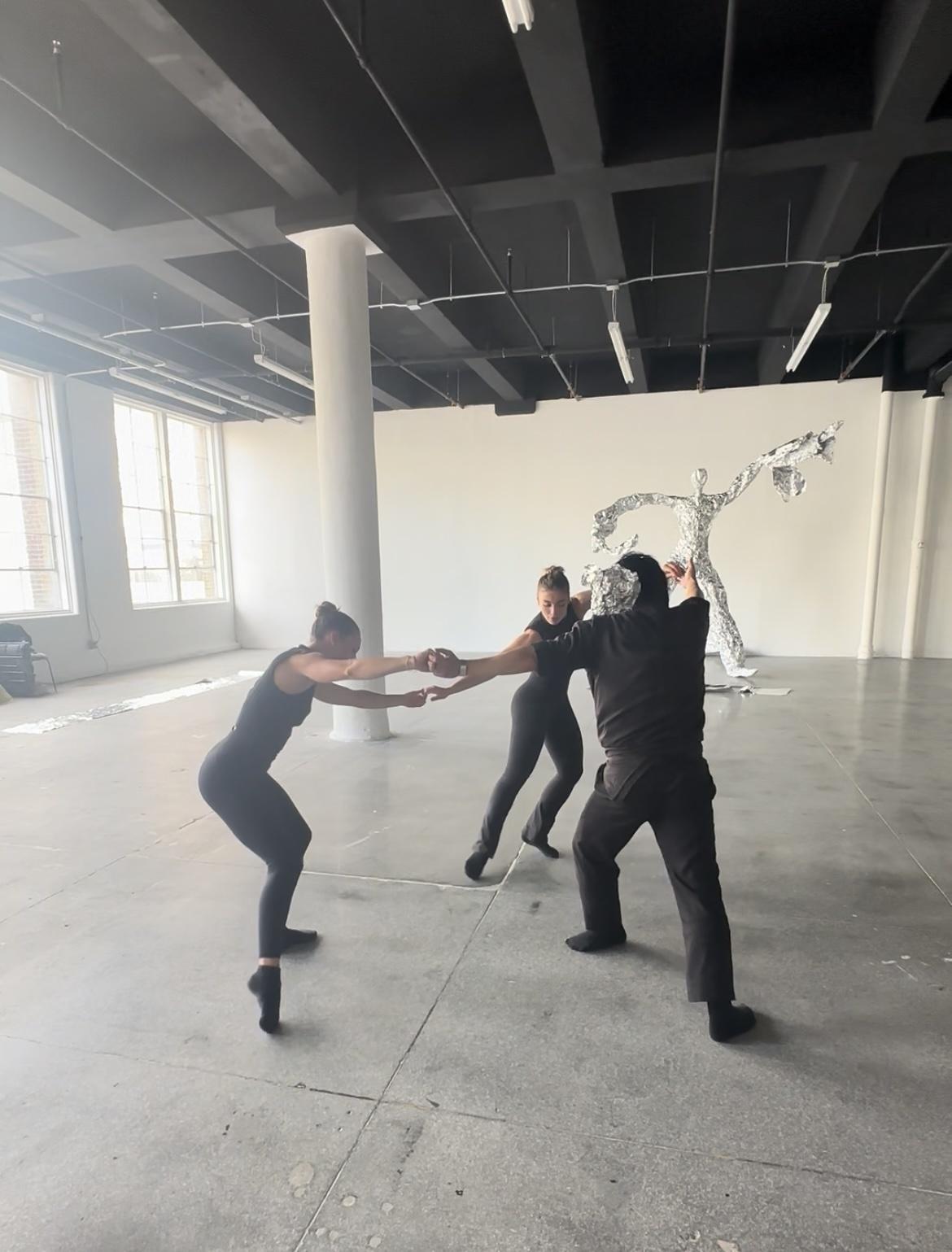
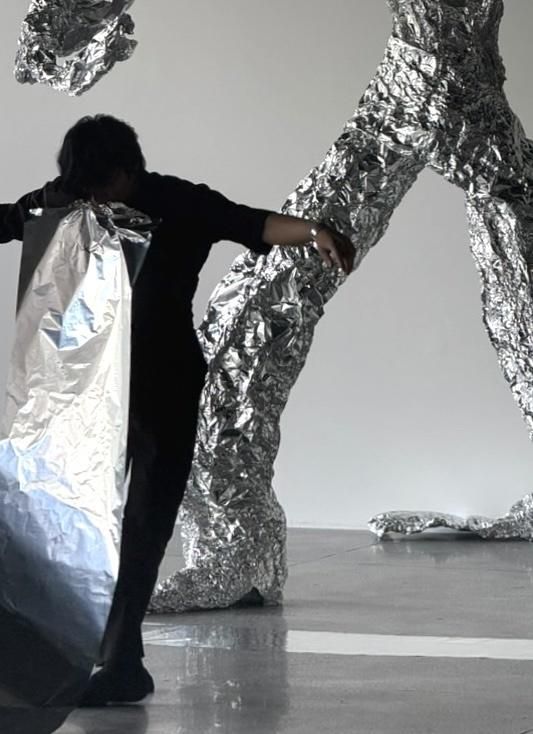
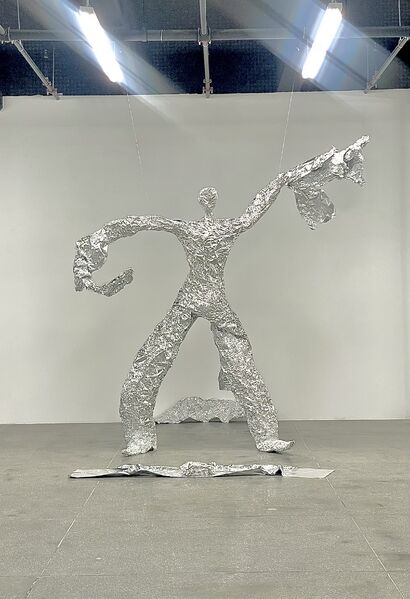
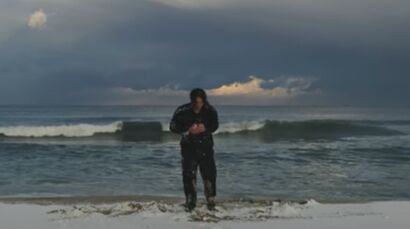
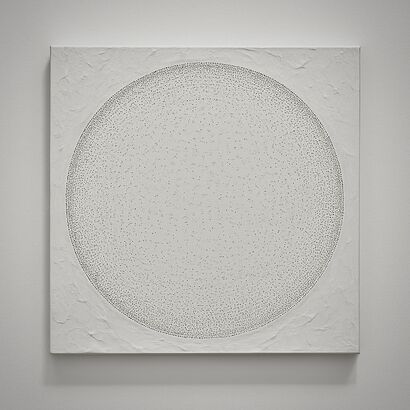
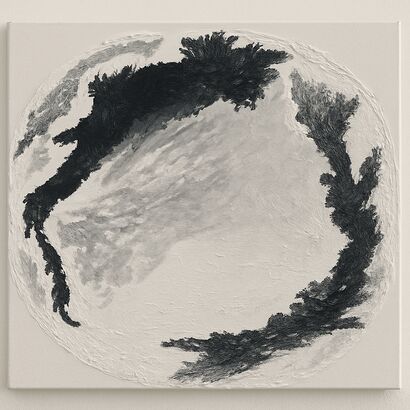
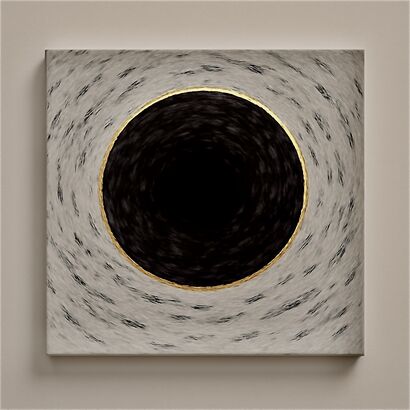
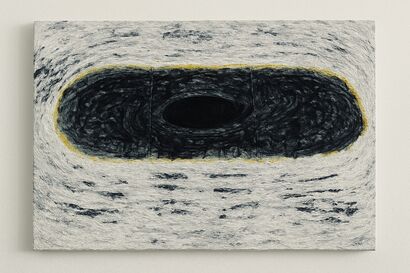
Momburim in Korean refers to an act of expressing emotions that cannot be fully conveyed through words or writing—an instinctive eruption of repressed feelings through the body, articulated as the body’s most honest language. Momburim 2025 is a minimalist performance reinterpreted through the inspiration of three traditional Korean rituals—Gut, Sumbisori, and Ganggangsullae—and envisioned as a contemporary ritual. The work unfolds as a response to the contradictions of our time, embodying the human struggle to breathe, to connect, and to survive.
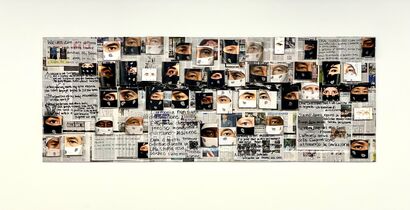
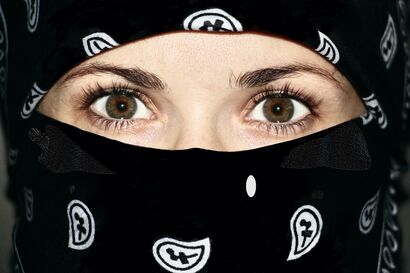
This performance originates from the long-term project Eyesea, which began during the COVID-19 pandemic in 2020. At that time, Natanal photographed eyes—the only visible part of the face hidden behind masks—and conducted interviews to capture the stories they carried. Although our faces were obscured, we remained profoundly connected through our gazes. That silent bond resembled the ocean: vast, invisible, and deeply shared. These archives became the foundation for the layered visual and performative language of Momburim.
Concept: In Momburim 2025, the ocean is not merely a metaphor but a spatial and emotional framework in which past, present, and future coexist. By merging the depth of traditional ceremony with contemporary urgency, the work envisions an embodied ritual of collective transformation. Through choreography, sound, and visual installation, the performance proposes an experience where the body’s convulsion—its momburim—becomes language beyond words.
Meaning: The work explores how memory, physicality, and emotion shape collective identity and resilience. Love, social structures, and cultural identity emerge not as abstractions but as lived realities. Momburim 2025 transforms rituals of survival into a shared space of memory and hope, functioning as a vessel that testifies to hidden faces and revealed bodies, to records that vanish and resonances that remain.
Recent iterations of Momburim 2025 have expanded into immersive performance, site-specific installation, and video-based choreography, flowing beyond the stage into interdisciplinary expression. By weaving together personal experience and collective memory, the work reimagines how art engages with humanity in fractured and oppressive societies, and how it opens new possibilities for connection across time, nature, and human existence.