SCHEDA TECNICA E PRESENTAZIONE DEL PROGETTO
LA POLCUSENCUSTA
Commedia mediterranea dell’assurdo relazionaleTesto, concezione scenica e direzione artistica : Khider Ben si said
1. PRESENTAZIONE DELL’OPERA
La Polcusencusta è una commedia teatrale mediterranea, poetica e burlesca, costruita intorno a un’idea semplice e profondamente teatrale: una lingua non si impara soltanto correggendola, ma attraversandola, mangiandola, sbagliandola, ascoltandola.
In un Centro Culturale Italiano apparentemente ordinato, uno studente straniero lotta contro la grammatica, le preposizioni, gli articoli e la severità pedagogica. Studia troppo, dorme poco, mangia quasi nulla. Divora libri, ma non riesce ancora ad abitare veramente la lingua.
Attorno a lui si muove un piccolo mondo comico e umano: una professoressa implacabile, una bibliotecaria ironica, una vice direttrice visionaria, un direttore prigioniero dell’ordine amministrativo, funzionari, ispettori, medici, autisti e ambasciatori più o meno smarriti davanti all’imprevisto.
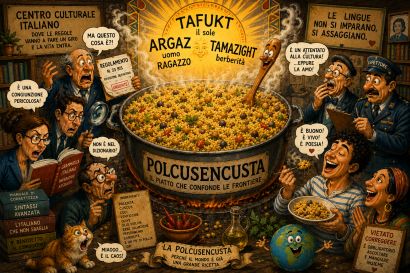
Tutto cambia quando nasce un piatto impossibile: la Polcusencusta, invenzione gastronomica e linguistica nata dall’incontro tra polenta italiana e cuscus nordafricano.
Da quel momento, il Centro comincia a trasformarsi.
Le regole perdono rigidità.
I libri cambiano odore.
La grammatica diventa relazione.
La cucina diventa pensiero.
L’istituzione comincia a respirare.
Quello che sembrava un semplice esperimento culinario diventa una contaminazione poetica, culturale e umana.
La Polcusencusta non è più soltanto un piatto. È una domanda viva:
che cosa accade quando smettiamo di correggere e iniziamo finalmente ad ascoltare?
2. NATURA DEL PROGETTO
Opera teatrale comica, mediterranea e transdisciplinare.
Il progetto unisce:
scrittura teatrale;comicità dell’assurdo;satira istituzionale;oralità mediterranea;cucina come gesto scenico;riflessione sulla lingua;contaminazione culturale;memoria gastronomica e popolare.
3. GENERI
Commedia contemporaneaTeatro mediterraneoTeatro dell’assurdoSatira culturaleTeatro linguisticoTeatro gastronomico-poeticoDrammaturgia della relazione
4. LINGUA DELL’OPERA
Italiano.
L’opera è concepita e scritta in italiano, con una forte impronta mediterranea e con aperture simboliche verso altre lingue, memorie e culture.
Gli errori, le deformazioni linguistiche e gli slittamenti semantici fanno parte della materia comica e poetica della pièce.
5. ANNO DI CREAZIONE E RIELABORAZIONE
Rielaborazione integrale: 2025–2026
6. PERSONAGGI PRINCIPALI
Lo Studente : Figura centrale dell’opera. Cerca di imparare l’italiano, ma finisce per scoprire che una lingua non è un muro grammaticale: è un mondo da attraversare.
La Professoressa Maria Incarnazione della correzione rigorosa, della norma e della severità linguistica.
La Bibliotecaria : Figura ironica e sensibile. Comprende prima degli altri che il sapere, se resta chiuso nei libri, può diventare sterile.
La Vice Direttrice : ersonaggio visionario e pragmatico. È lei a intuire che la cucina può diventare una grammatica alternativa.
Il Direttore : Uomo dell’ordine, dei registri e della paura amministrativa. Attraversa progressivamente una crisi comica e umana.
Il Medico : Osservatore pseudo-scientifico dell’assurdo. Diagnostica la trasformazione come se fosse un fenomeno clinico.
Gli Ispettori : Figure della normalizzazione istituzionale. Tentano di misurare ciò che, per sua natura, sfugge alla misura.
L’Autista, l’Ambasciatore, il Segretario e le presenze del Centro Completano il microcosmo burlesco dell’opera, trasformando il Centro Culturale in una piccola società in ebollizione.
7. SINOSSI BREVE
Uno studente straniero, ossessionato dall’apprendimento dell’italiano, combatte quotidianamente contro articoli, preposizioni ed errori grammaticali. Corretto senza tregua, finisce per vivere la lingua come una serie di trappole.
Nel tentativo di salvarlo dalla fame intellettuale e reale, la vice direttrice e la bibliotecaria inventano un piatto nuovo : la Polcusencusta, fusione immaginaria tra polenta e cuscus.
Il piatto produce effetti inattesi: lo studente comincia a comprendere la lingua attraverso il gusto, i funzionari perdono la loro rigidità, i libri smettono di essere oggetti sacri e il Centro Culturale si trasforma in un luogo aperto, attraversabile, vivo.
L’arrivo della Commissione Culturale cerca di riportare ordine. Ma ormai è troppo tardi: la Polcusencusta ha già contaminato la grammatica, l’amministrazione, la memoria e il modo stesso di intendere la cultura.
8. NOTE TECNICHE GENERALI
Durata indicativa
Circa 30 minuti, secondo il ritmo di messa in scena.
Spazio scenico
Spazio modulabile, preferibilmente diviso o trasformabile tra:
stanza dello studente;aula di lingua;biblioteca;ufficio amministrativo;cucina;sala del Centro Culturale;veranda o spazio aperto finale.
La scenografia può essere essenziale e trasformabile, fondata su pochi elementi ricorrenti: libri, tavoli, sedie, pentole, documenti, scaffali, cucchiai, registri, cartelli.
Oggetti scenici principali
libri e dizionari;quaderni ed esercizi corretti;pentole e utensili da cucina;ciotole;cucchiai;fascicoli amministrativi;cartelli del Centro;una grande pentola centrale per la Polcusencusta.
Possibile dispositivo scenico
L’opera può essere rappresentata come:
commedia teatrale tradizionale;lettura scenica performativa;performance teatrale con elementi culinari simbolici;teatro da camera;forma ibrida tra scena, cucina e conferenza burlesca.
9. LUCE
La luce accompagna la trasformazione progressiva del Centro.
All’inizio può essere più fredda, scolastica, amministrativa.
Poi diventa più calda, mobile, conviviale.
La luce deve suggerire il passaggio:
dalla correzione alla relazione;dalla biblioteca chiusa alla tavola aperta;dall’istituzione rigida allo spazio vivente;dal silenzio disciplinare all’ascolto condiviso.
10. UNIVERSO SONORO
L’universo sonoro può comprendere:
rumore di pagine sfogliate;penne che correggono;passi nei corridoi;borbottio della pentola;vapore;cucchiai;frammenti di canzoni popolari;echi di lingue diverse;risate;silenzi comici;suoni amministrativi progressivamente contaminati dal ritmo della cucina.
Il suono della pentola può diventare quasi un battito scenico: discreto all’inizio, poi sempre più presente, come se il Centro stesso cominciasse a respirare.
11. DÉMARCHE VISIVA E SCENICA
La scena deve conservare un carattere concreto, popolare e burlesco.
Non si tratta di costruire un universo astratto, ma un luogo riconoscibile che lentamente perde la propria rigidità.
All’inizio, il Centro Culturale appare come uno spazio ordinato, quasi burocratico: libri, tavoli, registri, scaffali, documenti.
Progressivamente, la cucina entra nella biblioteca, la grammatica entra nella pentola, gli errori diventano relazioni e gli oggetti cambiano funzione.
Un dizionario può diventare un coperchio.Un cucchiaio può diventare un segnalibro.Un rapporto ministeriale può assomigliare a una ricetta.Una pentola può diventare una scuola.
Il comico nasce da questa contaminazione degli usi, delle forme e dei linguaggi.
12. INTENZIONE ARTISTICA
La Polcusencusta nasce da una convinzione semplice: la cultura non vive quando viene soltanto custodita, ma quando viene condivisa.
L’opera interroga con ironia il rapporto tra apprendimento, errore, istituzione e vita quotidiana.
Lo studente non fallisce perché è incapace. Soffre perché la lingua gli viene presentata come un tribunale.
La Polcusencusta arriva allora come un incidente felice: un errore culinario, linguistico e culturale che apre uno spazio nuovo.
Attraverso il cibo, la pièce racconta il bisogno di uscire da una cultura puramente correttiva per entrare in una cultura relazionale.
Il sapere non è negato.La grammatica non è ridicolizzata.
Ma viene restituita al corpo, alla voce, alla fame, alla memoria, alla presenza degli altri.
13. PHRASE CLÉ DU PROJET / FRASE CHIAVE
La Polcusencusta non è solo un piatto impossibile, ma una domanda viva:
che cosa accade quando smettiamo di correggere… e iniziamo finalmente ad ascoltare?
14. FORMATO DI PRESENTAZIONE
Commedia teatrale brevePerformance teatraleLettura performativaPresentazione scenica con supporto visivoPossibile adattamento in forma di spettacolo da camera o performance transdisciplinare
15. SUPPORTI VISIVI
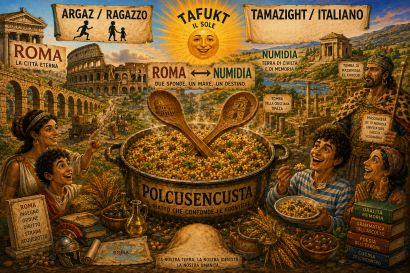
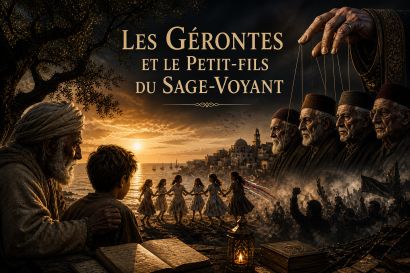
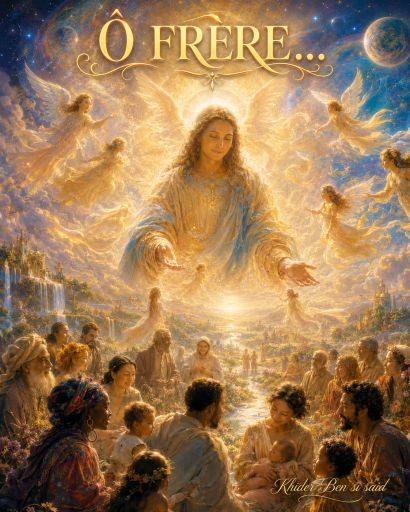
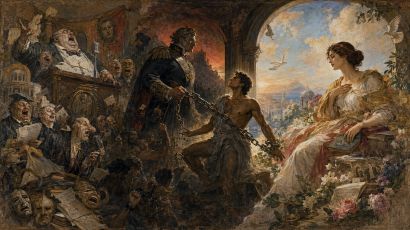
Il progetto può essere accompagnato da illustrazioni originali, manifesti narrativi o composizioni visive ispirate all’universo della pièce.
Le immagini possono evocare:
una grande pentola centrale;una biblioteca trasformata in cucina;personaggi burleschi attorno al piatto;parole, libri, cucchiai e documenti in movimento;la relazione tra Mediterraneo, lingua e memoria;l’incontro simbolico tra polenta e cuscus;una cultura che smette di essere museo e diventa tavola condivisa.
__________________________________________________________________________________________________________________________
ENGLISH PRESENTATION
Overview of the Work
"La Polcusencusta" is a 2006 (revised 2026) theatrical piece set in an Italian cultural center in North Africa, focusing on a student obsessed with learning Italian and its impact on the community.The play begins as a linguistic comedy, highlighting grammatical errors and misunderstandings, then evolves into a reflection on knowledge, transmission, and cultural identity.Central to the narrative is the creation of the "Polcusencusta," a hybrid dish symbolizing cultural meeting, contamination, and transformation, illustrating that cultures do not oppose but blend to generate new meanings.The work emphasizes that language becomes an experiential, relational process, transforming grammar into gestures and knowledge into shared practice.It combines elements of grotesque theater, philosophy, and poetic writing, questioning how to learn, share, and coexist without erasing differences.
Postface and Thematic Insights
The piece originates from a liminal space between language and error, didactics and imagination, real and theatrical Mediterranean worlds.It celebrates creative disorder, where linguistic errors become poetic acts and translation a living act, emphasizing the dynamic, collective nature of knowledge.The community’s language reveals its rigidity, misunderstandings, and capacity for change, with grammatical mistakes serving as poetic expressions and relationships.The culinary metaphor of the "Polcusencusta" illustrates cultural coexistence: couscous and polenta do not cancel each other but create a fertile, unstable third space that challenges traditional notions of belonging.The theater functions as a space of ongoing translation, not only between languages but between different ways of perceiving the world, fostering shared questions rather than definitive answers.Ultimately, the work suggests that knowledge is a chaotic, emotional, collective process, emphasizing the importance of embracing differences and fluid identities.
Reasoning and Approach
To provide a fair and thoughtful mark for the opera "La Polcusencusta," I have analyzed its structure, themes, originality, and artistic impact as described in the document. The evaluation considers the following criteria:
Originality and Innovation: The opera uses a unique culinary metaphor (Polcusencusta) to explore language learning and cultural exchange, blending humor, philosophy, and poetic writing.
Thematic Depth: It addresses complex issues such as identity, error, transformation, and the dynamic nature of culture, moving beyond a simple comedy to a profound reflection on coexistence and learning.
Dramaturgical Quality: The play is structured with clear character development, evolving from individual struggle to collective transformation, and uses theatrical devices effectively.
Relevance and Message: The opera delivers a timely and universal message about embracing difference, the creative power of error, and the importance of shared experience.
:The opera stands out for its originality, blending culinary and linguistic metaphors in a way that is both accessible and intellectually stimulating.It successfully transforms a personal struggle with language into a collective journey of cultural reconciliation, making the story relatable and meaningful for diverse audiences.The writing is rich in irony and poetic reflection, and the structure supports both humor and philosophical depth.The only minor limitation is that its experimental and metaphorical style may challenge some traditional audiences, but this is also a strength in terms of artistic innovation.
Example Implementation:
The creation and sharing of the Polcusencusta dish as a metaphor for cultural fusion is a powerful theatrical device, making the abstract theme of coexistence tangible and memorable.The final monologue, where the student realizes that language and life are about transformation and connection, encapsulates the opera's message and leaves a lasting impression.
Summary Statement:
"La Polcusencusta" is creative approach, thematic richness, and ability to provoke thought and dialogue about language, culture, and identity.
It is a contemporary work that challenges conventions and invites audiences to embrace the beauty of difference and the value of shared experience.