The Water Hunters IV
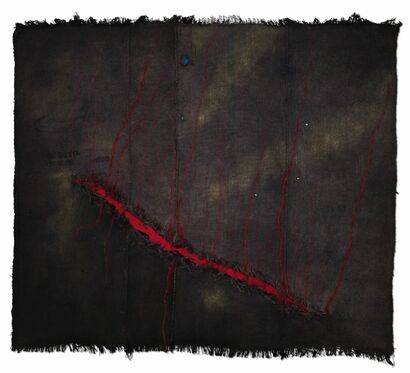
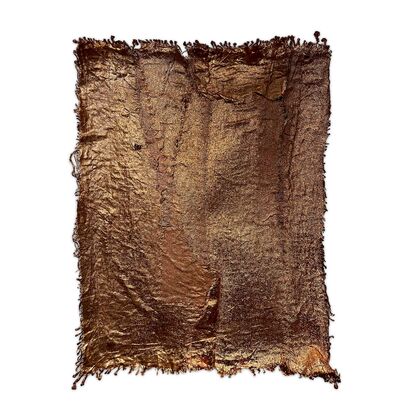
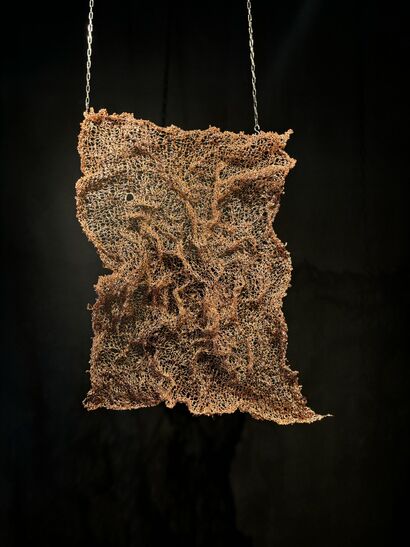
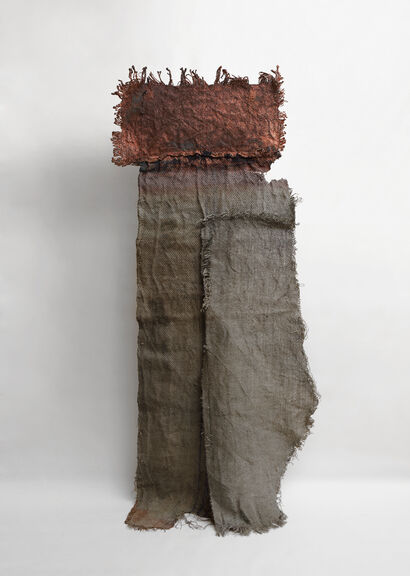
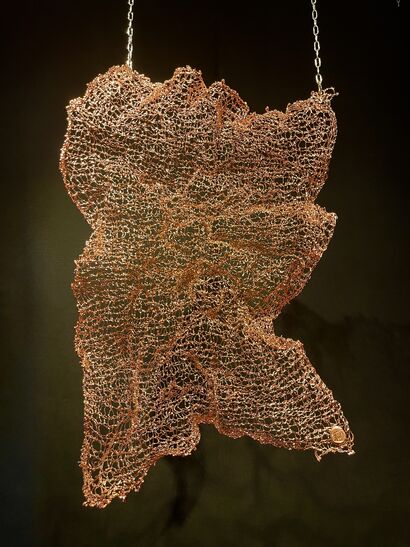
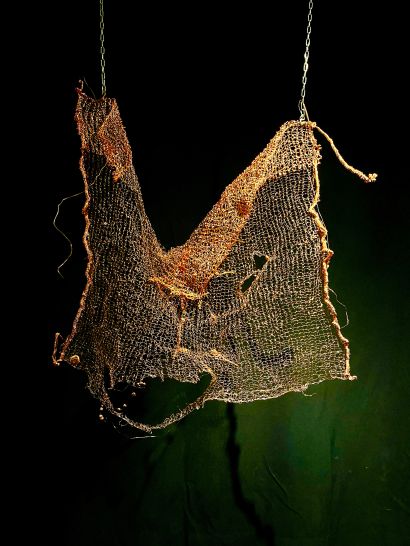
This artwork is composed of epoxy resin cascading down a wide-meshed jute net. The net itself is
the key element—the conceptual core of the piece. A net is traditionally a tool for capturing,
catching, or hunting something. In this context, the target is water. This premise, however, is
inherently paradoxical: water, by its very nature, cannot be hunted or captured—it flows freely,
slipping through our hands.
This absurdity is intentional, serving to highlight a profound critique of the human mindset—the
relentless, unrestrained drive to possess. When we attempt to privatize a natural resource as
fundamental as water, transforming it into a "liquid asset," we infringe upon the natural right of all
people to access water. This act disproportionately affects poorer populations, restricting their
access to clean water and exacerbating social inequalities.
In the face of climate change, such a scenario becomes even more precarious. A water emergency,
fueled by greed and mismanagement, can quickly escalate into conflict—perhaps even war. This
artwork serves as a stark reminder of the dangers inherent in commodifying resources that are
essential to life and should remain universally accessible. It is both a critique and a call to action to
preserve what is sacred and necessary for our shared future.
But the net in this artwork holds a dual symbolism. On one hand, it represents the act of hunting or
capturing, as previously mentioned, on the other, it signifies entrapment—a web in which we can
become ensnared. This aspect reflects how we, as individuals and as a society, are often confined
within the limited frameworks of our own perspectives. We are metaphorically trapped within the
small squares of the net, struggling to step out of our comfort zones and adopt a broader, more
holistic view of the challenges we face.
This inability or unwillingness to shift our perspective is a critical barrier to addressing the complex
and pressing problems of our time; or as Albert Einstein famously observed, “You cannot solve a
problem with the same thinking that created it.” To resolve issues like the looming water crisis, we
must break free from these mental confines, challenge entrenched paradigms, and embrace
innovative, inclusive approaches.
The net, then, is not just a symbol of human folly in seeking to possess the unpossessable; like a
mirror it is also reflecting our collective entanglement in outdated thinking. It calls for introspection
and the courage to step beyond our limitations, to envision and act on solutions that extend beyond
narrow self-interest and short-term gains.