DeltaPoRoad – Theory and Practice of Perception
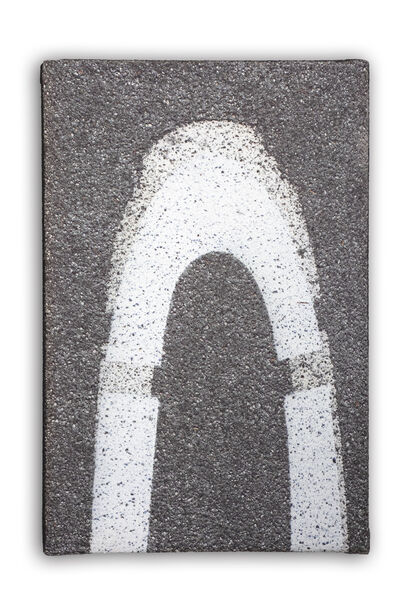
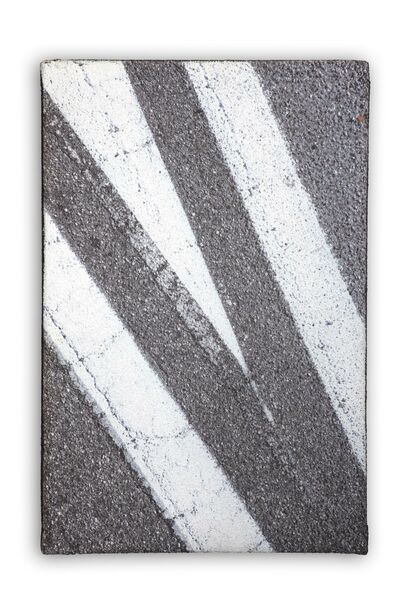
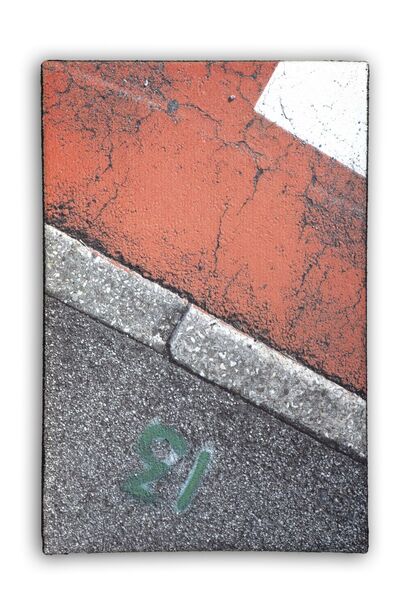
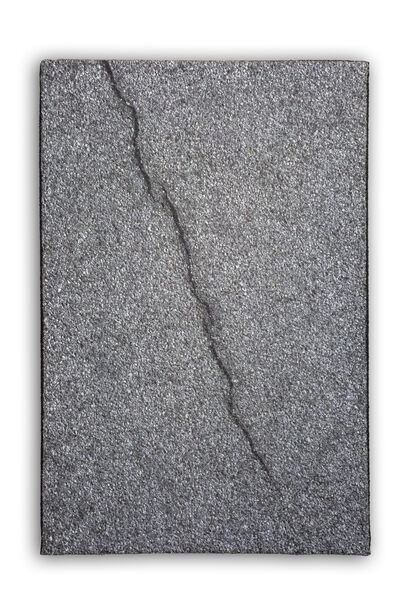
Photo-sculptures to see and touch
I am fortunate to live in the Veneto Regional Park of the Po Delta, a land painstakingly reclaimed from the sea, where nature and human intervention intertwine in a delicate balance. Centuries of land reclamation, embankments, and pumping stations have shaped the landscape, making it cultivable, habitable, and a destination for those seeking nature, authenticity, and experience.
Today, with its 70,000 inhabitants and over 2,000 km of paved roads, the Park is a lived-in, traversed, and transformed territory. Yet, in images shared online, these roads seem to vanish, as if an untouched landscape were more acceptable, more desirable.
This omission is not accidental; it reflects a mental mechanism that tends to exclude asphalt from the imagery of a natural environment. Yet, the Po Delta itself is a human creation. The Taglio di Porto Viro, in 1604, diverted the river’s course, altering its morphology; massive embankments regulate its waters, tireless pumping stations keep it habitable.
Can we truly trust our perception? Is the Po Delta natural or artificial? Is asphalt an intrusion or a necessity? Selection, exclusion, filtering reality to construct a vision are among the most insidious mechanisms of human thought.
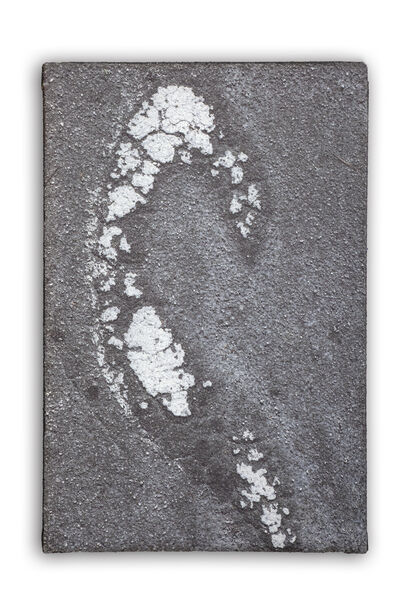
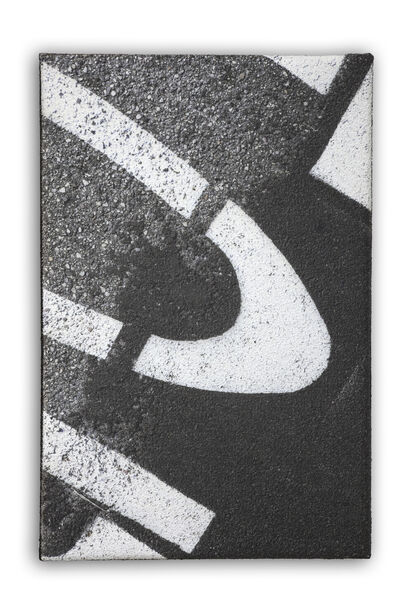
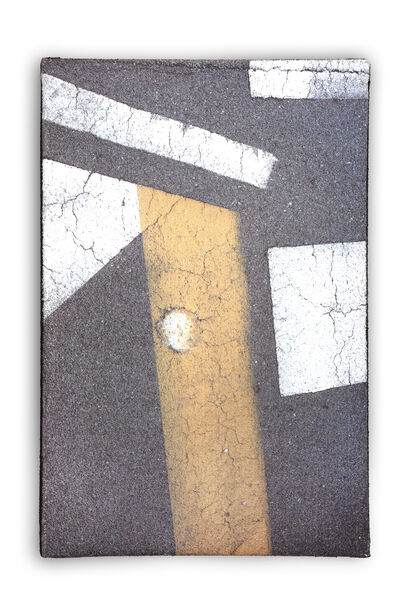
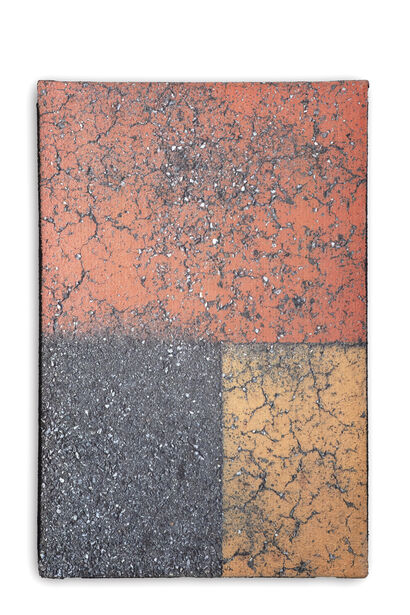
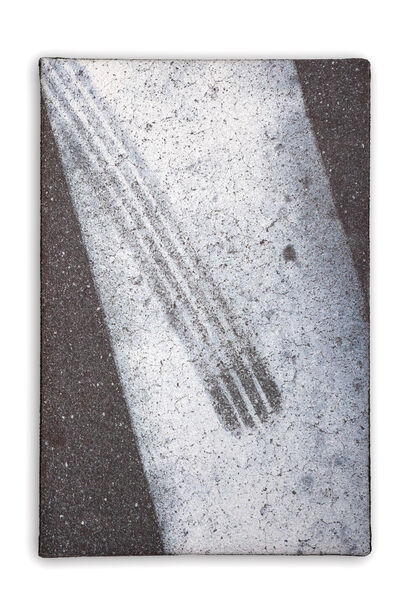
DeltaPoRoad does not provide answers, but invites observers to challenge their certainties. Through these photo-sculptures, meant to be seen and touched, it opens a dialogue on the ambiguous nature of perception and the fragility of our interpretation of the world.
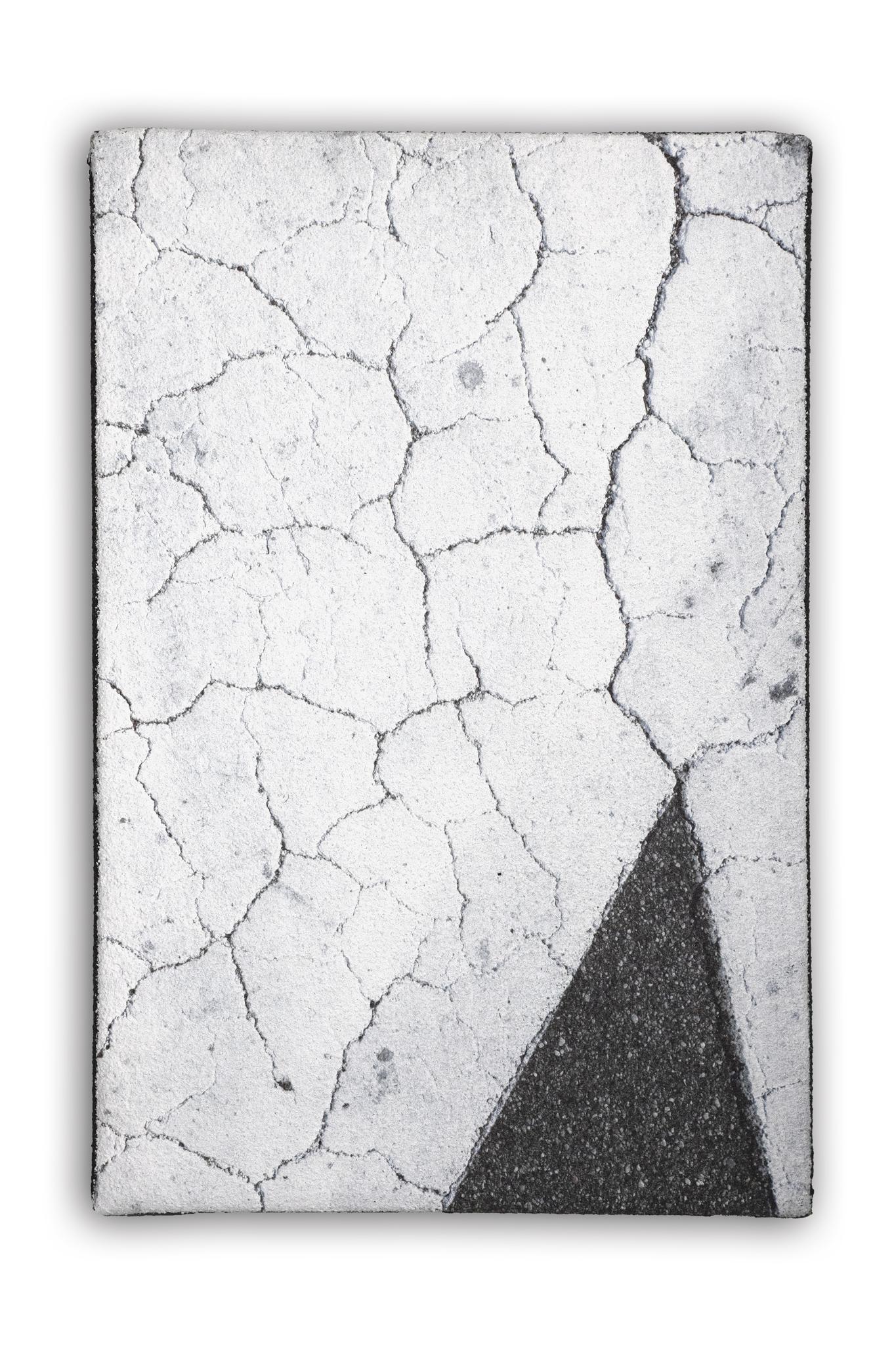
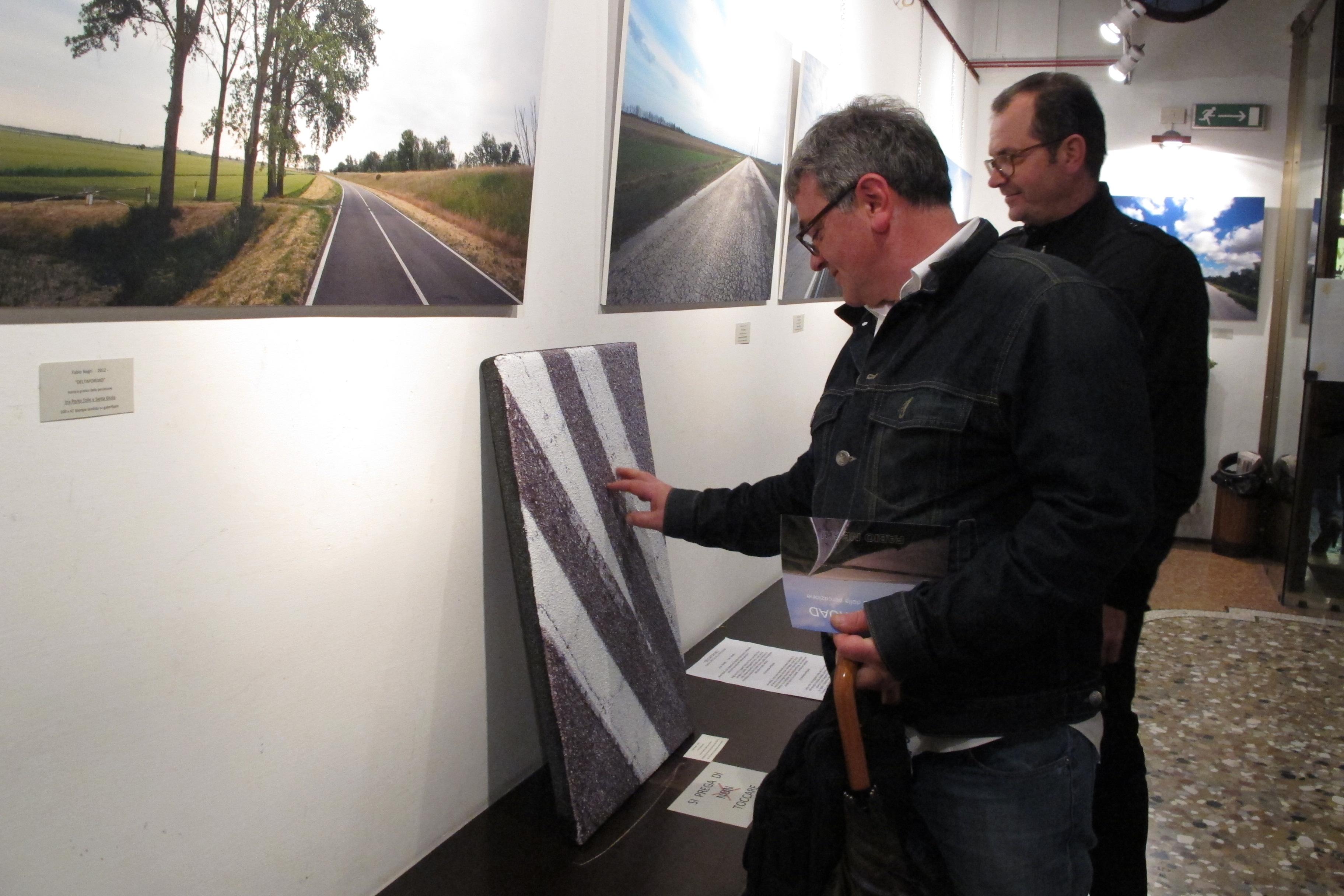
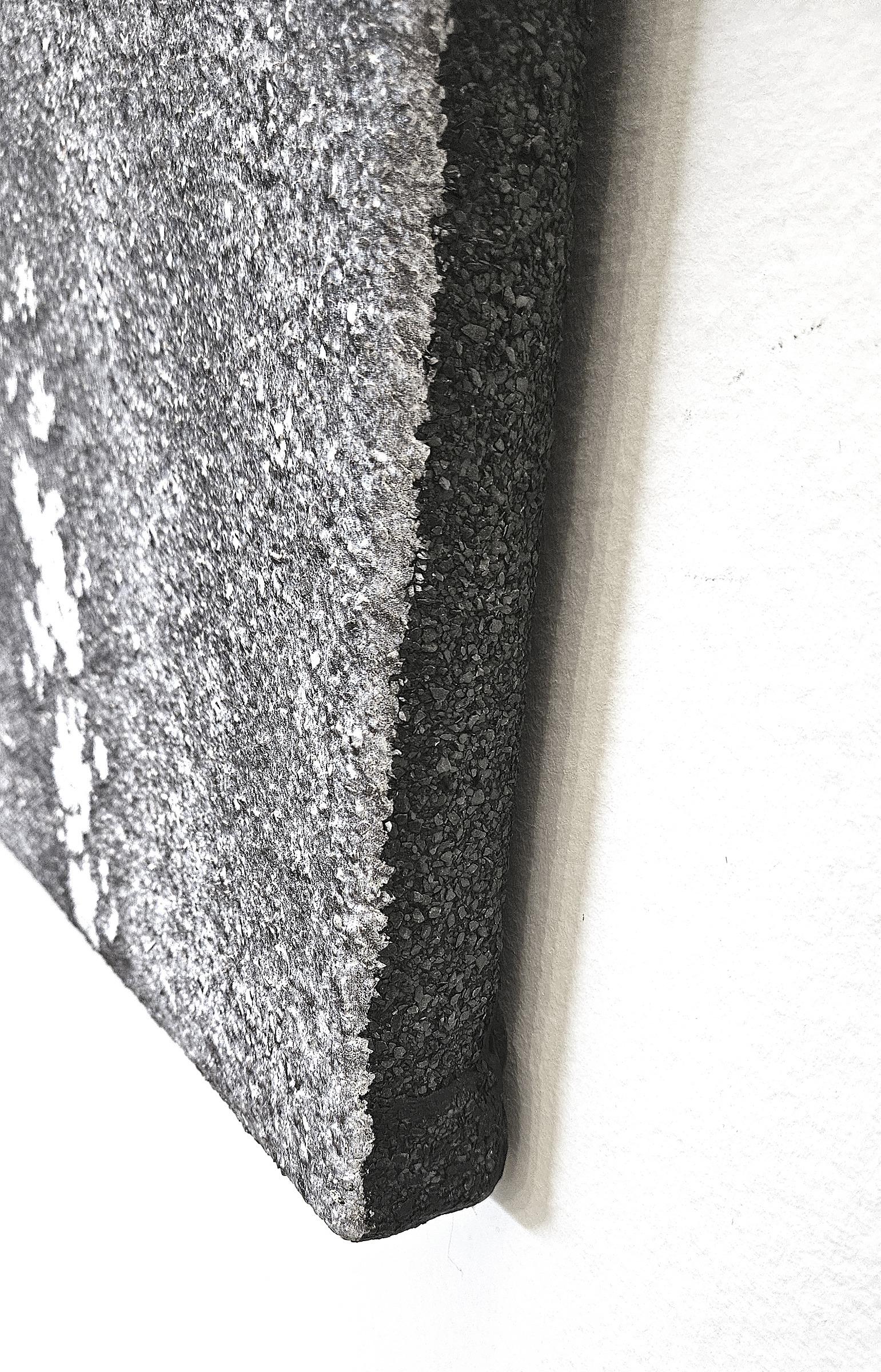
Printed on bituminous support, these photographic works are not merely meant to be observed; they invite the public to touch them, to perceive their materiality, refining the experience of awareness through the sense of touch. Due to their composition and uniqueness, these works can be considered true sculptures to be hung.
DeltaPoRoad – Teoria e pratica della percezione - Foto-Sculture da vedere e da toccare
Ho la fortuna di vivere nel Parco Regionale Veneto del Delta del Po, una terra strappata con fatica al mare, dove natura e artificio si intrecciano in un equilibrio fragile. Secoli di bonifiche, argini e idrovore hanno modellato il paesaggio, rendendolo coltivabile, abitabile e meta di un turismo in cerca di natura, autenticità, esperienza.
Oggi, con i suoi 70.000 abitanti e oltre 2.000 km di strade asfaltate, il Parco è un territorio vissuto, attraversato, trasformato. Eppure, nelle immagini diffuse sul web queste strade non esistono, sembrano dissolversi, come se un paesaggio incontaminato fosse più accettabile, più desiderabile.
Ma questa omissione non è casuale: riflette un meccanismo mentale che tende a escludere l’asfalto dall’immaginario di un ambiente naturale. Eppure, il Delta del Po stesso è un'opera dell’uomo. Il Taglio di Porto Viro, nel 1604, ne ha deviato il corso, mutandone la morfologia; gli imponenti argini disciplinano le acque, le instancabili idrovore lo mantengono vivibile.
Possiamo davvero fidarci della nostra percezione? Il Delta del Po è naturale o artificiale? L’asfalto è un’intrusione o una necessità? La selezione, l’esclusione, il filtraggio della realtà per costruire una visione sono tra i meccanismi più insidiosi del pensiero umano.
DeltaPoRoad non offre risposte, ma invita l’osservatore a mettere in discussione le proprie certezze. Attraverso queste foto-sculture da vedere e da toccare, apre un dialogo sulla natura ambigua della percezione e sulla fragilità della nostra lettura del mondo.
Stampate su supporto catramato, queste opere fotografiche non si limitano a essere osservate: invitano il pubblico a toccarle, a percepirne la matericità, affinando attraverso il tatto l’esperienza della consapevolezza. Per la loro costituzione e per la loro unicità, tali opere possono essere definite vere e proprie sculture da appendere.