Throughout art history, the female body has served as a canvas for ideologies, religions, and social norms. It has been,... Read More
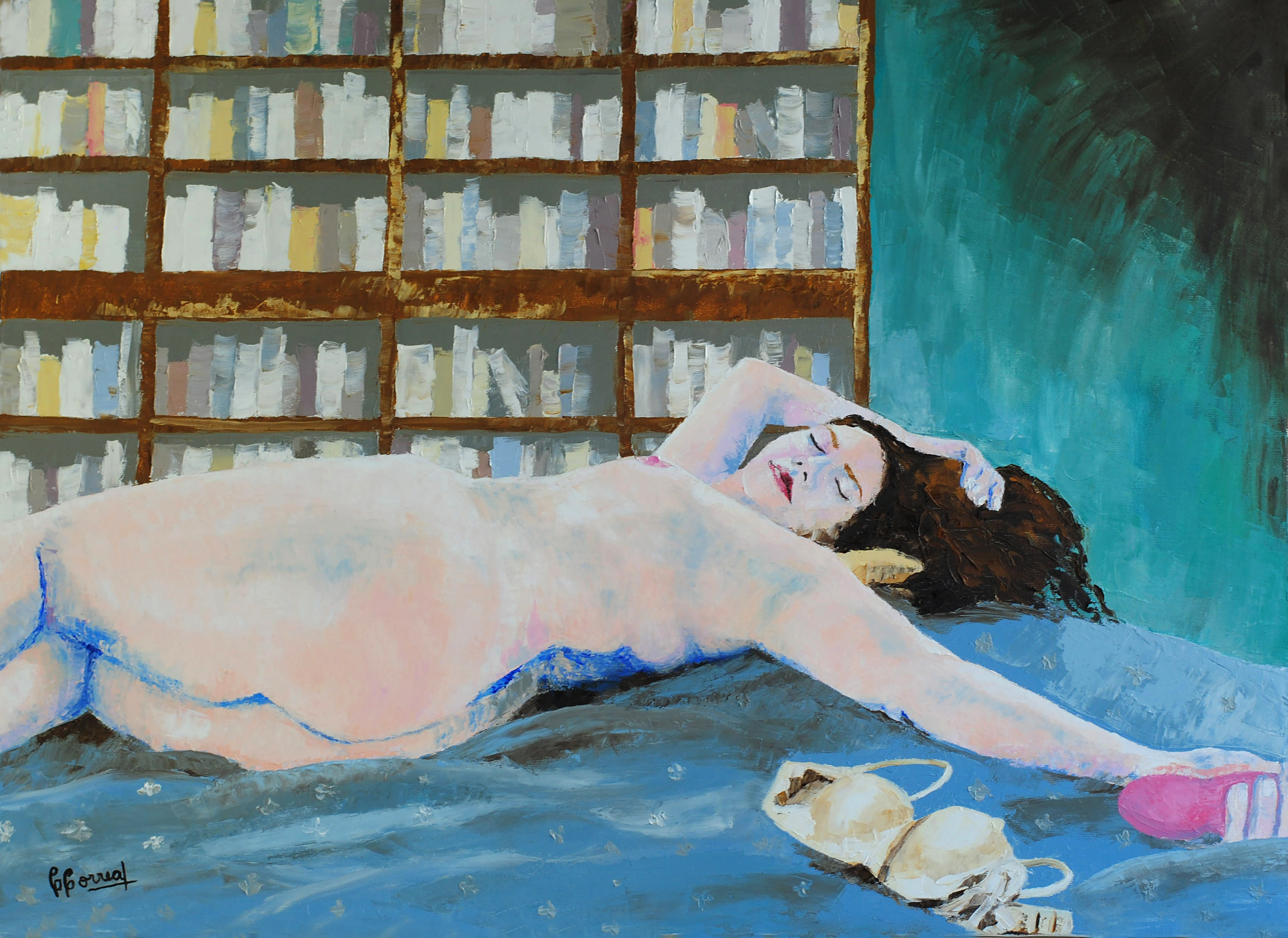
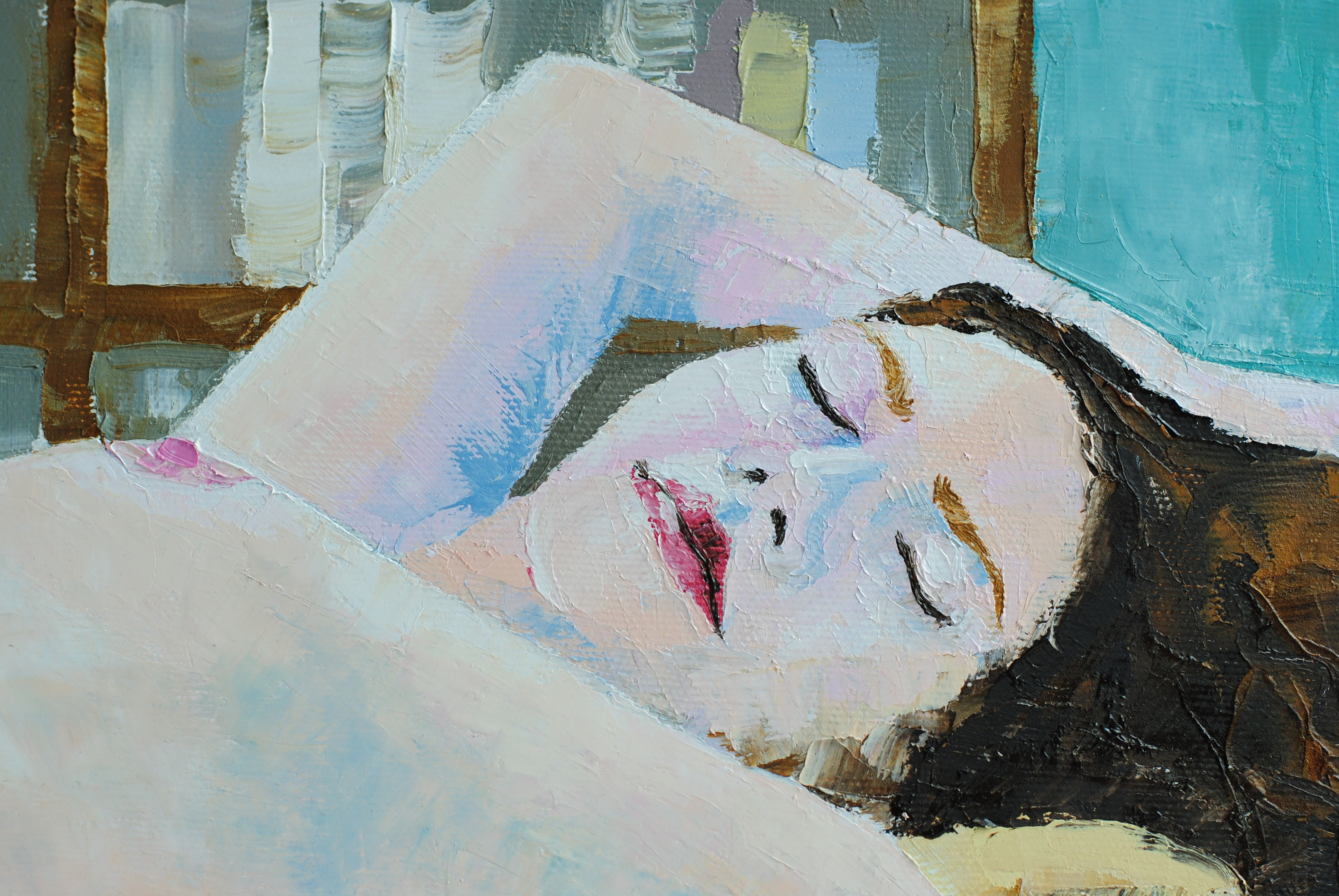
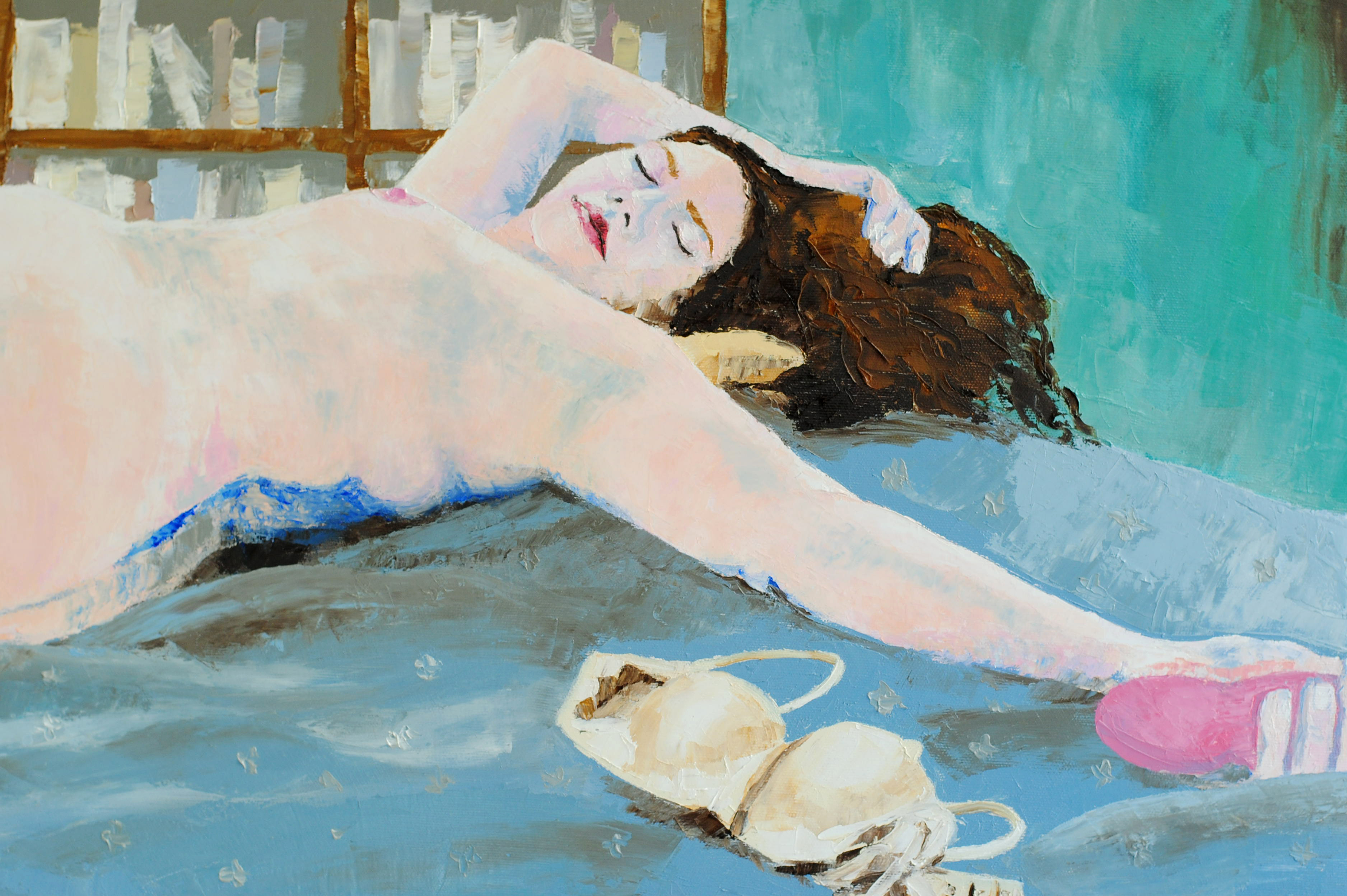
Throughout art history, the female body has served as a canvas for ideologies, religions, and social norms. It has been, and continues to be, a vessel for contradiction — symbolizing both virtue and sin. For centuries, the female nude was associated with shame, death, and temptation. We were portrayed as seductresses, as the origin of sin through sexuality. In the Renaissance, we became Venuses or Eves: passive, decorative beauties to be gazed upon. Meanwhile, the male body stood for action, heroism, and martyrdom. In this painting, | take inspiration from the Renaissance "Modest Venus" — but with one fundamental | _ difference: my Venus is a woman who is fully aware of her body, proud of her beauty, and free in the intimacy of her own space. There are no glances toward the viewer, no invitation. Her nude body lis hers, not for others. The underwear on the bed becomes a symbol of liberation — our modern corset. This woman is curious, informed, and, as M. Florencia Freijo says: "Knowledge will set us free”.