6th
mass extinction
The video animation is based on samples of various
organisms (bones, fossils), rocks, coal shales with animal prints, fragments of
wood, charcoal, water (with microorganisms), mud, and other materials I found
on Spitzbergen during my stay at the Adam Mickiewicz University Polar Station
in Petunia Bay. The samples were analyzed in the isotope laboratory using a
Scanning Electron Microscope (SEM). The resulting scans are used as source
material in the animation. The seemingly animated images seem to create some
nonexistent hybrid organism.
Species
extinction is the complete and permanent
disappearance of a species from Earth. It occurs when the last individual
member of that species dies and the species can no longer reproduce.
This
is a natural process that has occurred throughout Earth's history; however, the
current rate of extinction is estimated to be 100 to 1,000 times higher than
the natural background rate due to human activities. This accelerated loss of
biodiversity is often referred to as the sixth mass
extinction or the Anthropocene extinction.
Primary
Causes (Drivers of Extinction):
1.
Habitat Loss and Fragmentation: The
leading cause, driven by deforestation, urbanization, agriculture, and mining.
2.
Climate Change: Alters
ecosystems and temperature ranges faster than many species can adapt.
3.
Overexploitation: Hunting,
poaching, fishing, and logging at rates faster than populations can recover.
4.
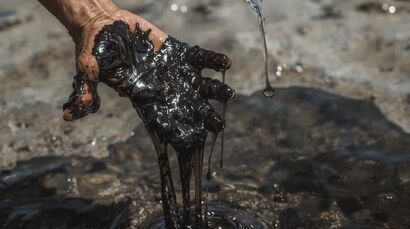
Pollution: Contamination
of air, water, and soil by chemicals, plastics, and other waste products.
5.
Invasive Species: Non-native
species outcompeting, preying upon, or bringing diseases to native species.
Key
Consequences:
·
Loss of Biodiversity: Reduces
the overall variety of life, making ecosystems less resilient.
·
Disruption of Ecosystems: The
loss of a single species can have cascading effects, disrupting food webs and
essential functions like pollination, water purification, and climate
regulation.
·
Loss of Potential Resources: Extinct
species may have held undiscovered value for medicine, agriculture, or science.