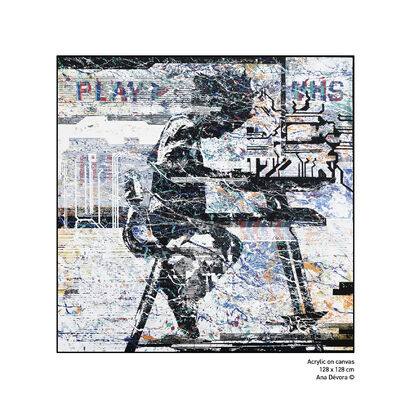
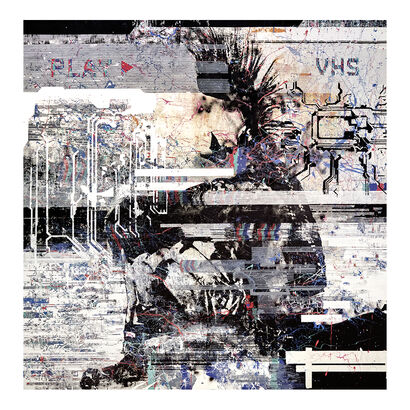
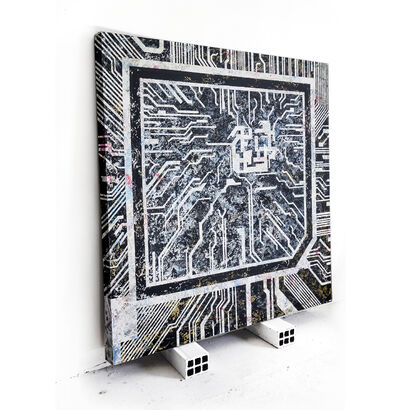
Technology has always been at the service of humans and has evolved according to their needs. Its practical use and implementation in the society have made it increasingly easy to access, although most users are unaware of the intricate network that this technology entails if they are not specialists or technicians in the field.
Our desires and needs have driven the creation of new technologies and tools, but it is our relationships with others and with the natural world that define us as human beings.
Technology can connect us with the unknown and offer new possibilities in a global world, although technology has limitations and can be fragile in some aspects. If the support becomes obsolete or breaks, the virtual world would disappear.
From a historical and anthropological perspective, how future generations will interpret the remains of our architecture and technology will depend on various factors, such as cultural context and knowledge of history. Some of our buildings and technologies may be considered valuable artifacts or even works of art, while others may be seen as historical curiosities or simply as garbage.
However, it is also possible that many of the technological discoveries of our civilization will be completely ignored, such as the cloud, the digital world, the internet, radio frequencies... everything that did not have a physical or mechanical structure would hardly be visible, losing all digital files without connection.
The Fantastic Souls project envisions a hypothetical future in which society self-destructs due to its egocentrism and thirst for power. Unfortunately, the persistence of armed conflicts poses a grim reality, as these ongoing hostilities continue to corrode the bedrock of civil rights for individuals in a multitude of global regions. Armed conflicts were unlikely to cease. Societies progressively crumbled, culminating in the extinction of human life on Earth.
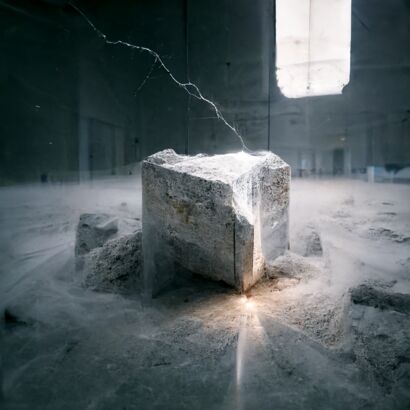
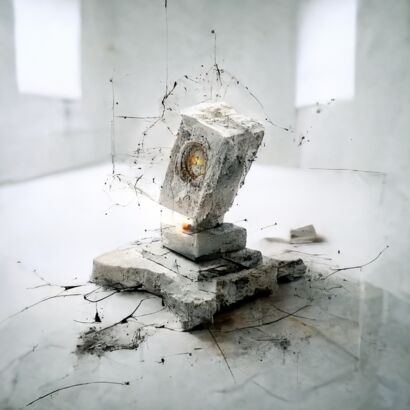
In this hypothetical future, the new inhabitants of the planet discover artifacts that they consider relics and objects of study.
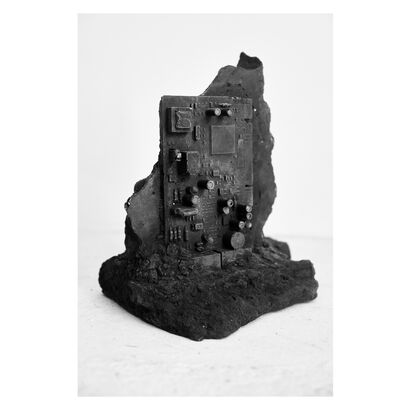
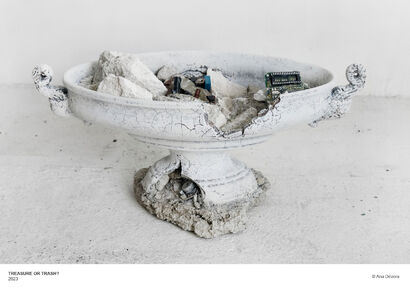
These artifacts are remnants of advanced technology from our time, made up of mechanical parts and microchips that future generations view as relics or totems. Their functionality has become a mystery to them due to the destruction of all information and connections that would have allowed them to understand their use.
The project aims to create these sculptural pieces using a combination of recyclable materials, technological devices, debris, and resines. Molds will be made with fiberglass, epoxy resin, and silicone to produce pieces made of cement, acrylic resins, and light.
The artifacts have a totemic function and symbolize a sustainable approach, emphasizing the importance of nature and the natural environment.
The ultimate goal is to create an immersive installation that combines the sculptural pieces with plants and vines, representing the vitality and power of nature, surpassing any technological influence.
The project aims to provoke reflections on our relationship with technology and the importance of the natural world and humane behavior.