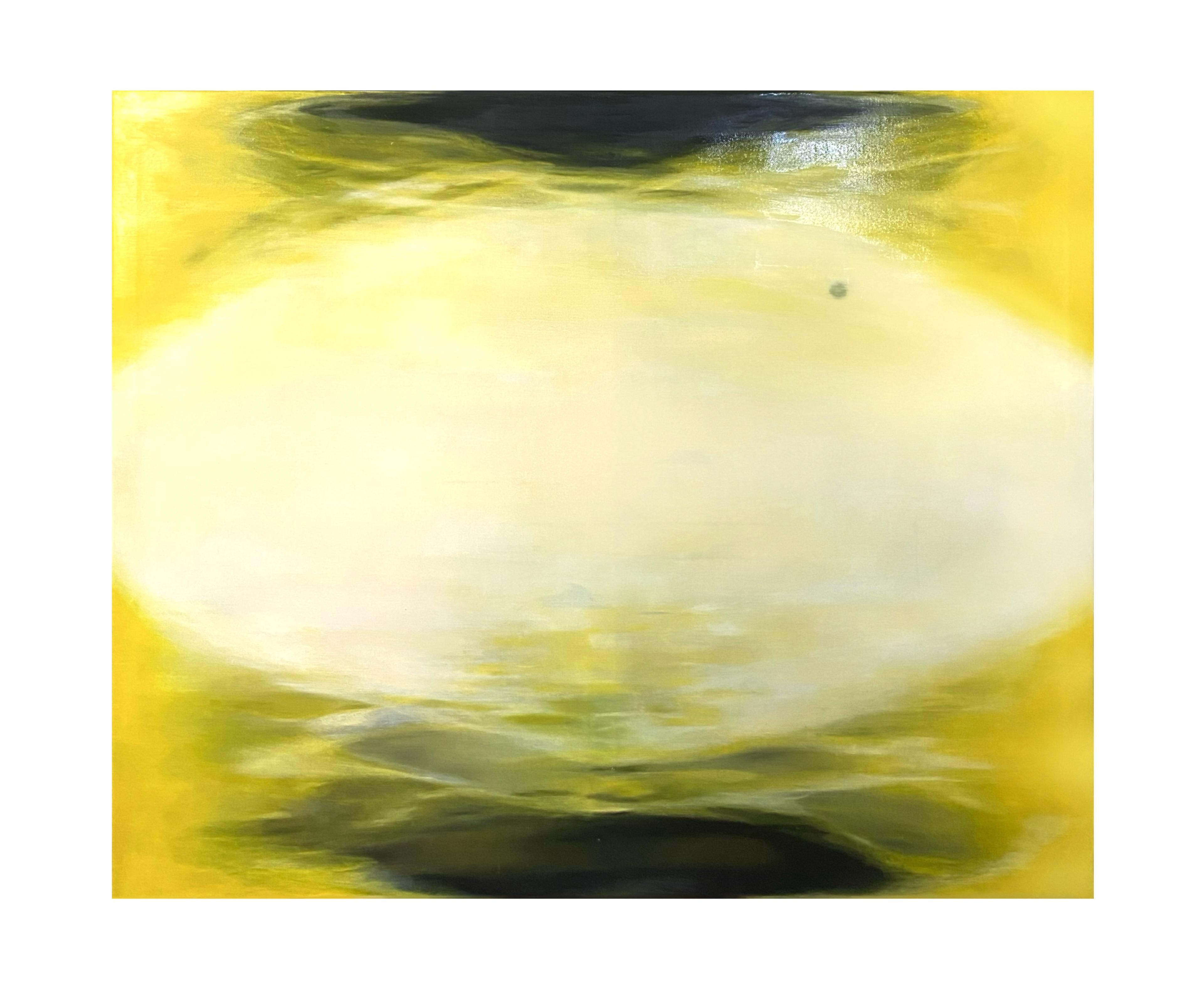
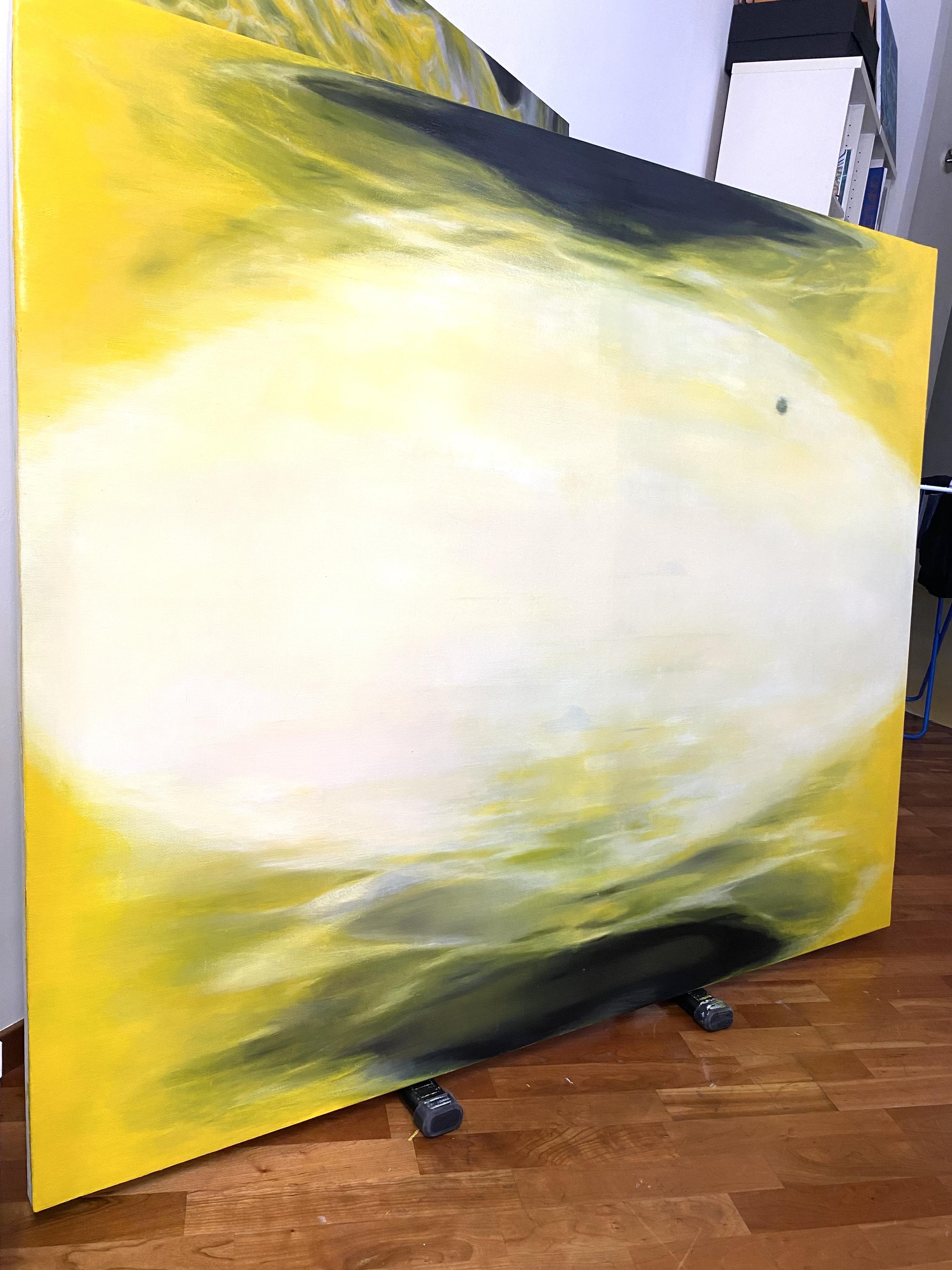
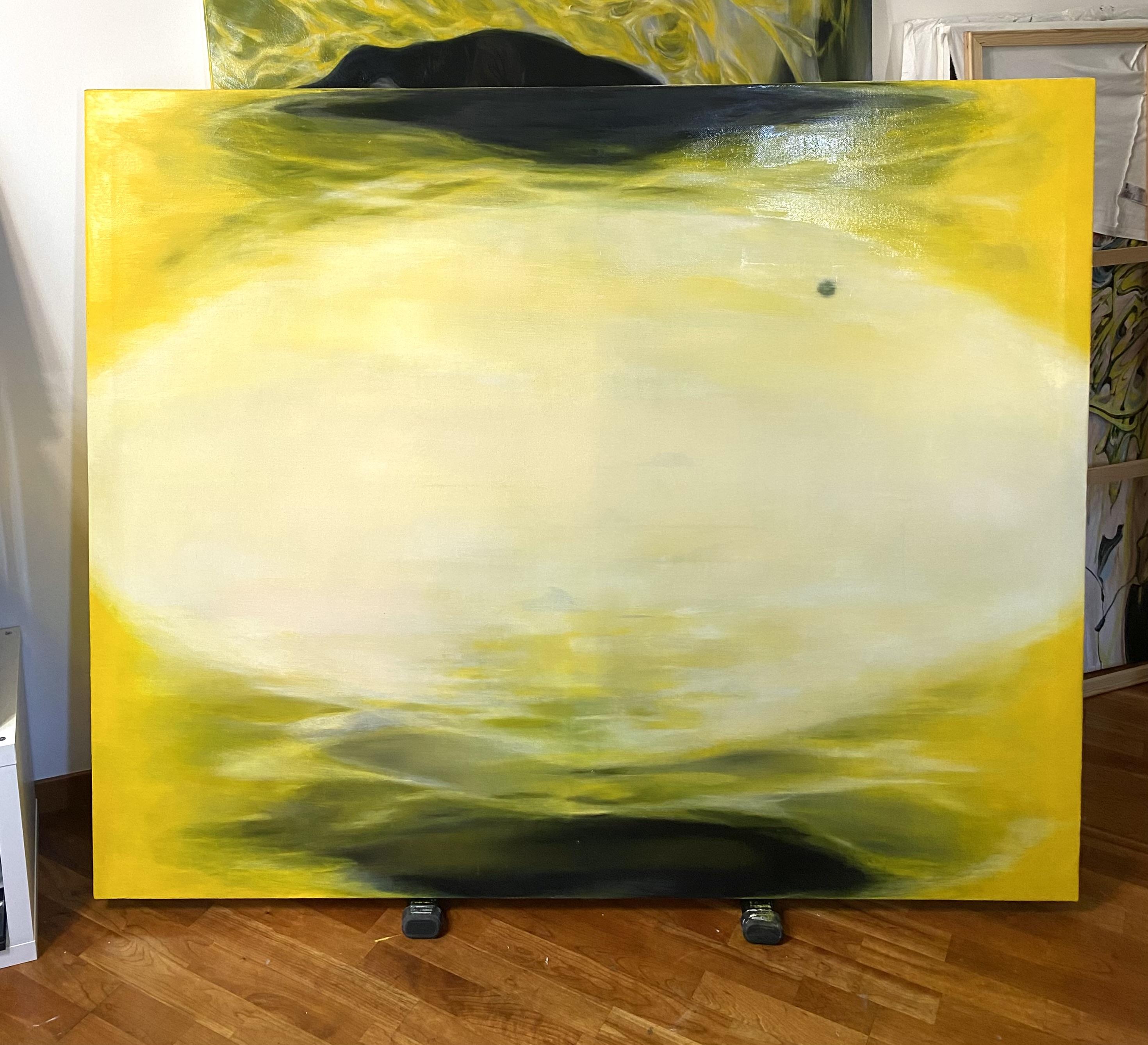
During the creation of these works, Jingyan Ding perceives the existence of "nothingness." The relationships between all things in the world seem to contain a certain wisdom, a wisdom of advancing and retreating, opposition and fusion. This wisdom is similar to the vague state described in the "Tao Te Ching," which blurs the boundaries between reality and virtual, reminding us to reflect on the reality of our existence and experiences.
The "Tao Te Ching" emphasizes that the essence of the universe and life is change and uncertainty. Laozi believes that "nothingness" is a form of wisdom, the origin of the world. Through introspection and perceiving this "nothingness," we attempt to find an origin, exploring whether we live in a real world. The formless, the silent, the invisible, and the absence of desires, perhaps this is our true world.