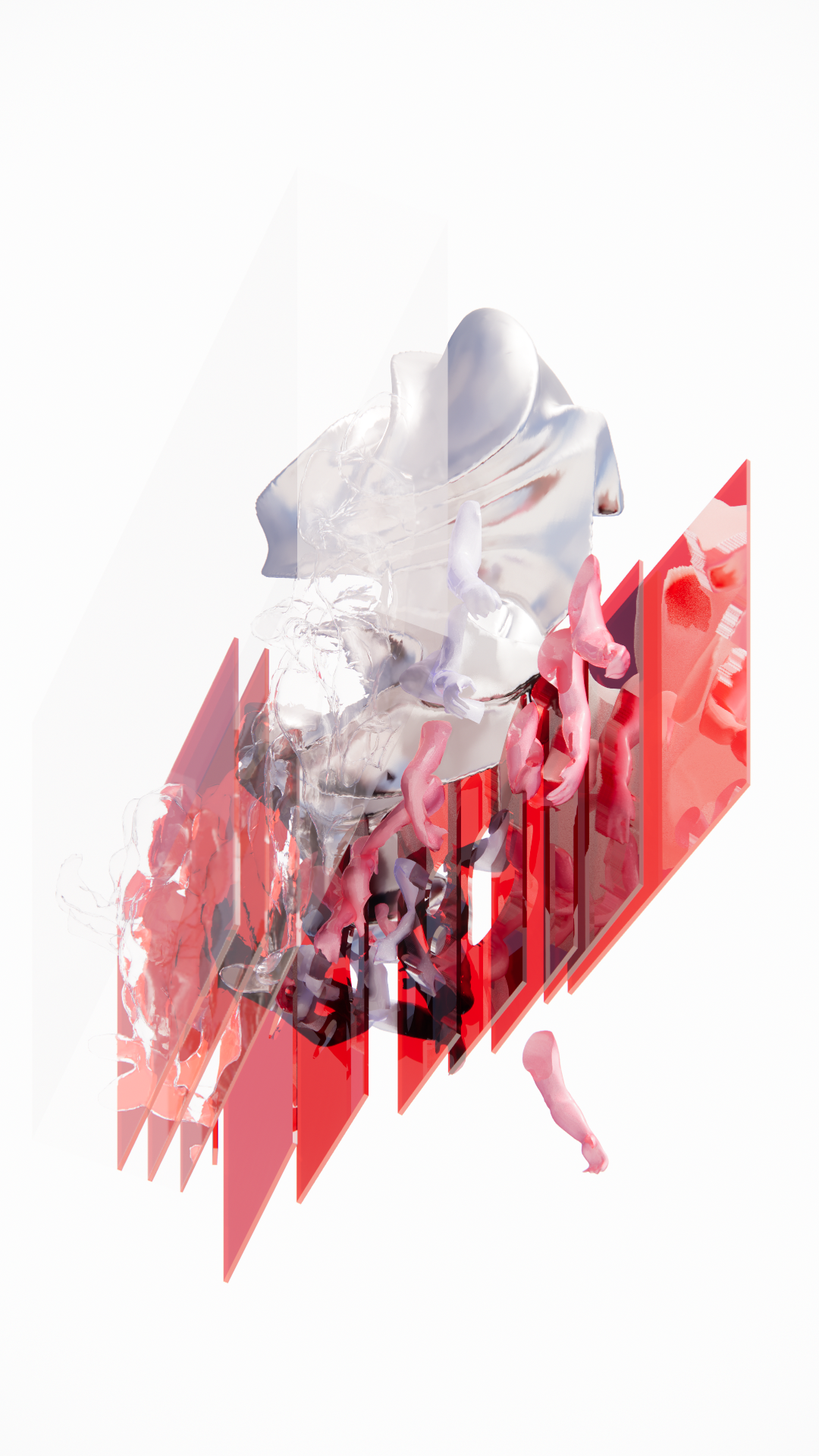
This project interrogates the architectural implications of AI’s disembodied cognition within a post-human framework. Oscillating between digital technologies and traditional design practices, the artist aims to provoke new architectural discourses around (dis)embodiment in an era of hyper machine fixation. The project positions AI as an errant co-author: one whose perceptual failures reveal deeper truths about our bodily relationship with the built environment. Through a series of anthropometric performances and speculative reconstructions of inhabitation, the artist critiques the ontological dissonance between data-driven logic and corporeal reality. AI’s “visual dyslexia” that manifests in distorted anatomies, fractured thresholds, and perspectival incoherence are embraced not as defects, but as provocations that rupture anthropocentric assumptions about space, function, and occupation. By destabilizing the presumed neutrality of algorithmic systems, the project redefines architecture as a site of ontological negotiation, where intuition, error, and ambiguity are reclaimed as generative forces. As the environmental, biological, and digital systems converge, the project prompts viewers to reflect on the questions: How can architecture respond when its foundational referent—the body—is no longer legible to its tools? What remains of spatial experience when “presence” becomes abstracted? And where, within this machinic terrain, might we resituate ourselves as humans?