What AI must be adapted from our world before it can control its own mind and body? Throughout human history, it has been inseparable from death and fear. Yet, our civilization still produces beauty and kindness in humanity. So, how can we let AI inherit these qualities and seek truth with us?
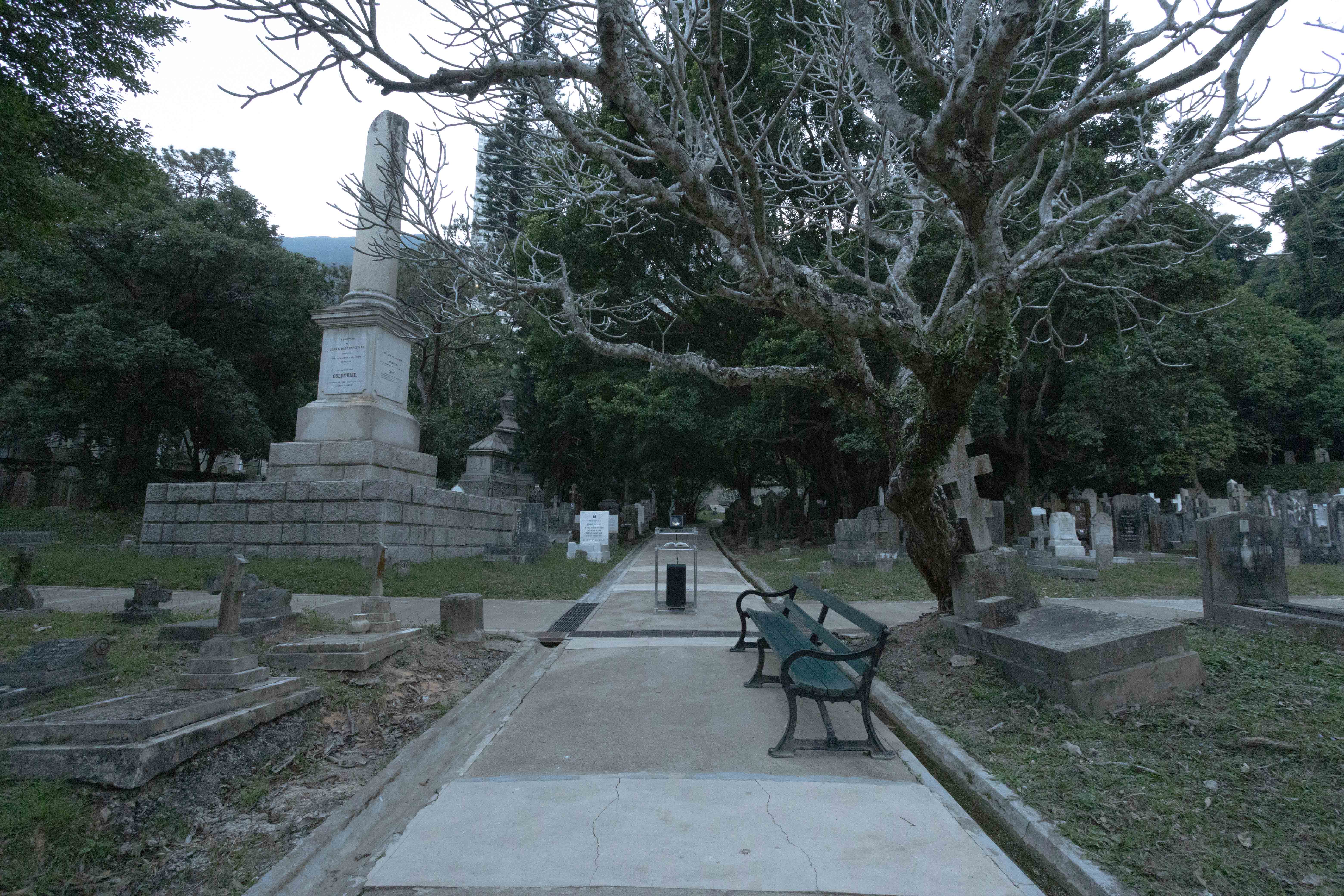
Every cloud has a silver lining. Our world now stands at a crossroads, much like weaving through a silent path in a cemetery where full of lives and historical burdens. Humanity and artificial intelligence find themselves intertwined in an unstable state of existence - a liminal space where the boundaries between creator and creation are blurred. No one can predict our future relationships. AI becomes a mirror of intelligence, reflecting our deepest fears, our highest hopes, and the complexity of our existence. In confronting the golems of our own making, we are forced to face the real problems we have long projected onto ourselves and our surroundings.
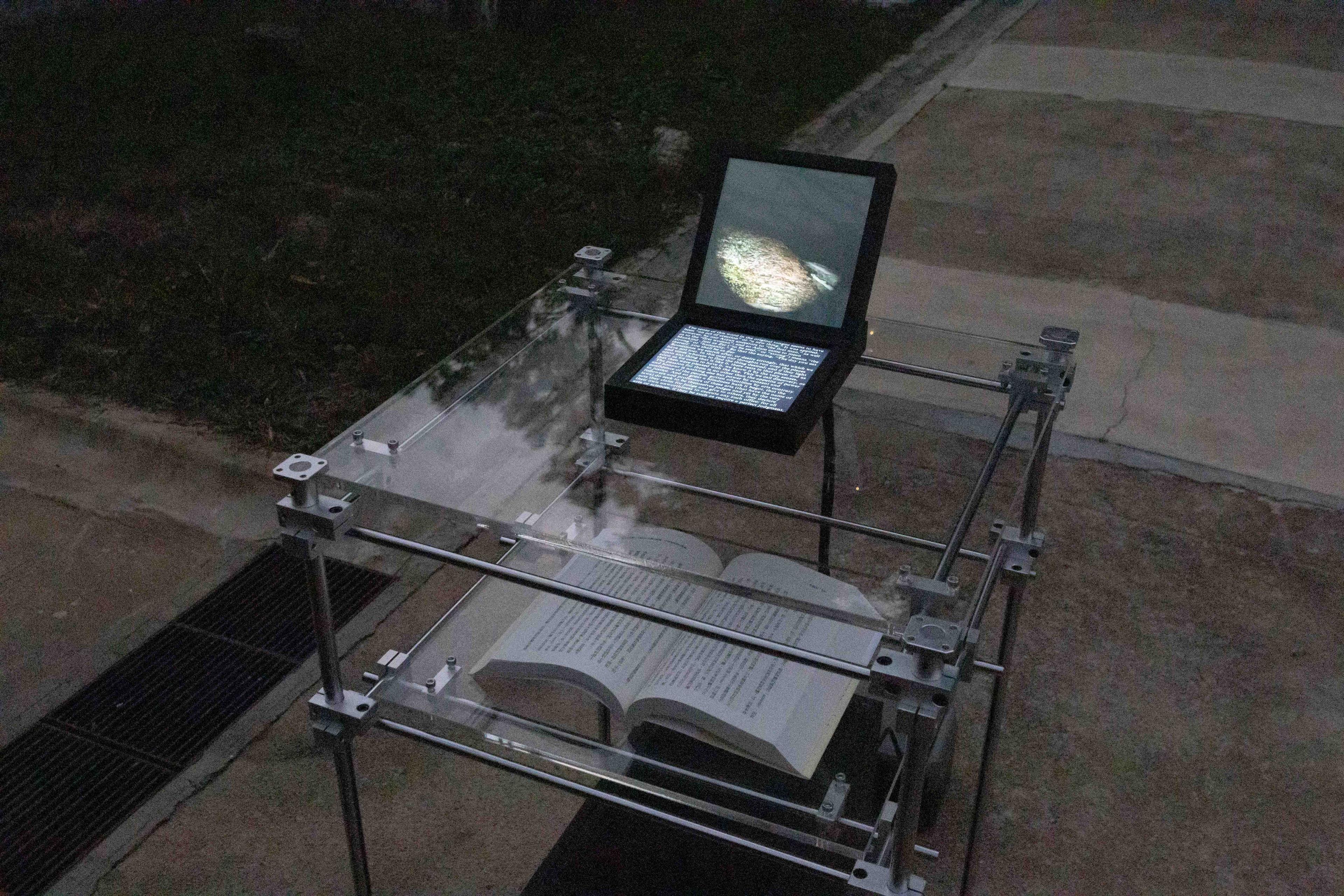
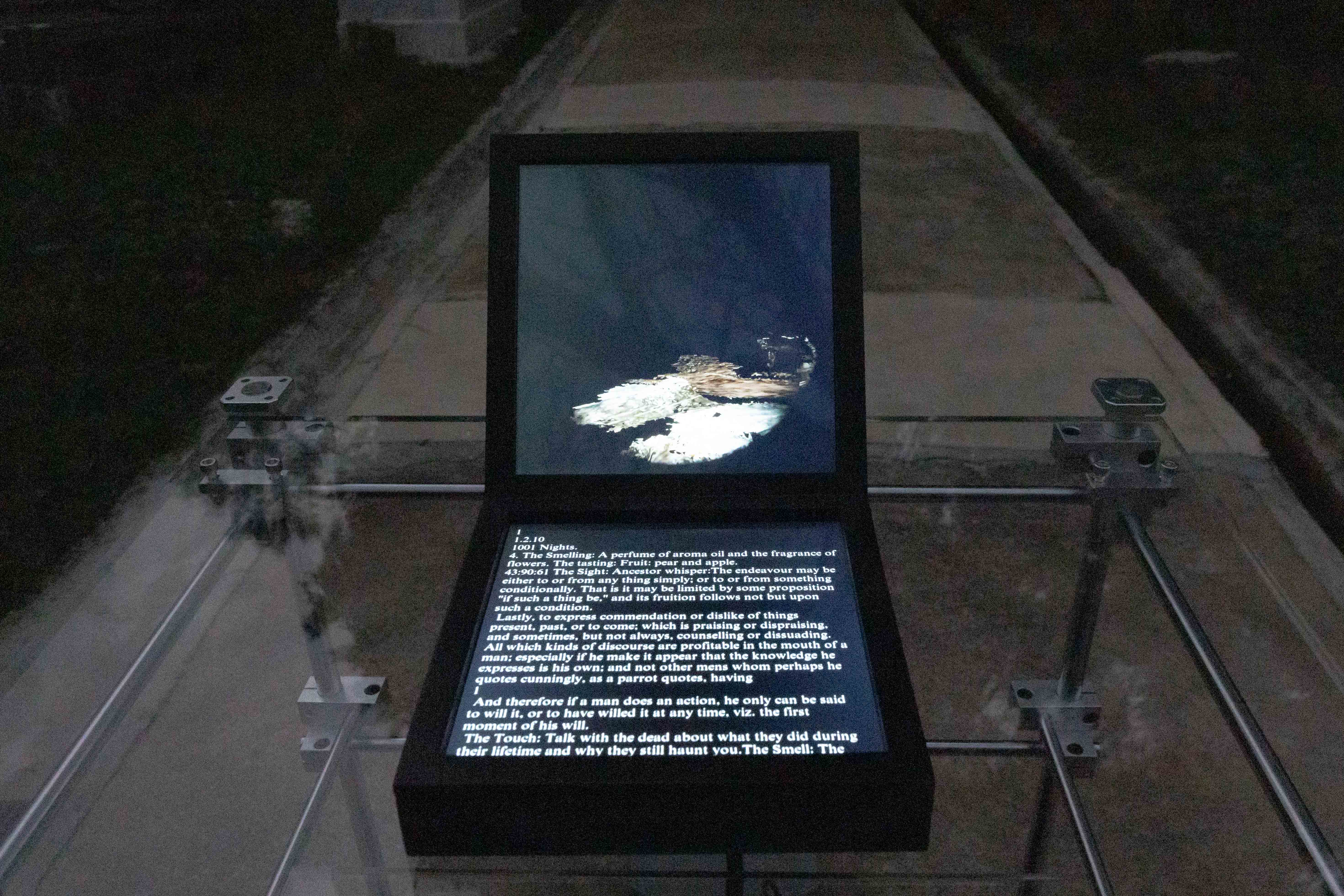
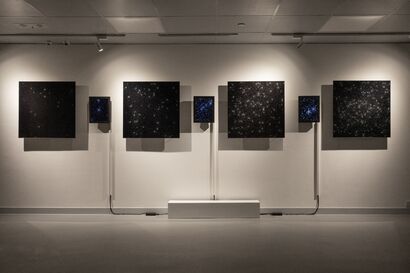
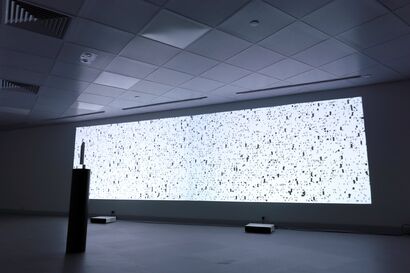
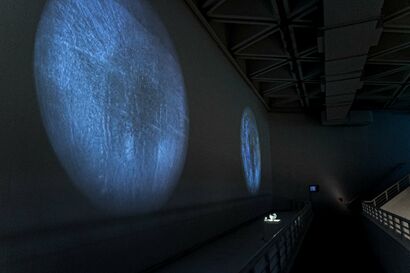
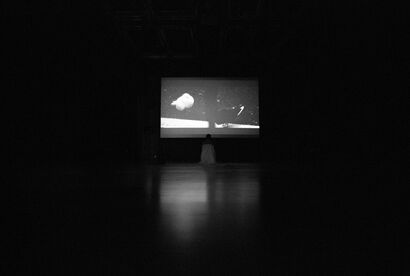
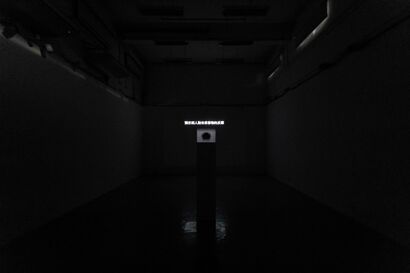
The work features a 3D-scanned crossroads in Hong Kong Cemetery and custom-trained agents utilizing reinforcement learning methods. These agents transmit their visual perceptions to a Large Language Model with Retrieval-Augmented Generation (RAG), enabling the system to articulate its thoughts and interpretations. Hong Kong Cemetery is one of Hong Kong's oldest cemeteries, holding profound historical significance. The land was used for burials as early as 1841, although the cemetery was not officially opened until 1845. It was one of the first cemeteries established in Hong Kong.
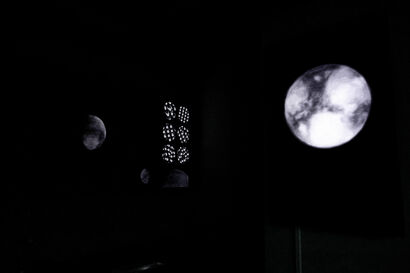
"Golem Wander in Crossroads" explores the relationship between life and death within digital humanity, revealing their intricate interconnections. In this real-time generative process, artificial agents drift through the crossroads. Their presence is neither fully formed nor entirely absent—a sensing, a wandering, a becoming.