Phillip George’s work explores the idea that history is not a static record of the past but a dynamic force that persists in the present and subtly shapes potential futures. His artistic and theoretical approach suggests that historical events, traumas, and cultural memories do not simply fade away; instead, they linger, influencing contemporary consciousness and foreshadowing what may come.
History Lingers in the Present
George’s work resonates with the philosophical concept of hauntology (introduced by Jacques Derrida), which describes how the past "haunts" the present—unresolved histories, forgotten narratives, and suppressed memories resurface in
cultural, political, and psychological ways.Through his art, George often engages with physical remnants of history archival documents, colonial artefacts, or urban landscapes—showing how they carry latent meanings that continue to affect modern identity and social structures. His work suggests that collective memory is not just retrospective but active, shaping how societies interpret current events. For example, colonial histories may linger in contemporary racial dynamics, or Cold War anxieties may echo in today’s surveillance culture.
George’s perspective implies that history does not move in a linear progression but in cycles or repetitions. By examining past events, we can detect patterns (oppression, resistance, technological upheaval) that may recur in new forms.
His works engage with counterfactuals or alternative histories, suggesting that the future is not predetermined but is instead a terrain of contested possibilities shaped by how we engage with the past.
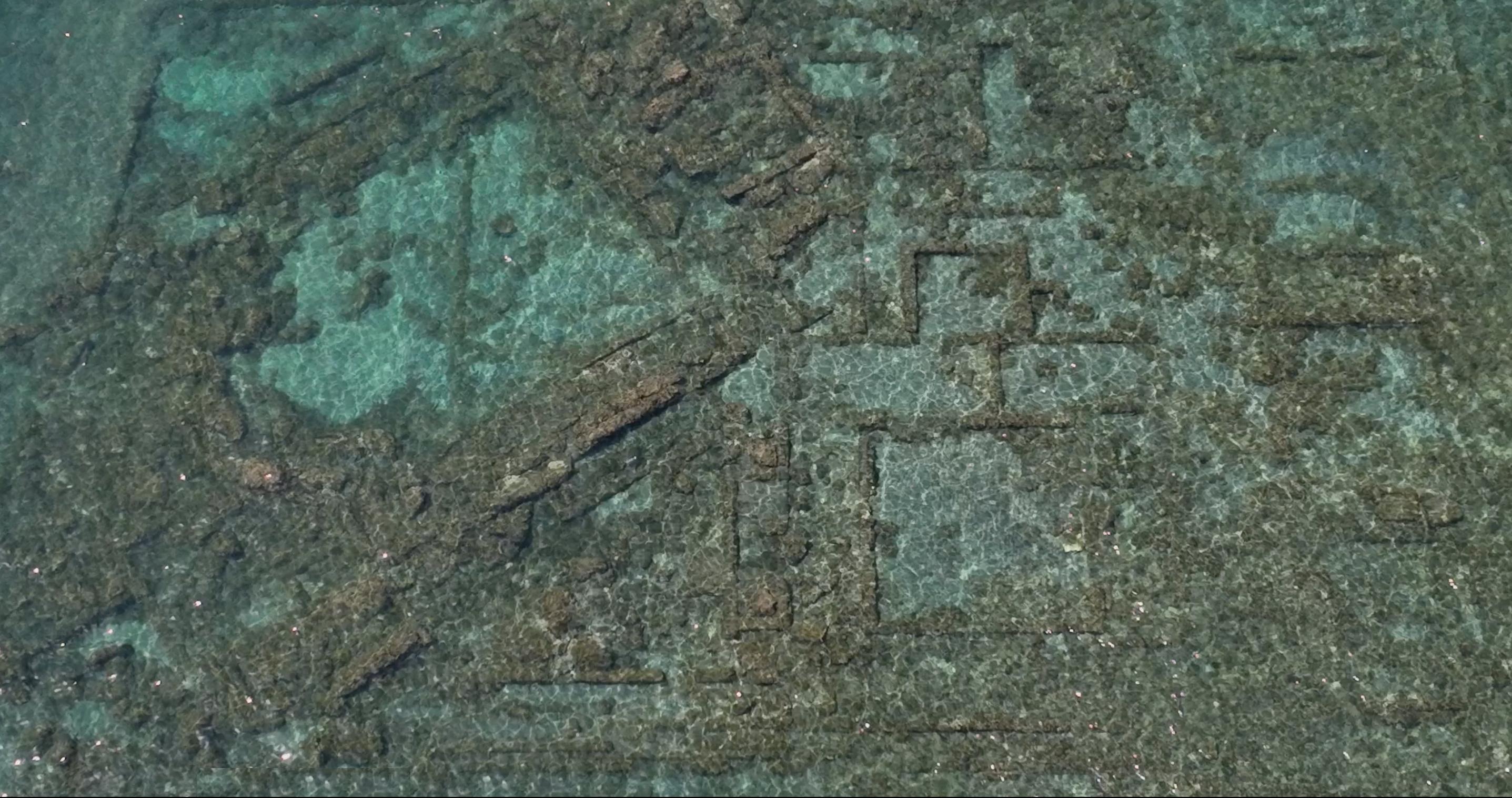
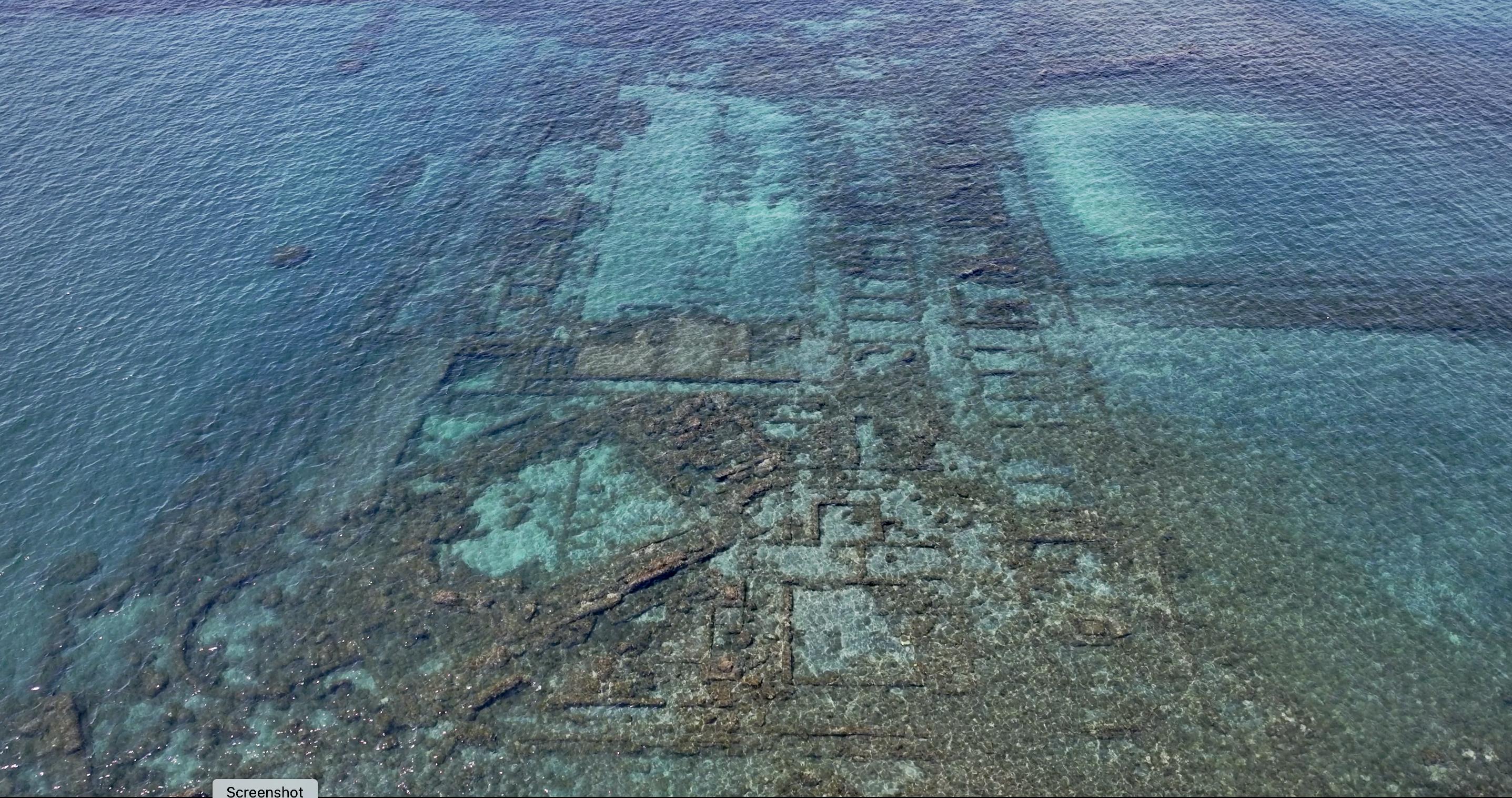
Swimming to Hades Video 4K Video - Link to Vimeo. - https://vimeo.com/manage/videos/819714903/5f539b7e97
no password needed