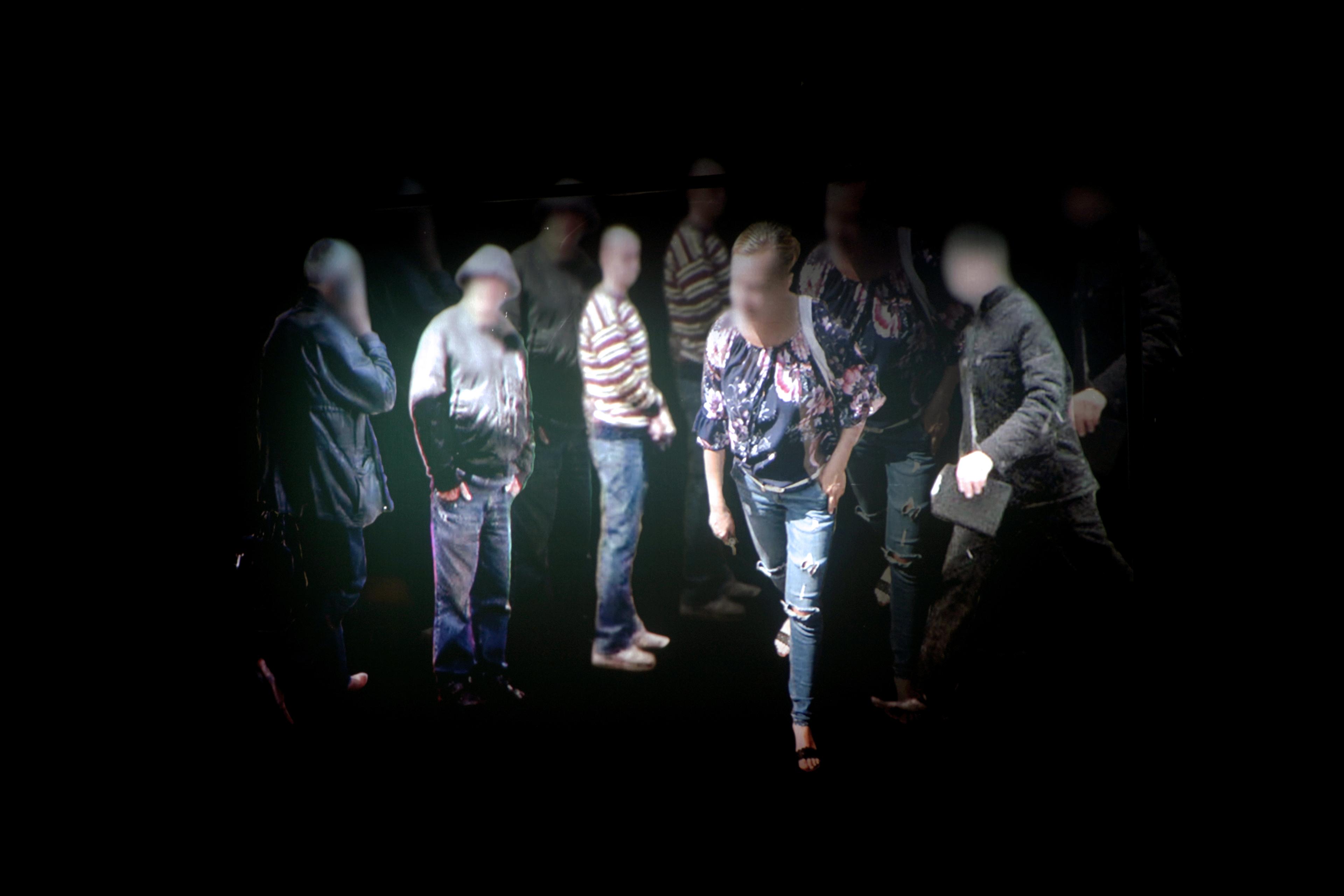
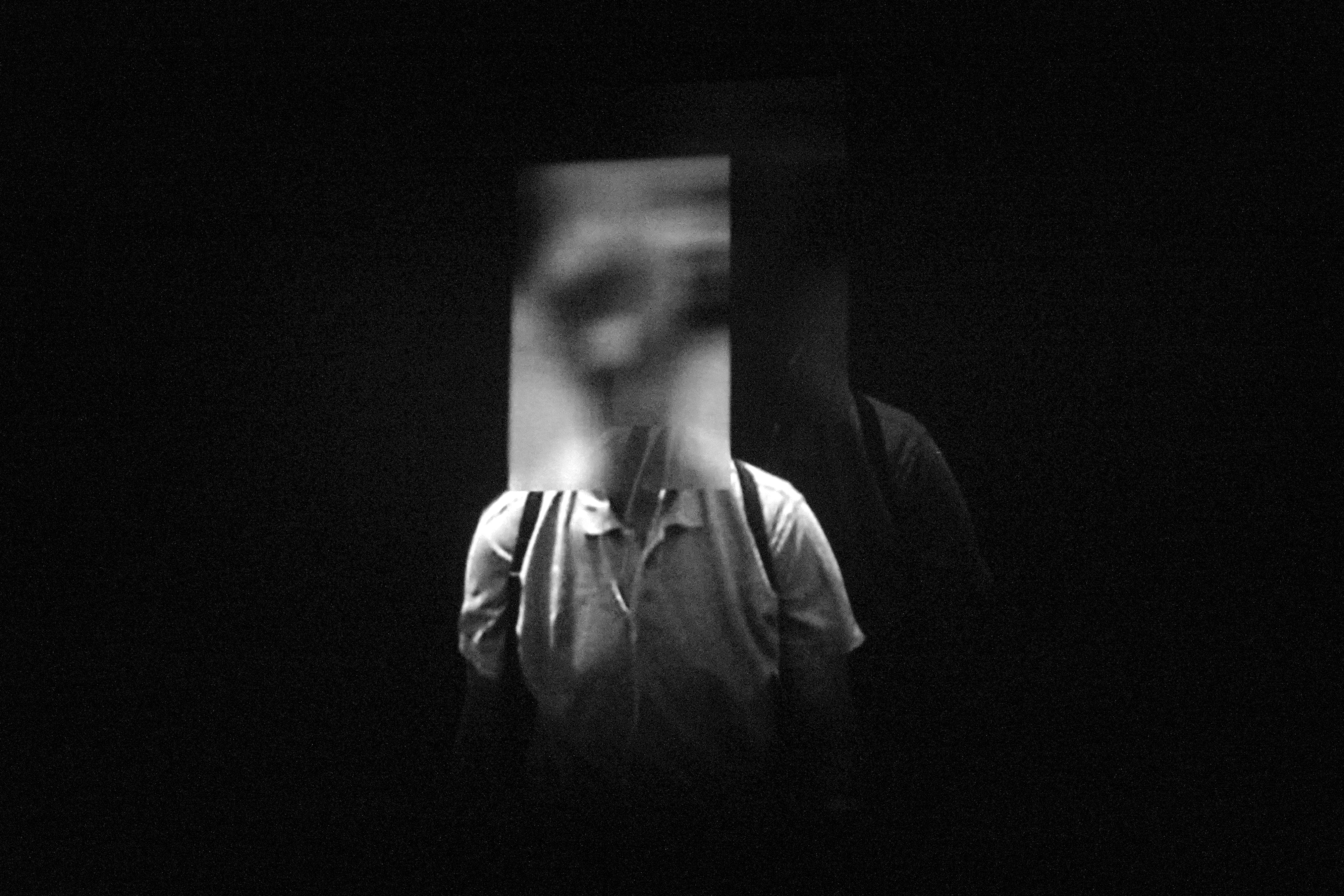
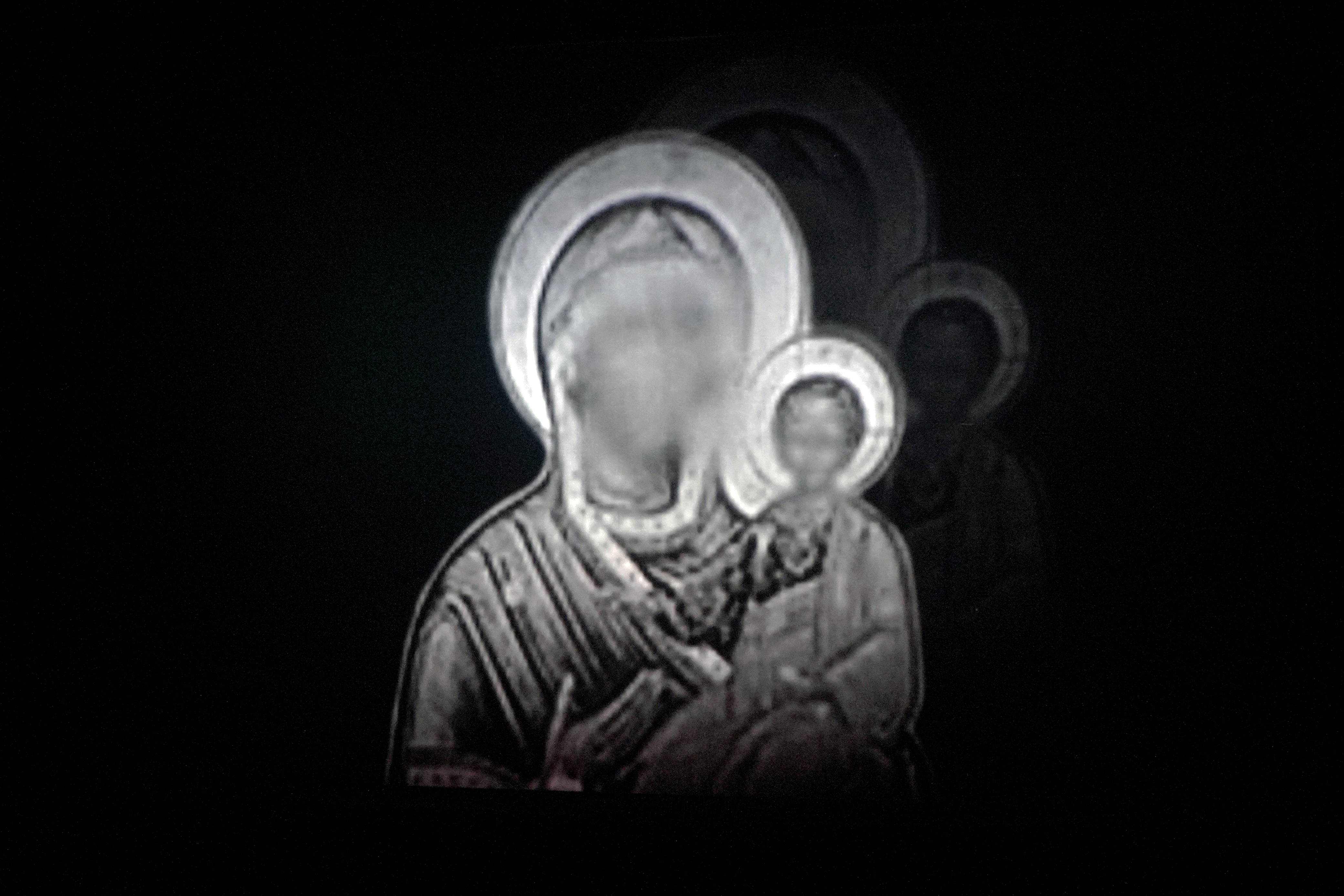
"Ghosts of Google" draws from the global street-view imagery covered by Google Street View. The work individually captures human figures that have accidentally entered the camera’s field of view—figures originally scattered in the background, almost like visual noise—and removes their backgrounds, allowing them to become the center of attention once again.
The work begins with the transformation between early photographic portraiture and contemporary machine vision. If early portraits, shaped by long exposure times, carried the weight of a subject’s presence, then today, within an image infrastructure composed of geolocation, platform databases, and AI recognition technologies, images are no longer merely media of gaze, memory, and representation. They have increasingly become technical components in the positioning, identification, classification, and management of the world.
Within the recording system of Google Street View, the camera has no intention of gazing at anyone; it simply continues to move through, collect, and update images of the Earth’s surface. In this system, people lose their identifiable faces while being precisely located within global coordinates, becoming information, noise, and afterimages. Through a mode of viewing that approximates portraiture, "Ghosts of Google" re-summons a gaze toward these anonymous figures and asks: when the human image is absorbed into a world picture that is browsable, locatable, and manageable, do these ghostly images reflect the existential condition of contemporary human beings?