· Carlos Barrera Reyes · Beatrice Consagra Bretton · Rachel Barber · Pascuala Vázquez Hernández · María Emiliana Hernández Pérez · Martha Julia Méndez Hernández · Ángela Pérez Gómez · Juana Victoria Hernández Gómez · María Patishtán Licanchitón · Fidencia Pérez Hernández · Cecilia Gómez Díaz · Angélica María Vázquez Pérez · María Luisa Mendoza Vázquez · Sebastiana Gómez Pérez · Rosa Pérez Meza · Victoria Villaseñor Oviedo · Flora Avendaño López · Odilón Merino Morales · Yatahli Rosas Sandoval · Elena Nicolás Hernández · Matilde Domínguez Confesor · Reyna Quiroz López · Omar Cesar Luna Bautista · Francisca Díaz Ortega · Nieves Martínez Bautista · Moisés Martínez Bautista ·
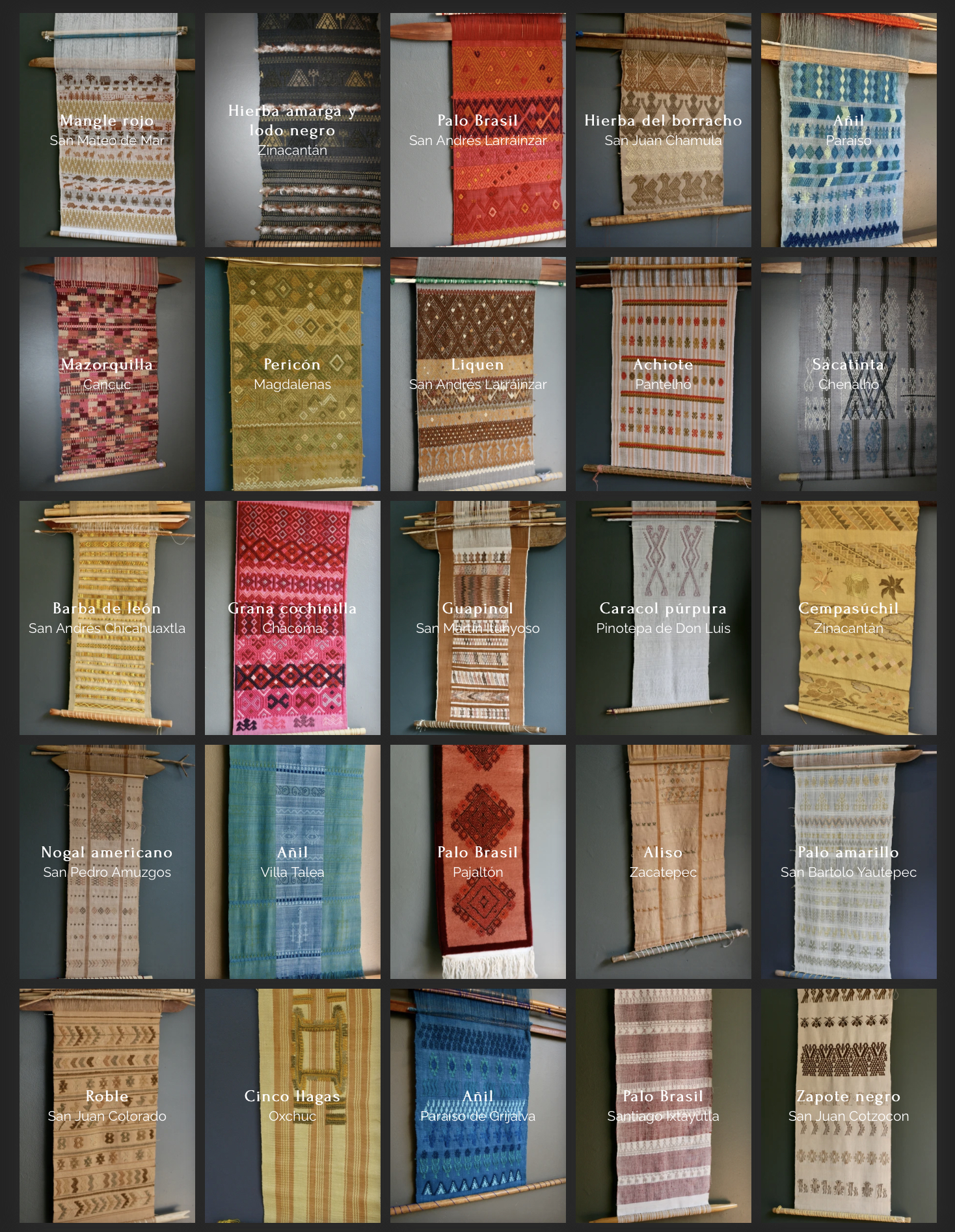
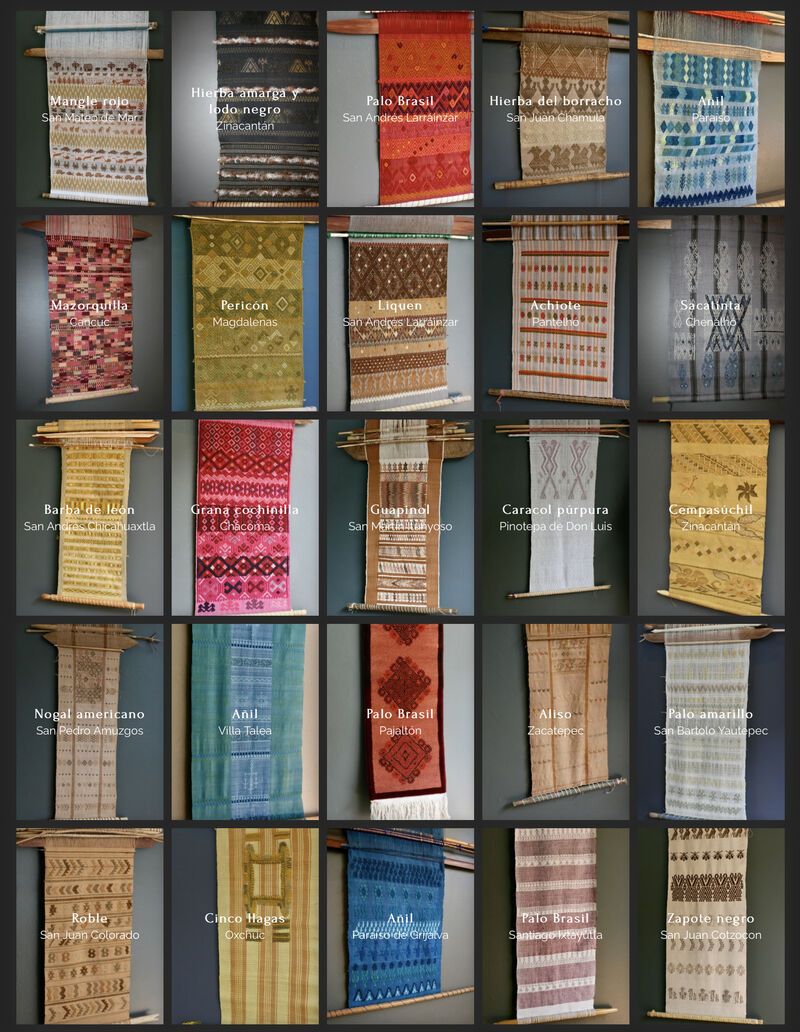
The installation is a visual and sensory celebration of the rich cultural heritage and diversity of the textile traditions of the indigenous communities of Chiapas and Oaxaca, created in collaboration with artist Carlos Barrera Reyes, who was responsible for dyeing the materials. Through 25 waist looms crafted by artisans from 25 communities, the installation explores the palette of natural dyes from the Mexican territory, ranging from plants to insects, and their application to various fibers such as coyuchi cotton, ixtle, linen, rabbit fur, feathers, silk, and different types of wool.
Each loom not only represents a natural dye and a community but also reflects the collaborative process and exchange of knowledge between visual artists, anthropologists, and local artisans. The vibrant colors and innovative dyeing techniques showcased in the looms are the culmination of over fifteen years of research and experimentation initiated by Barrera Reyes.
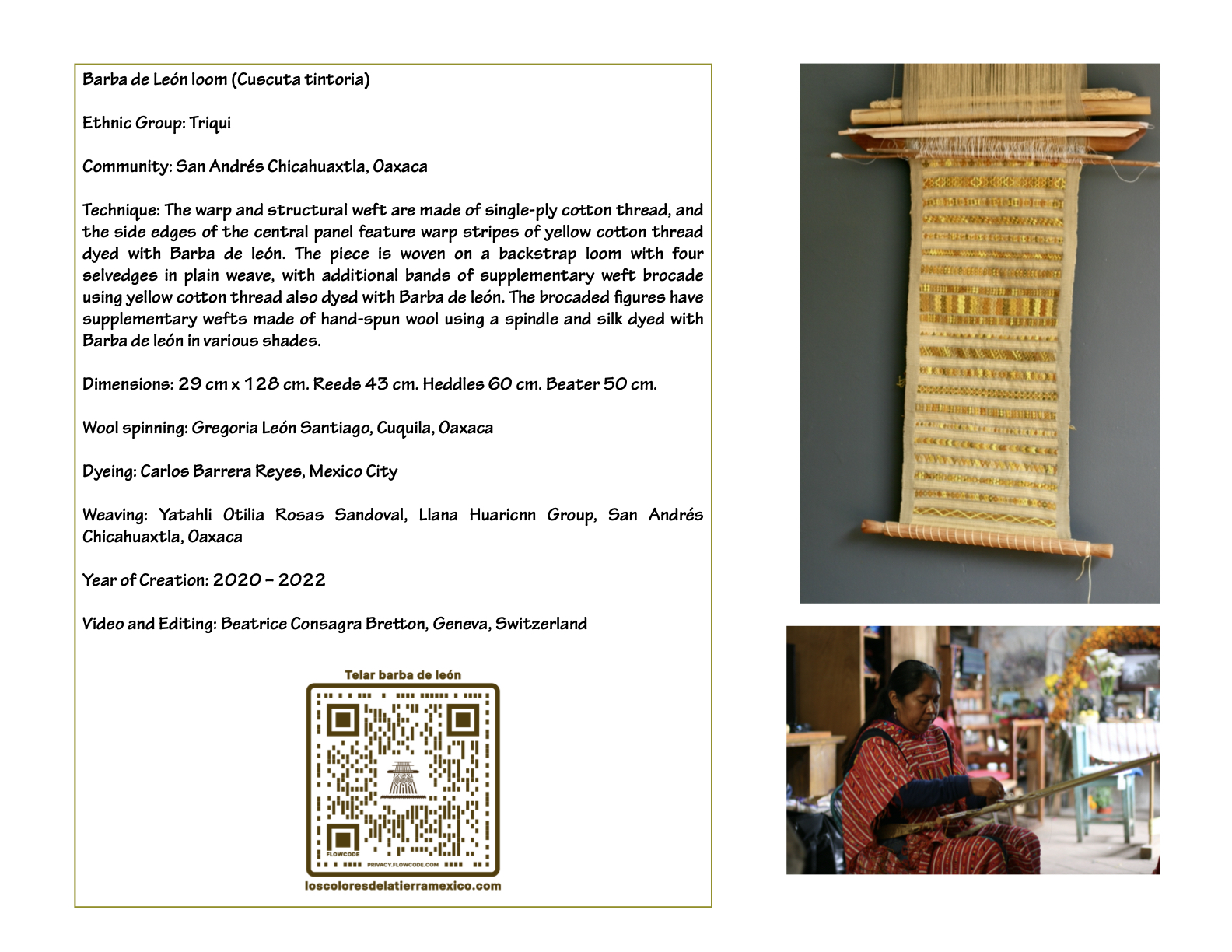
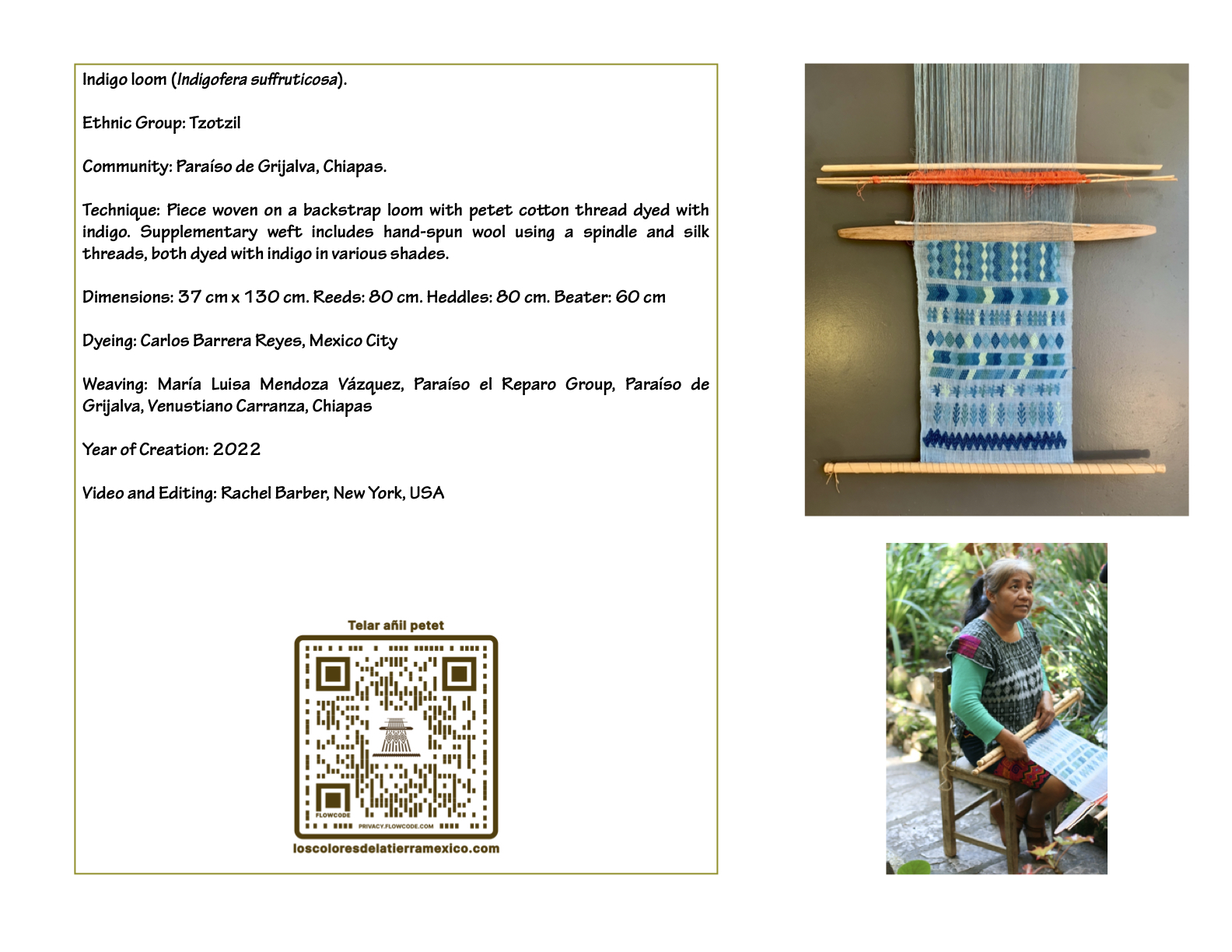
The installation highlights the aesthetic and technical diversity of Mexican textile traditions and underscores the value of collaborative work in the revitalization of traditional techniques. Additionally, each piece includes a video featuring the artisan responsible, documenting the dyeing process and explaining the iconography used in the textiles. These videos illustrate the techniques and materials employed and communicate the ancestral vision and sense of belonging of each community, enriching the understanding of textile art as a medium of cultural and social expression. Furthermore, this project promotes ecological awareness for the preservation of plant and animal species traditionally used to obtain dyes, emphasizing the need for sustainable and environmentally respectful practices.
The installation serves as a bridge between academia, art, and traditional practices, fostering an intercultural dialogue that honors ancestral traditions while exploring new possibilities in contemporary textile art. Through dyeing workshops and collaboration with the communities, the project has revitalized traditional techniques and expanded knowledge about natural dyes, creating a space where art becomes a vehicle for cultural identity and collective expression.