Full Video Link: https://youtu.be/N8xxsM6QHKcAn Unflowing Pixel is a three-channel video installation, arranged in a near-familiar everyday form.The screen, as a medium... Read More
Full Video Link: https://youtu.be/N8xxsM6QHKc
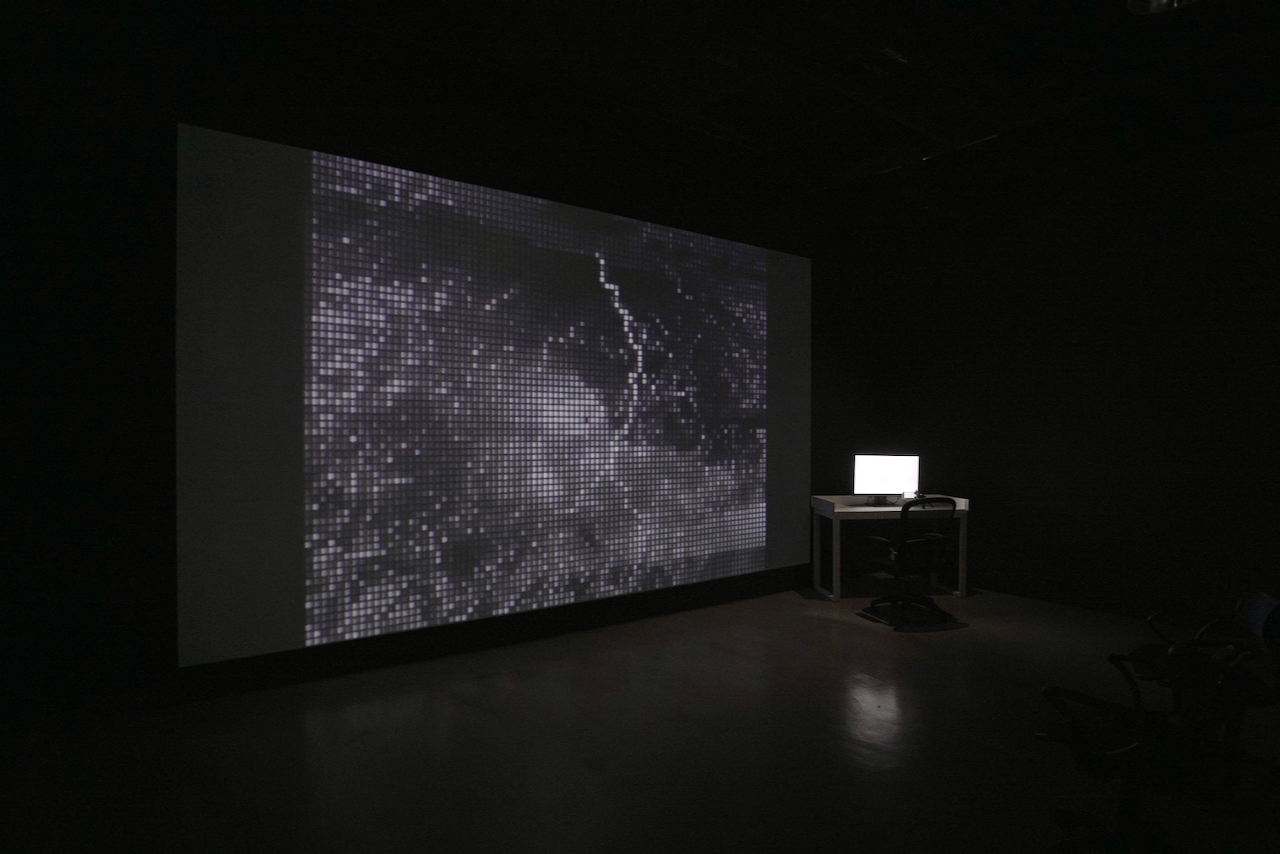
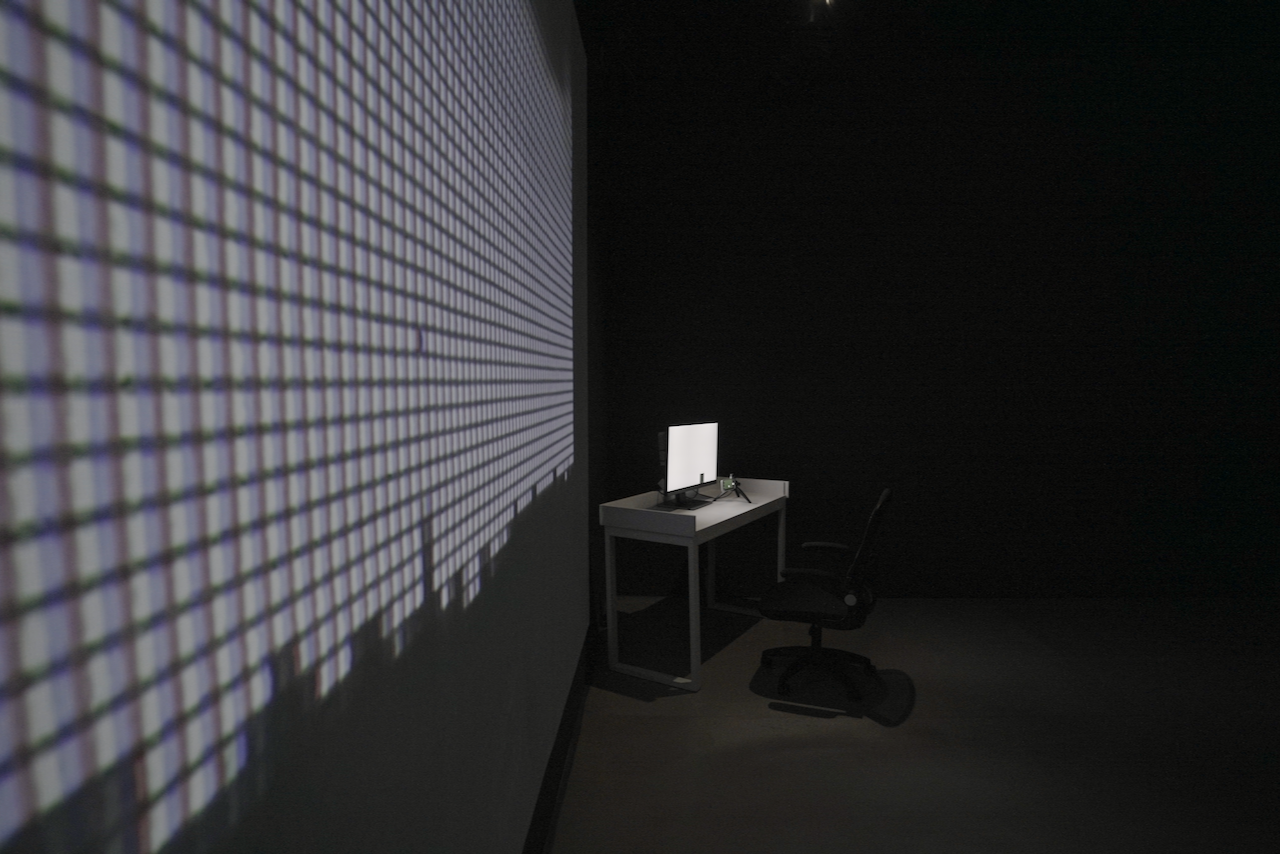
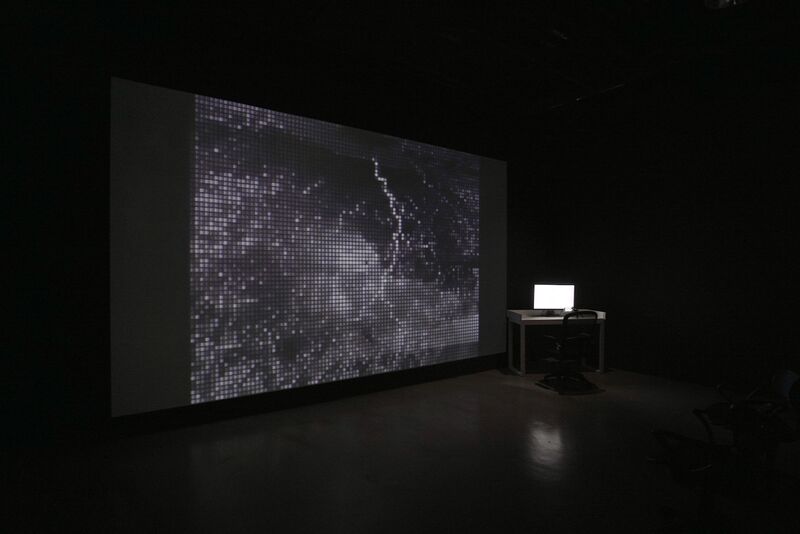
An Unflowing Pixel is a three-channel video installation, arranged in a near-familiar everyday form.
The screen, as a medium for displaying digital images, is also a machine of illusion—one that has long since become ubiquitous in our lives.
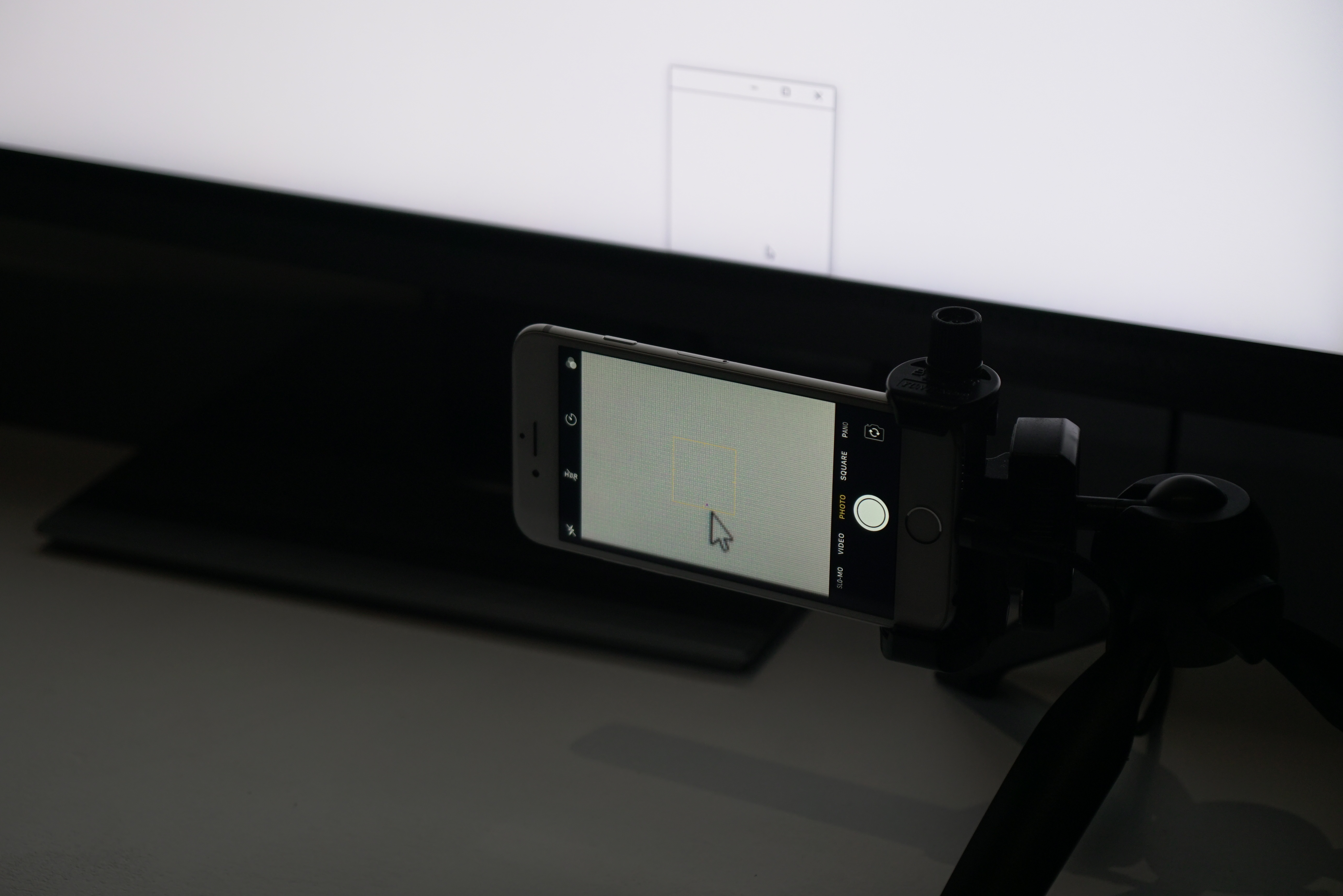
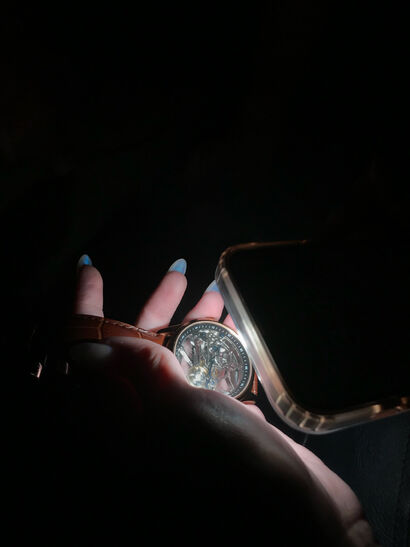
The inspiration for this work came from a moment when I suddenly noticed a single dead pixel on my computer screen — a tiny defect caused by technical error or wear and tear, appearing like a rupture in the illusion. Upon first discovering the dead pixel, I zoomed in with a smartphone to observe it, recording the process. The smartphone on the desk, in camera mode, continuously attempts to focus on the dead pixel on the screen, examining its presence through a process of focusing and defocusing.
The right monitor is the actual device with the dead pixel, its location indicated by the cursor. Here, color test patterns cycle beneath the dead pixel, causing shifts in its visibility as the background changes.
The left monitor presents a re-filmed version of Bert Haanstra’ s Panta Rhei(1951), referencing the ancient Greek philosophical concept that “everything flows”, and establishing a dialogue with media philosophies and image theories grounded in this idea. Haanstra’ s original film constructs a visual metaphor of constant flux through images of natural movement and montage. I presented the film on a screen with a dead pixel, positioning the defect at the center of the frame, and re-filmed the screen using a macro lens. This dead pixel stands out as an unflowing pixel—one that differs from all others.
Through this rupture, the work reflects on the operational mechanics behind the screen interface. It draws attention back to the surface of the medium itself, breaking the illusion of the digital image and inviting the viewer to consider: What is it that we are truly seeing when we look at a screen?