Like
the Wind is
an experiential record captured through photography, exploring the artist's
pursuit of freedom both as a subject and an object. The title carries a dual
meaning: it signifies both "hoping" and the literal "blowing
wind." From childhood, the artist has lived with the belief that they must
live righteously. However, questions about what it means to live correctly and
what lies beyond such a framework constantly haunted them. Over time, they
realized that true correctness is not about external actions but internal
struggles. Understanding that external behaviors are often bound by formalities
and conventions, the artist began questioning the essence of true righteousness
and what lies beyond breaking such molds.
Through
painful life experiences and regrets, the artist learned that genuine freedom
stems from inner liberation, marking the starting point of this project. The
project employs a format based on the artist's study of photo therapy, which
uses the truthfulness and documentary nature of photography as essential tools
for self-reflection. This research led the artist to confront uncomfortable
emotions and take time for introspection. Revisiting and reinterpreting past
events helped them identify the origins of these emotions, which were then
addressed through this photographic endeavor. In this project, the artist
serves as both the photographer and the subject, indicating a process that
includes creating and contemplating the images. Moreover, the use of cyanotype, a
classic printing technique, adds significant meaning to this work. Since its
invention in 1842, various photographic printing methods have emerged, though
many have faded with industrial progress and convenience. Cyanotype, still used
by a few dedicated artists, represents a cherished legacy of photographic
artistry. In Korea, few artists continue using these classic methods, yet they
hold irreplaceable value and artistry that must be preserved. This is why the
artist chooses to create each piece by hand in the digital age.
Like
the Wind
symbolizes the act of unraveling and correcting the layers of memories
accumulated over time. This process seeks to recognize the value of past
experiences and the artist's current self. To achieve this, the artist
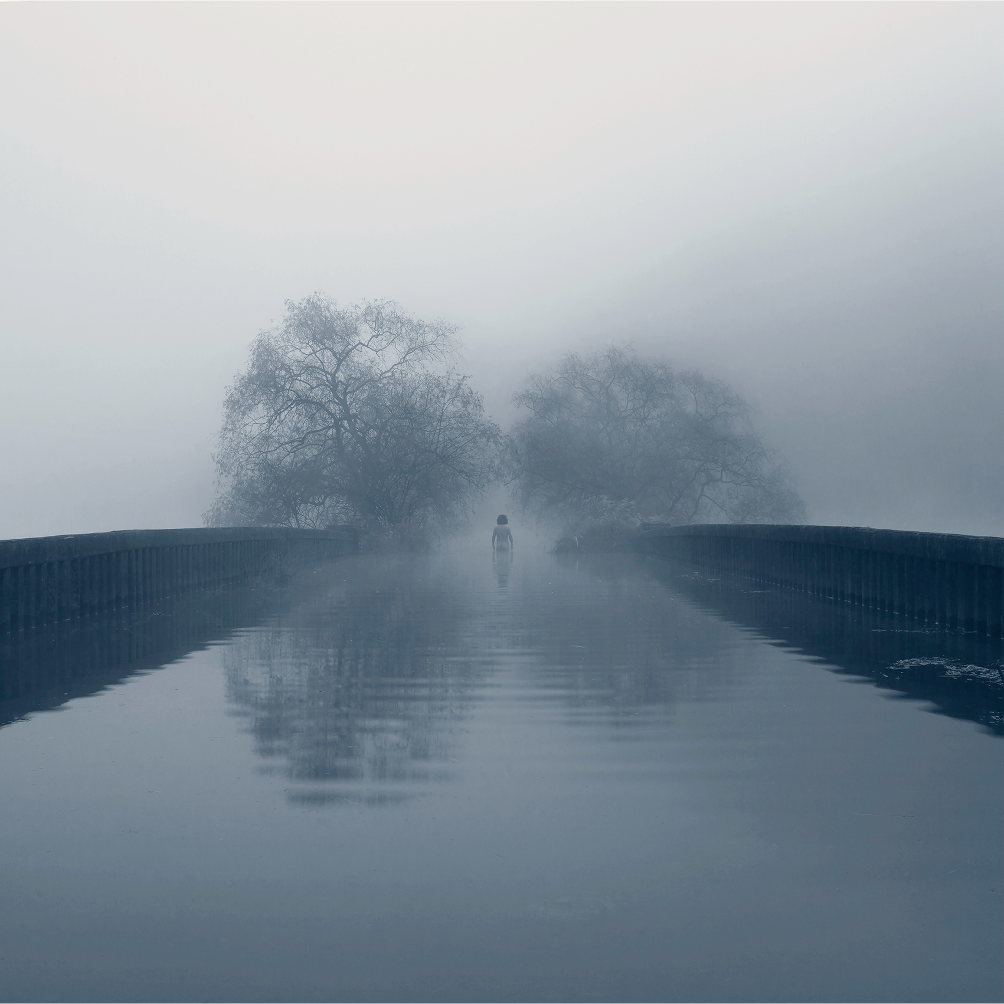
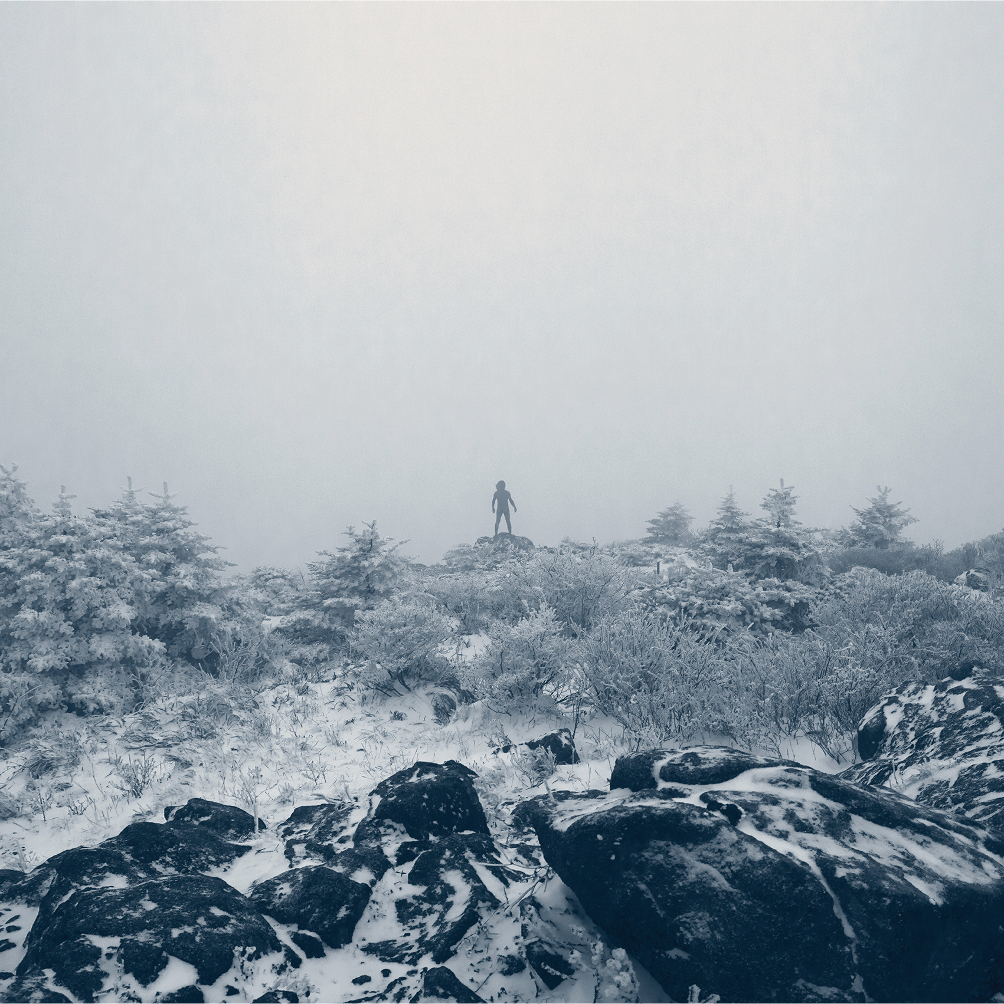
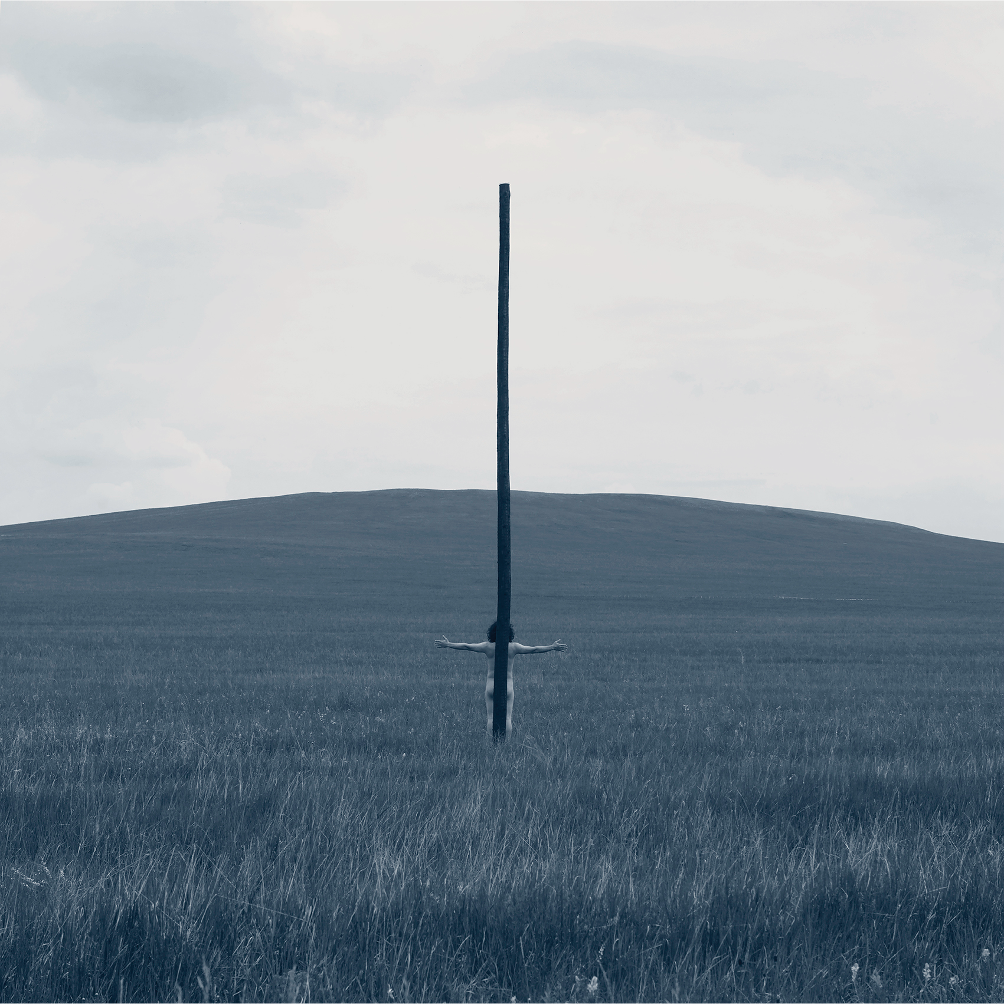
connected with nature—mountains, fields, forests, and water—and waited for
rain, snow, and fog. Stripping off clothes, they aimed to return to a state of
freedom akin to humanity before the concept of shame, which clothes were
initially designed to hide. By discarding both physical and emotional barriers,
the artist continuously questions their own freedom.