
Fotograffiate, (the first series of an ongoing work including the set Cancellate), is a work in progress started in 2018... Read More
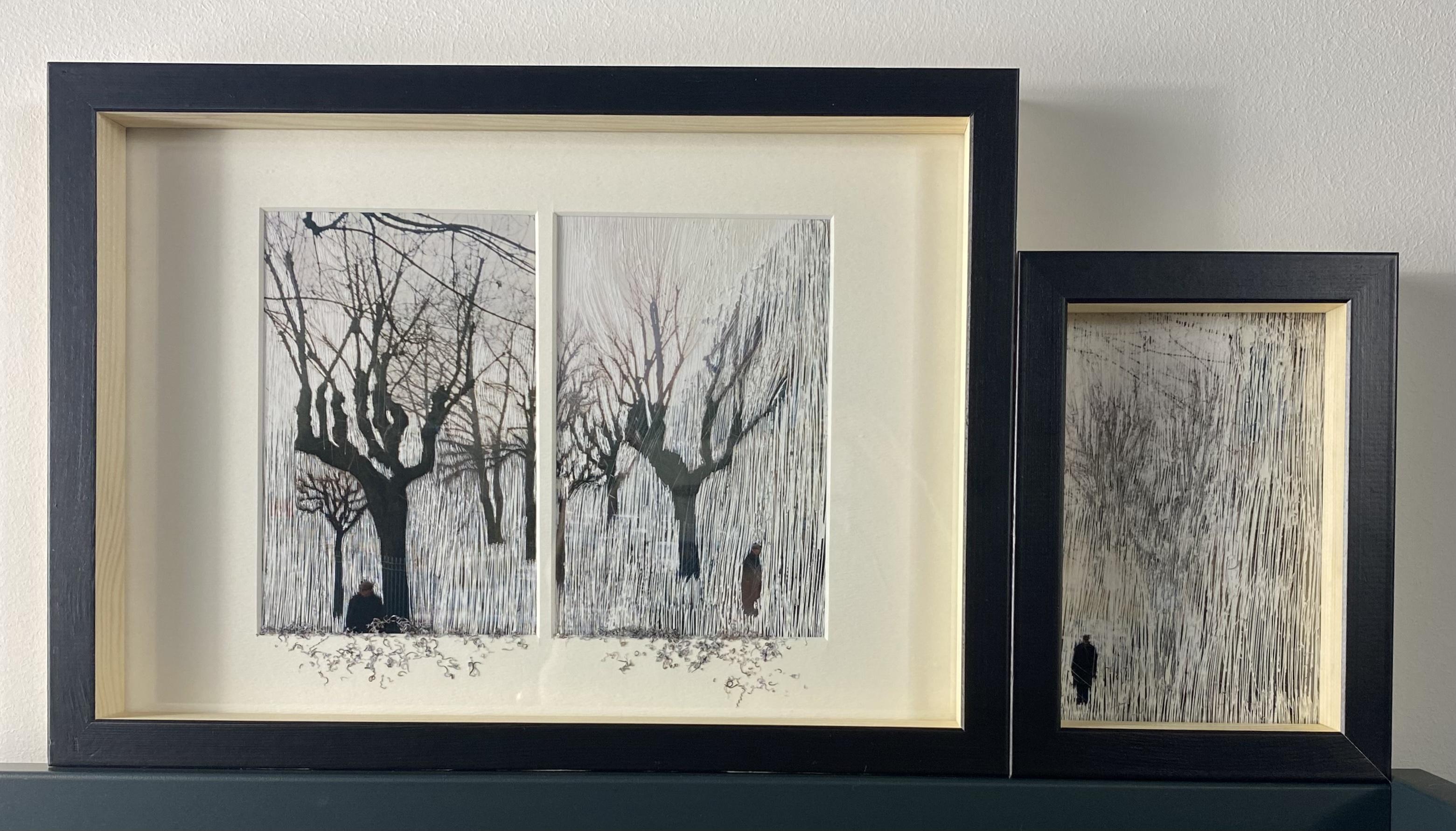
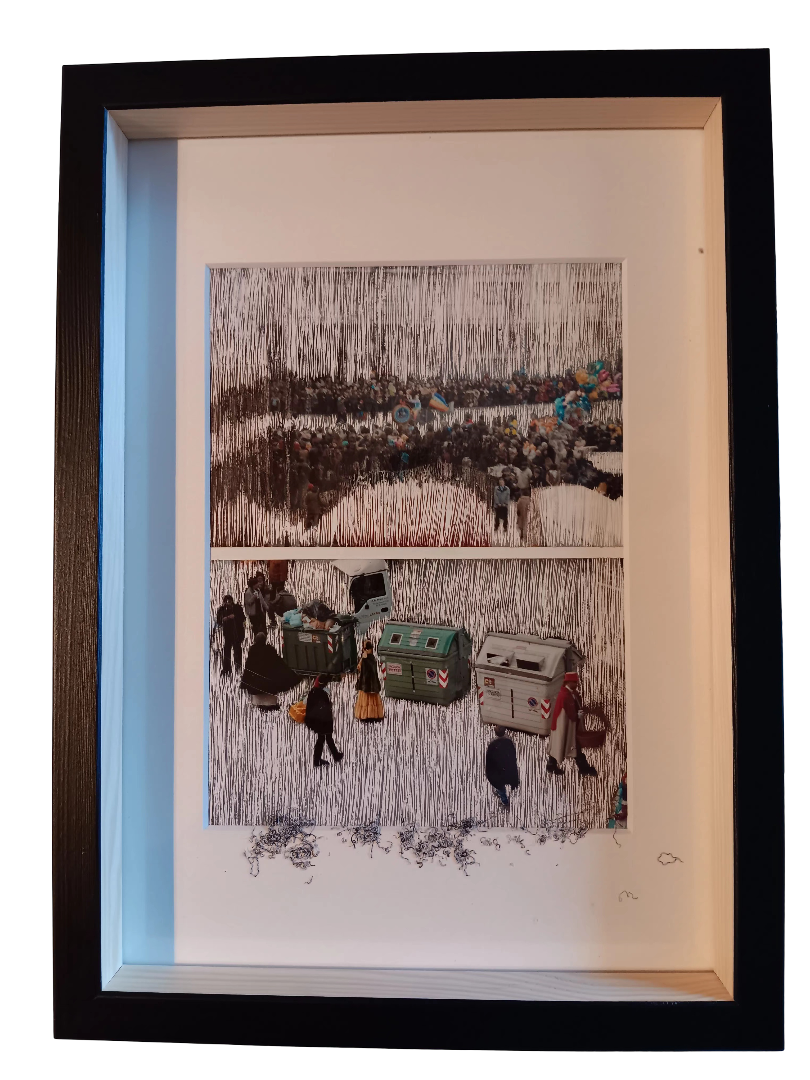
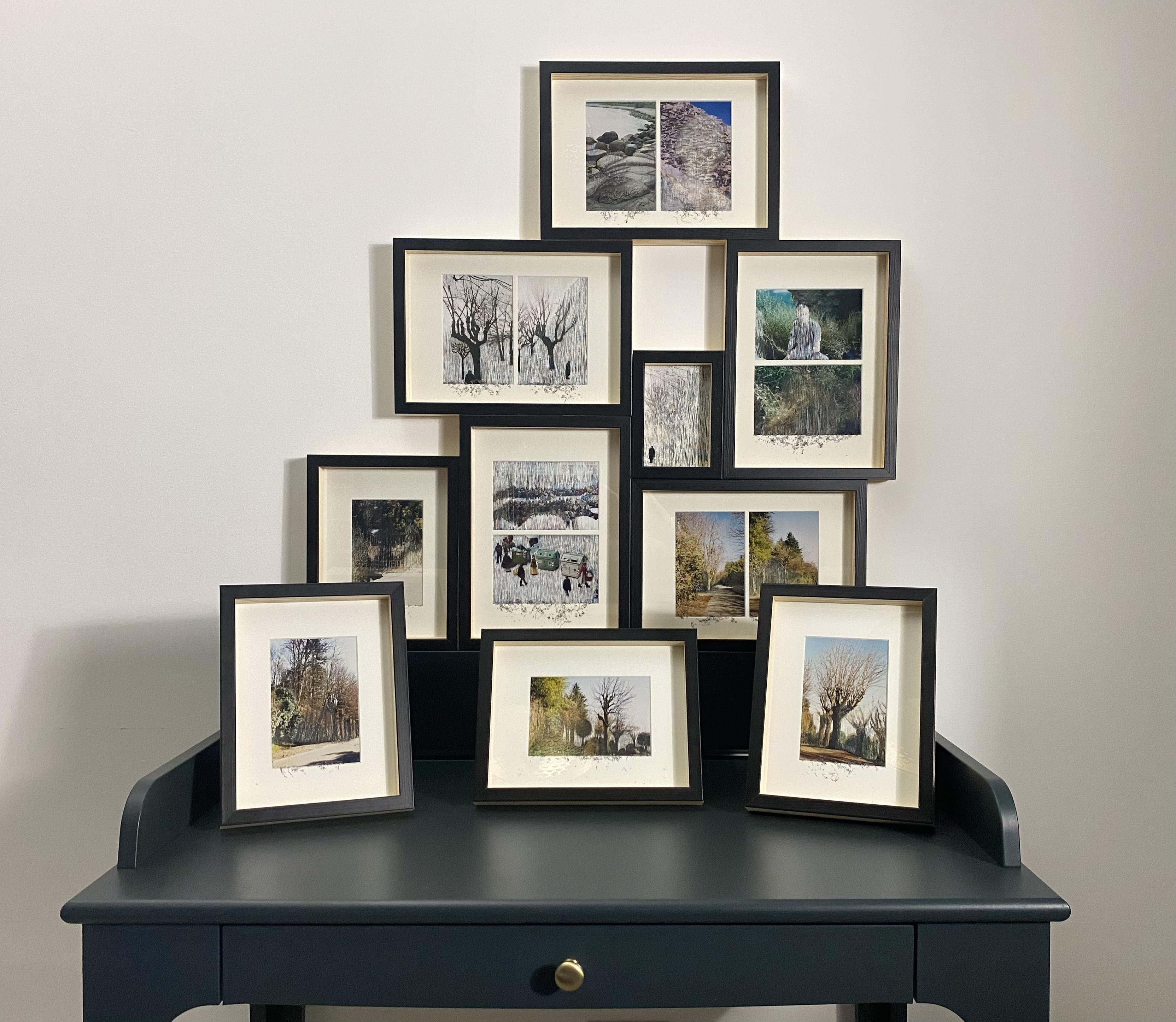
Fotograffiate, (the first series of an ongoing work including the set Cancellate), is a work in progress started in 2018 inside the context of another work, called Corrispondenze. The project reflects on the memory process that creates new meaning in relation to the nature and to the transformation of the landscape, considering also its political, social and historical implications. The work begins with an intimate approach, focusing on individual memory that immediately expands to a community perspective. In fact, it’s easy to find this correspondence starting with the choice of the pictures, photos taken at different periods of life, and with the kind of setting made up with table frames, in a common domestic and very familiar arrangement. In this sense the project focuses itself on the inner paradox of memory that can be seen at the same time as a limitation and as a chance, also taking into account the resulting alchemical process that often takes to a new awareness. The entire reflection matches with an artistic practice made up with scratches engraved on the photos surface: real abrasions that destroy part of the composition in order to rebuild it in some cases. Sometimes these scratches remove natural elements from the landscape, for the purpose of creating a warning, a suggestion, a feeling of nostalgia caused by the loss; other times the removal concerns barriers and people perceived as intruders: in this case nature on the background is reconstructed and looks like camouflaged thanks to the use of a restoration technique called Rigatino (tight lines takes the place of the original visual elements building new ones). In both the previously quoted cases, a plastic dust is kept in sight the frame, as the remains of the engraving. Talking about barriers, the project takes on new meanings that develops in the set Cancellate . It’s just in this last one that the act of scratching away gates and fences, that materially limited the places to a private use, allows us to remove at the same time our personal borders to welcome the gaze and the memory of the others in a common and suspended time.