This stage work started with a question: What kind of condition does it establish an original as the original? What and where is the significance of the boundary which separates the duplicate from its original? Also, How does the boundary shape along with a time base? Or even, does the original ever exist? And it was specified a point where to explore: the boundary of copy and original as a dance/performance piece.
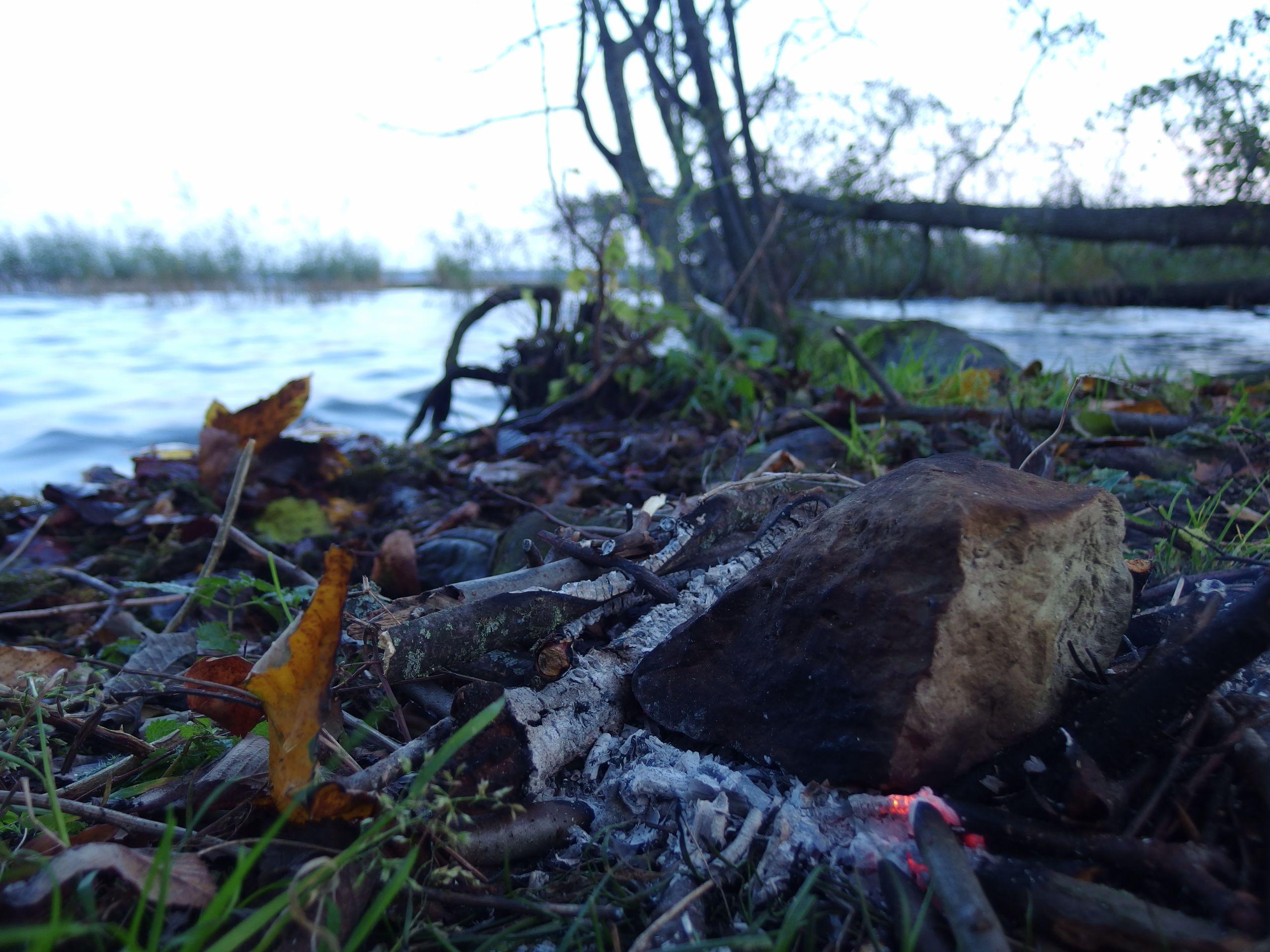
In the stage space, a dancer faces a stone, creating a non-virtual dialogue based on physical body movements using fire and water. The aim is to seek the potential of engaging in mutual communication amongst living and non-living things and how much capability of assembling the relationship within copy and original context has. In other words, exploring the way to shape a form of things that have no shape, such as thoughts and feelings. These internal movements, it might be a result of copying function, are created not only in someone at the scene, but also in the mind of observers. If these invisible shapes can be recognized, we will gain the possibility of a way to have empathy for all matters.
For the creation of physical movement, this stage work regards the relationship between copy and original as a change in the state of matter through such as "condensation" "melting" "evaporation" "solidification", and apply it to the triangle of body, movement and emotion. This process may reveal what kind of correlation will the body, movement and emotion contextualize, and what type of physical and mental movement will it create through the dialogue between the dancer and the stone.
The presentation is also developed along with a story based on the dancer's personal experience at a friend's funeral: being asked to eat a piece of bones and ashes of the deceased friend at a crematorium. The stone which the dancer converses with is a figurative shape of the friend's bone.