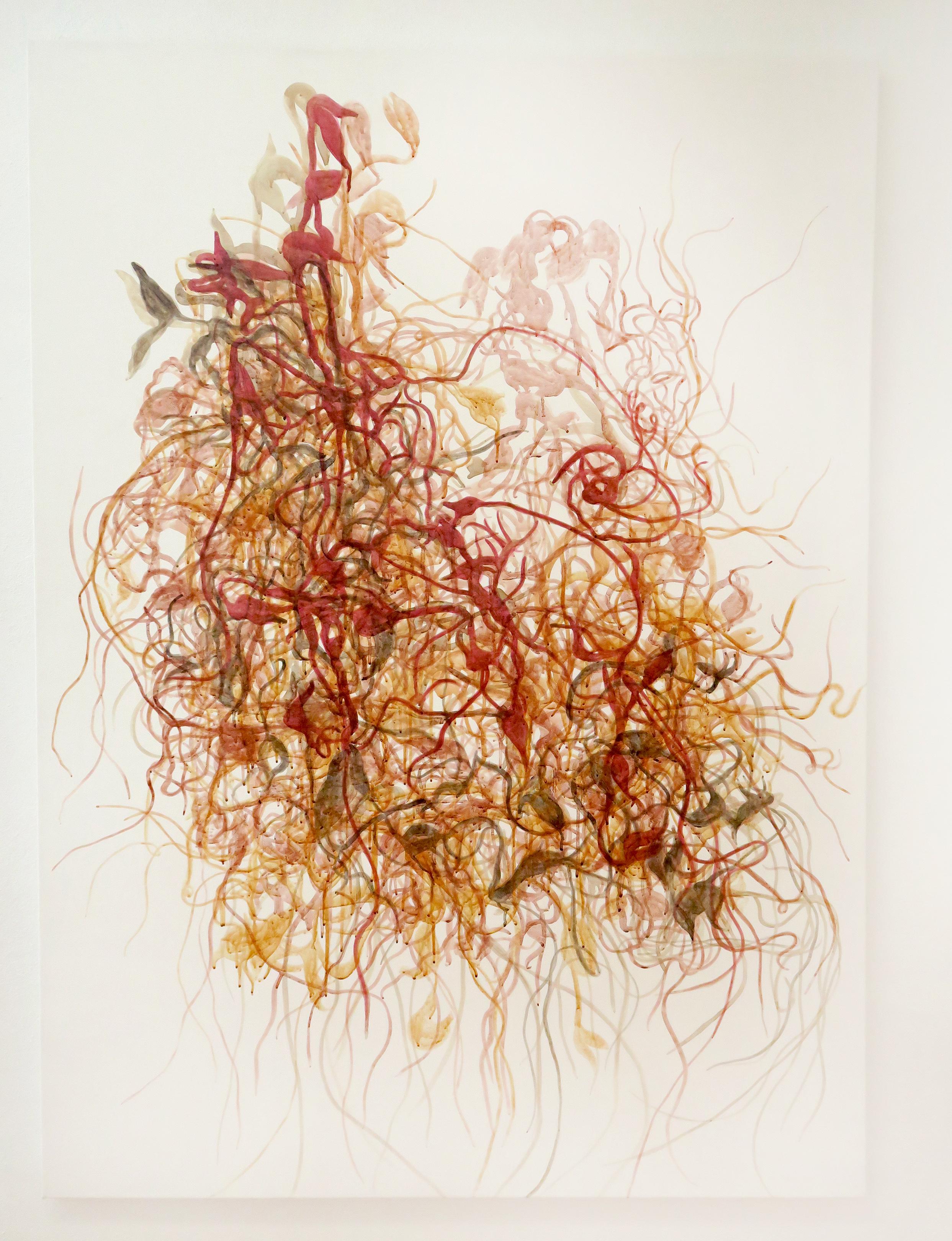
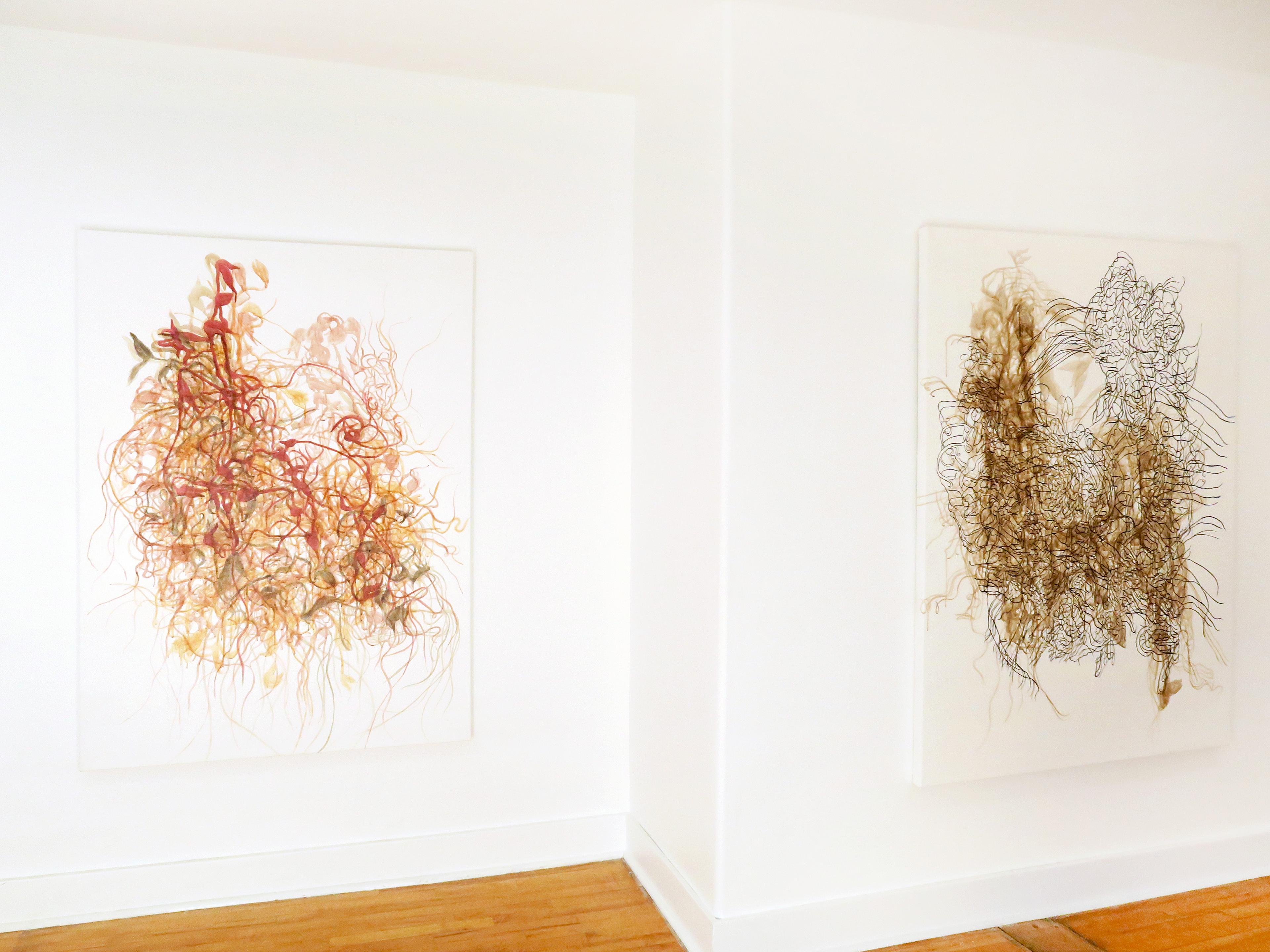
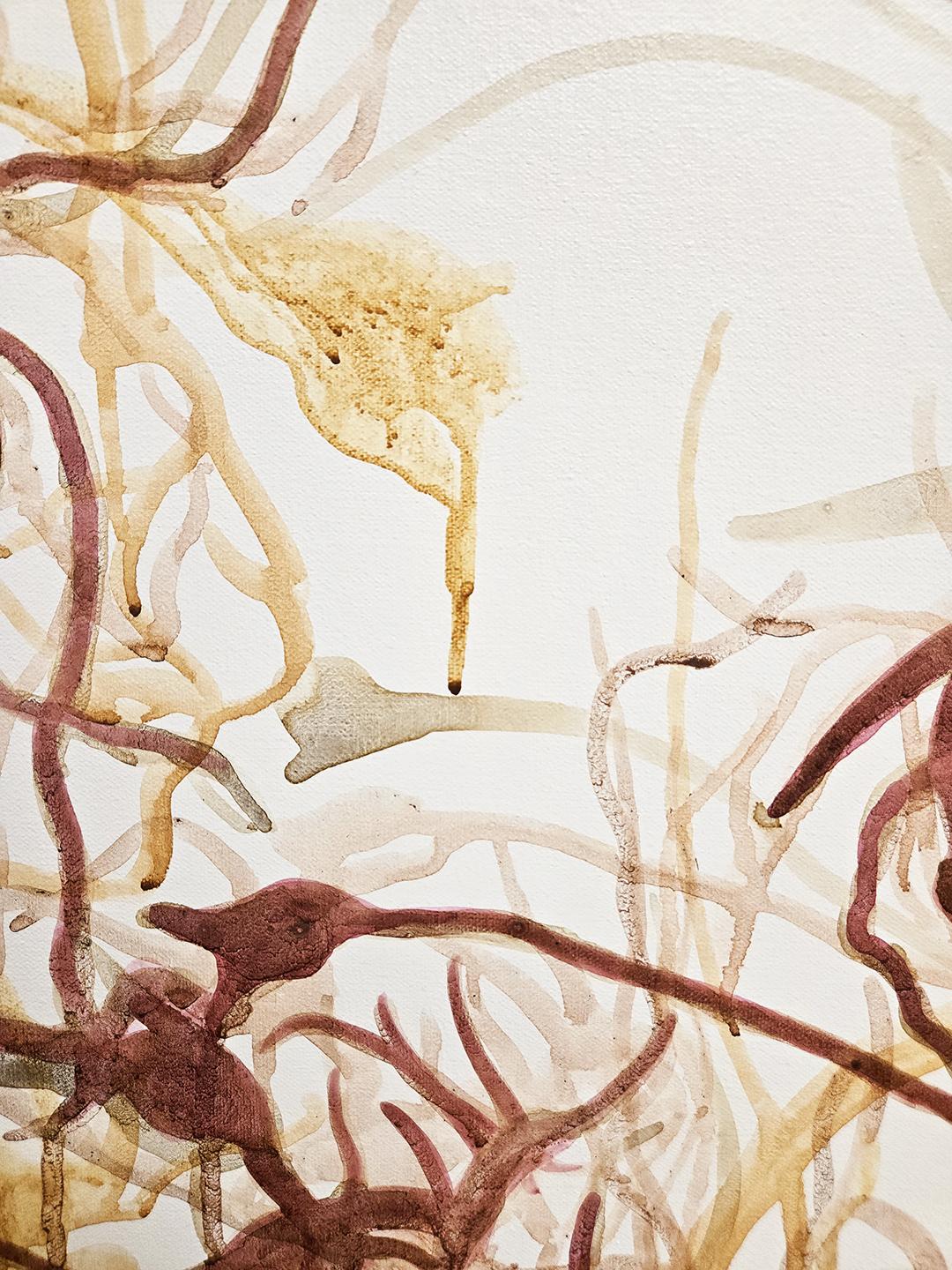
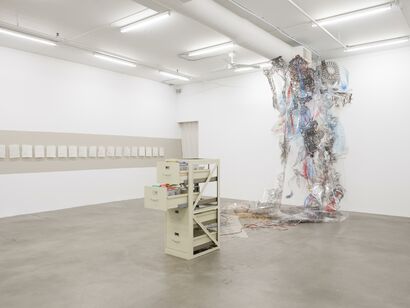
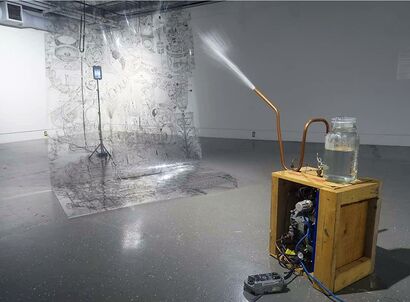
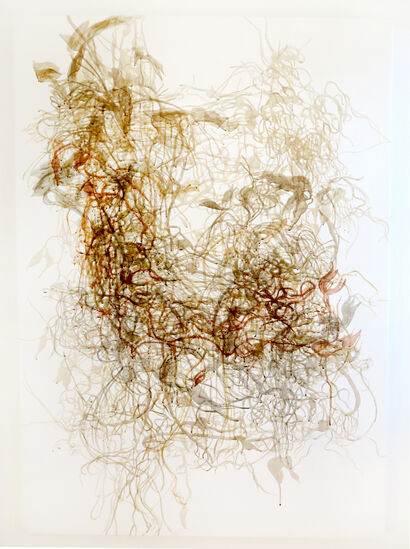
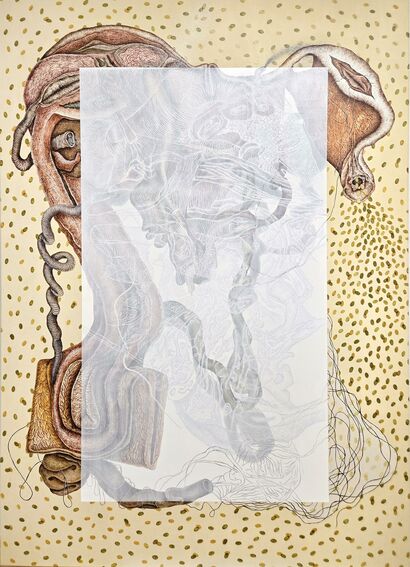
My philosophy revolves around the affordances of forms: politics manifest through forms, and forms inherently carry politics. This project challenges the definition of monuments, questioning what it means to be monumental, to become a monument, and to remain one.The project explores the relationships between memory, forms of monuments, gestures, and the body. Under oppressive regimes, the bodies and gestures of protesting citizens often become monuments of their generation. Yet, these bodies, gestures, and representations are punished and erased to obliterate their memory. I study iconoclasm as a double-sided technique—not merely opposing images but rethinking them. Both oppressive regimes and protestors use iconoclasm: regimes erase bodies and histories, while protestors deface propaganda and disrupt authoritarian narratives. Historically, iconoclasts replaced images with words; in my work, the word itself is reimagined as a hard-to-achieve figure.This project, titled Cartography of a Typography, builds on a 2023 exhibition at Vancouver's Artspeak gallery inspired by the Women-Life-Freedom movement. In this work, I grew black-eyed bean sprouts shaped into the Farsi word "Us" (ما). As living organisms, the sprouts shifted daily, and I traced their changing shadows onto paper and canvas, creating a visual archive of memory through this evolving word. This process reflected the mythical origin of painting—tracing shadows—and became a tool for remembering.In the absence of homeland, shared language, and unity amidst the increasing boldness of otherness, I connect to my present sociopolitical context through the concept of "Us." The word serves as both a monument and a memory of my generation, gestural and material, readable to some but coded for others. I envision this word as a miniature landscape that embodies a larger metaphorical landscape. This project seeks to preserve and transform memory into a living, evolving monument.