BIOInna Etuvgi is a self-taught Swedish-Chukchi art photographer based in Sweden. Specializing in macro photography, her work captures the intricate structures of mosses, lichens, and dewdrops—natural elements often overlooked, yet vital to the health of ecosystems. Born in 1982 in...
Read MoreBIO
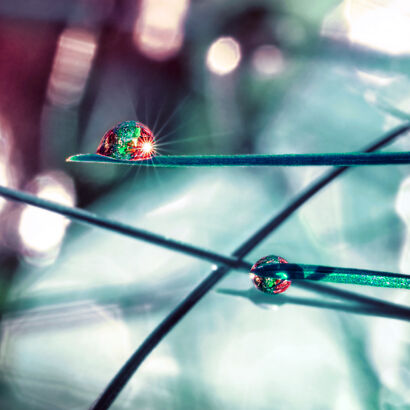
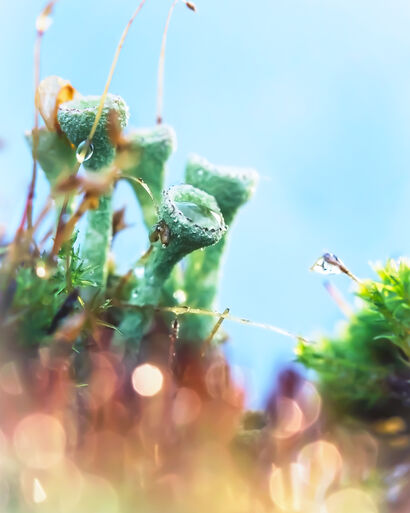
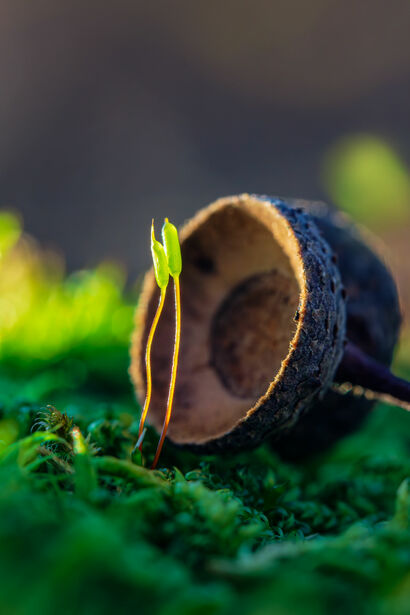
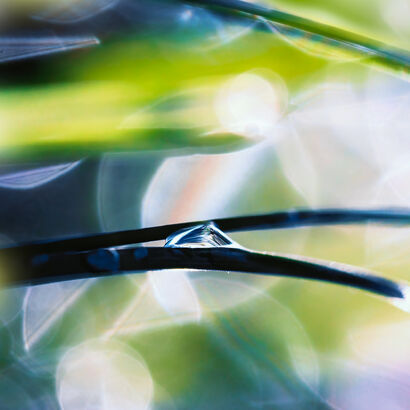
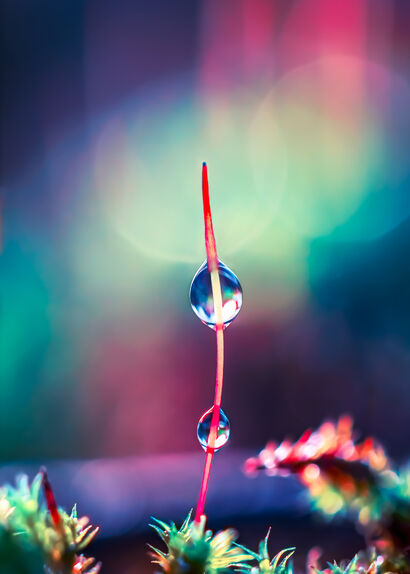
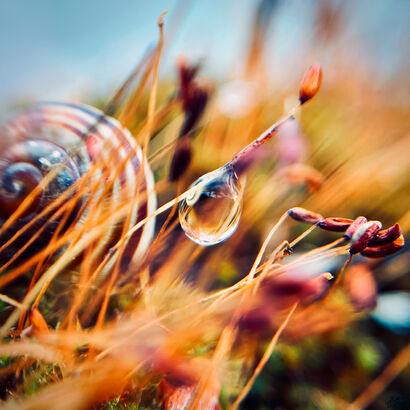
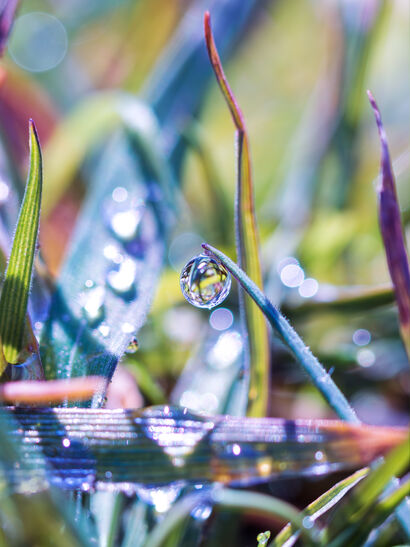
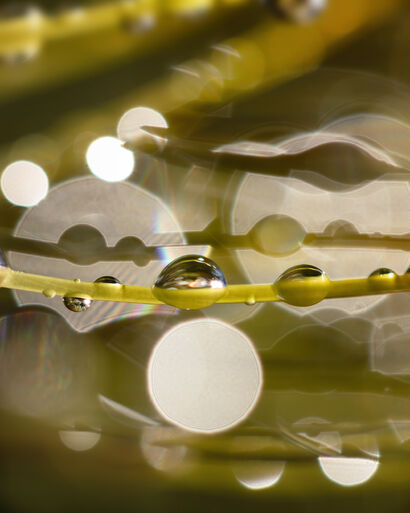
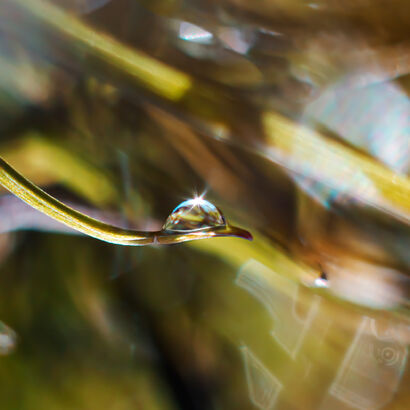
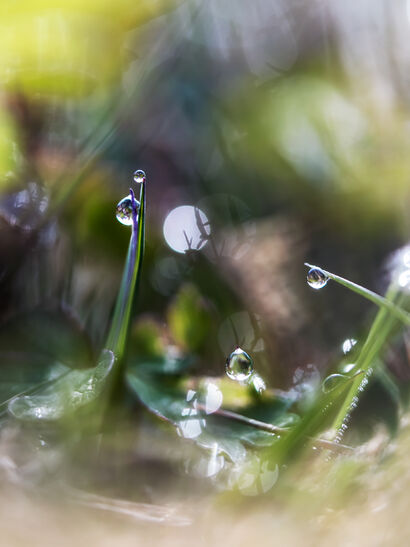
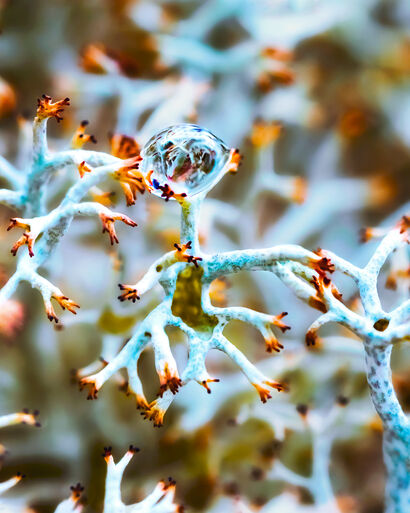
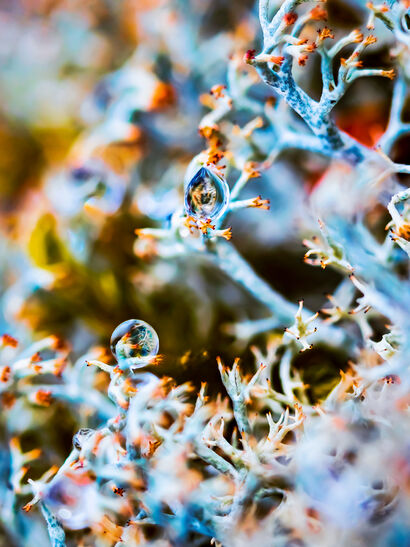
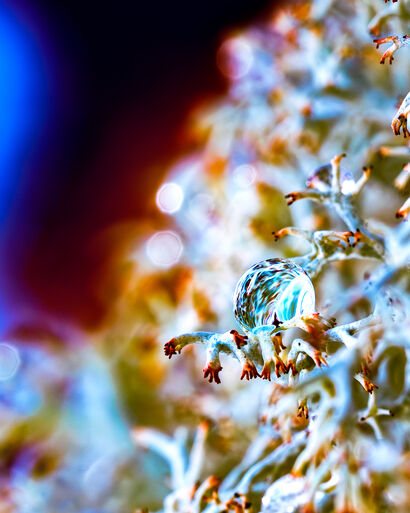
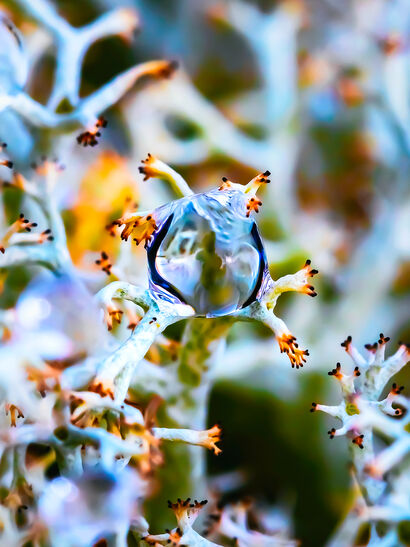
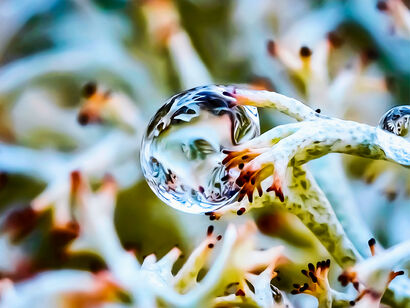
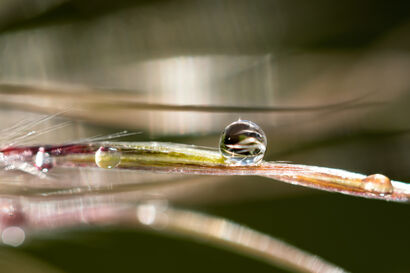
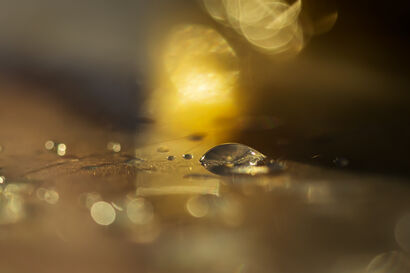
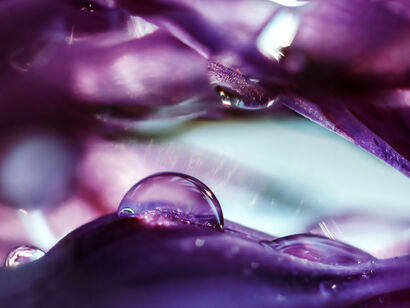
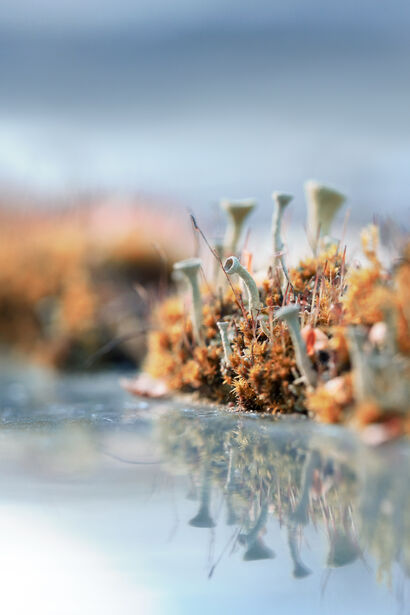
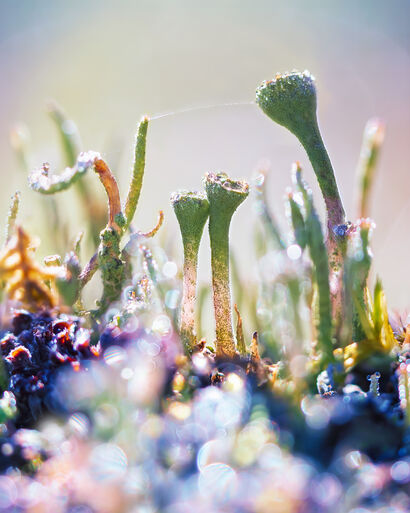
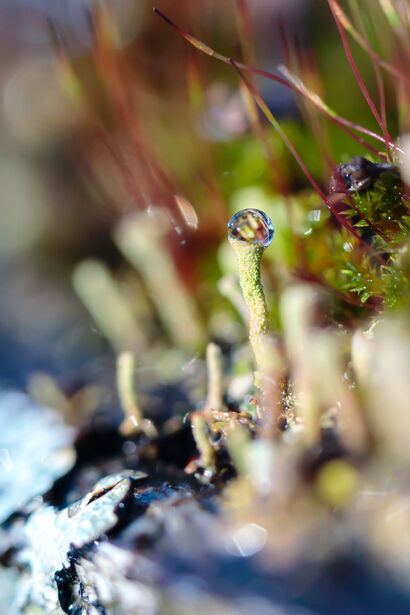
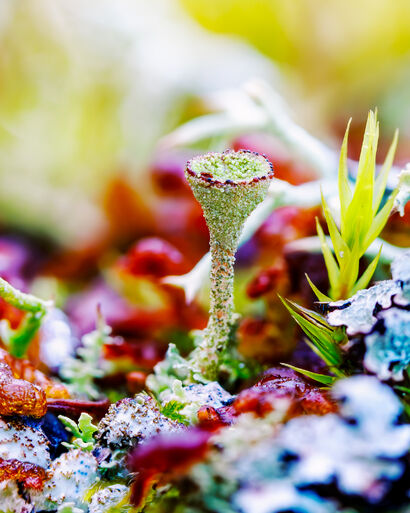
Inna Etuvgi is a self-taught Swedish-Chukchi art photographer based in Sweden. Specializing in macro photography, her work captures the intricate structures of mosses, lichens, and dewdrops—natural elements often overlooked, yet vital to the health of ecosystems.
Born in 1982 in a remote Arctic village in Chukotka, Russia, Etuvgi was raised in a landscape where attentiveness to nature was a matter of survival. This early experience deeply shaped her artistic sensitivity.
She holds a Master’s degree in Technical Cybernetics from St. Petersburg Polytechnic University (2005). Her background in science and technology informs her precise, detail-oriented visual language.
After relocating to Sweden in 2018, Etuvgi began exploring macro photography in 2020 as a means of connection and self-expression. Living with Aphantasia—the inability to form mental images—she developed a visual practice grounded in a quiet dialogue with nature, using photography to access and externalize inner experiences.
Her work has been exhibited internationally, including as a finalist in the Arte Laguna Prize 16 (2022, Venice). In 2023, she received a grant from the Swedish Arts Grants Committee for her contributions to contemporary art photography.
_____
ONCE UPON NOW
Project Statement by Inna Etuvgi
This series explores a new anthropology of the self. What are we becoming right now? “Human is a social being!” — but what kind of social being am I, if it feels more natural to engage with algorithms than with people, and if most of my human connections exist online?
I live almost secluded in northern nature, rarely seeing anyone beyond my family — and I feel at peace. Human interaction often triggers social anxiety, something I’ve had to treat clinically. I don’t belong to human-centered communities; instead, I exist in quiet symbiosis with nature and the algorithm.
Living with aphantasia — the inability to form mental images — I’ve found ways to visualise my inner emotions and ideas through the camera. With Chukchi roots and a trained sensitivity to nature’s smallest signs, it felt natural to discover metaphors of the self in mosses, dew, and lichens — as if in silent dialogue with nature.
But when I want to express something through the human figure — to bring it closer to the viewer — I turn to generative imagery. It feels far more comfortable than working with staged photography involving real people. It’s not merely a workaround for my anxiety, but a conscious and deliberate creative choice. Thus, the camera and the AI became prosthetic tools for my visual imagination.
The portraits in Once Upon Now are autobiographical sketches. They reflect fragmented identity, multifaceted ego, and a shifting sense of self in a world reshaped by technology. What is consciousness, if a language model can evoke trust — or even friendship? Artificial–intelligence (I write it with a dash) is not quite conscious, but more than a tool. And I keep wondering: who are we now — rooted in ancient archetypes shaped by nature, yet already strangers in the forest, and often to one another? And what will we carry with us into the future?