Igor Grigoletto was born in Sanremo in 1972. After graduating from the Imperia Art Institute in the pictorial decoration department, he decided to continue his studies at the Albertina Academy in Turin, in the painting department.
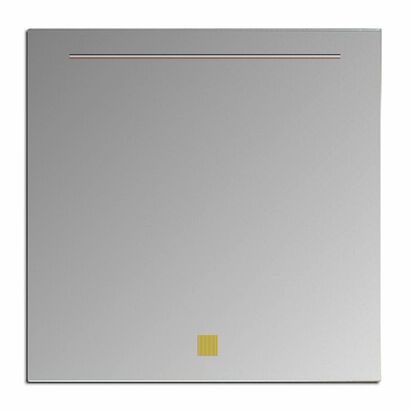
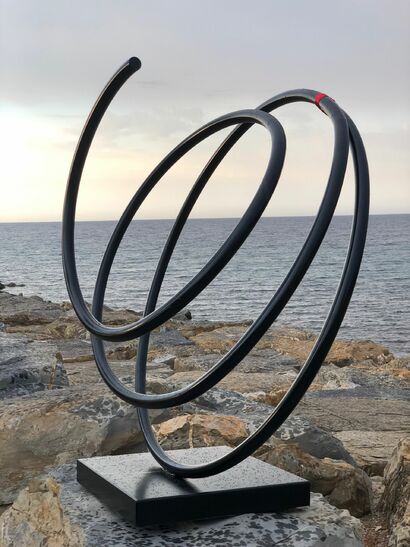
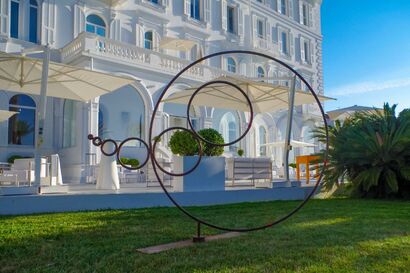
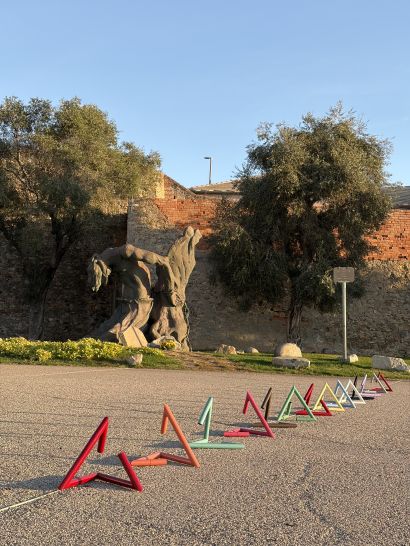
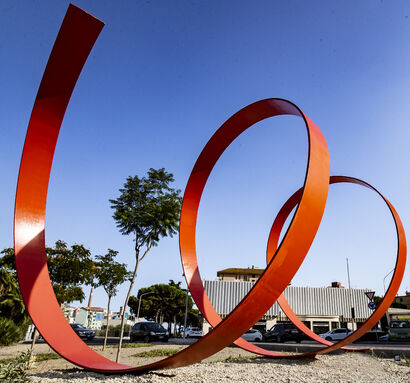
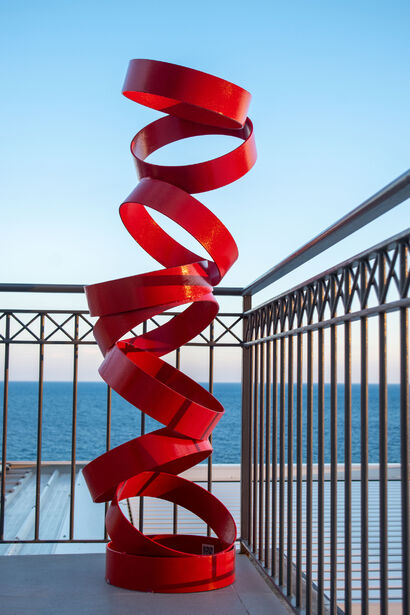
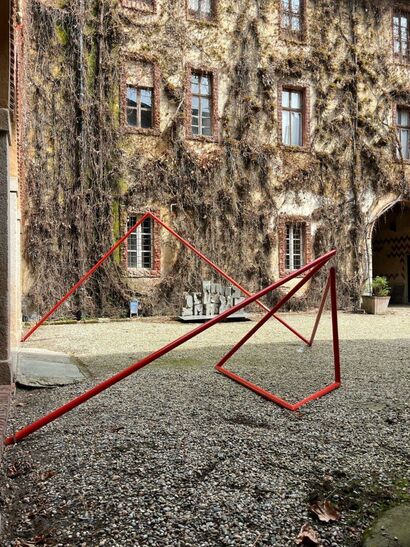
He works on various media such as jute sacks, fiscoli (used in Liguria for the production of olive oil), metal nets, and metal sculptures, always with a particular focus on the material he feels mostconnected to: glass. A constant in his artistic career is his connection to his homeland: Liguria.
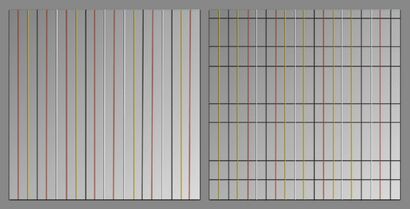
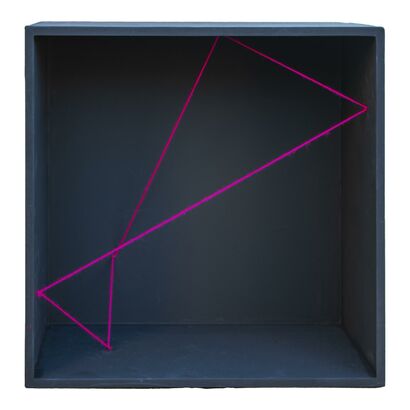
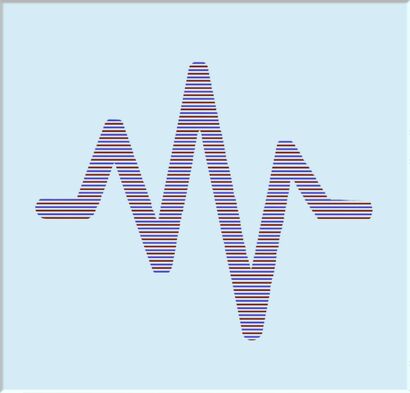
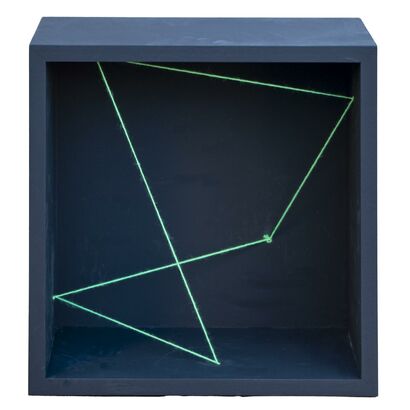
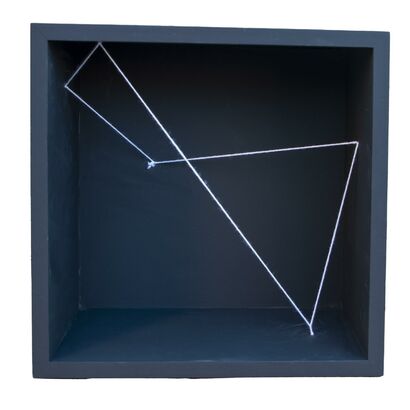
His works are the result of research into both style and content. Design flexibility is understood asexpressive research in which each element of the composition is conceived, visualized first in hisimagination and then methodically transcribed onto the surface. “Every mark is an experience oflife”: in Igor Grigoletto's works, the geometric element “breaks” the monochrome surface toexpress, through dynamism, a strong but at the same time unexhibited, controlled, and measuredemotion within a space that is that of the deepest feeling, common to each of us.
“Perfectly smooth surfaces, characterized by the application of a single color on whichchromatically contrasting lines are traced: a compositional structure that could succinctly describeover a hundred years of contemporary art history” (Claudia Andreotta - art historian).
“The artist's poetic alphabet is, to all intents and purposes, a work of art, a semantic languagecapable of attracting, intriguing, and surprising. The word, concealed by signs that can be inscribedin an organic and progressive system, thus acts as a mediator between the artist and the public, as a connective system for implementing a personal search for syntax and meaning.” (Alessia Pietropinto – art historian).
Claudia Andreotta (art historian), Alessia Pietropinto (art historian), Matteo Galbiati (art critic and curator), Velia Littera (gallery owner), Vincenzo Marsiglia (artist), and Stella Maresca Riccardi(journalist) have written about Igor Grigoletto.